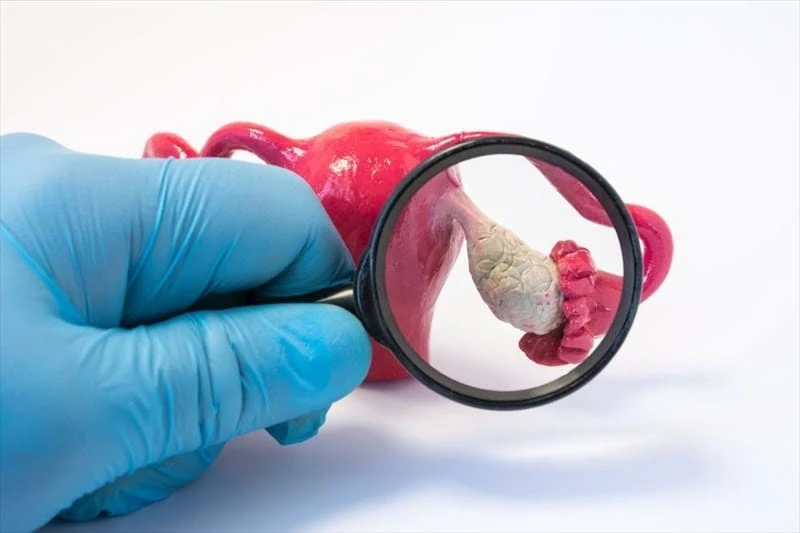

What is Polycystic Ovary Syndrome?
Polycystic ovary syndrome (PCOS) is a common hormonal condition that can affect women during their childbearing years. The two main features of PCOS are higher-than-normal levels of certain male hormones called androgens and irregular or extended menstrual periods. Other common signs and symptoms may include excess body and facial hair growth, acne, difficulty getting pregnant, and irregular ovulation or periods.
Lifestyle Changes and Treatment Options
Lifestyle modifications are usually the first-line treatment for managing the symptoms of PCOS. Losing even a small amount of weight through diet and exercise can help restore normal ovulation and period cycles. Here are some of the main treatment options available:
Diet and Exercise
Adopting a healthy, balanced diet and exercise routine is critical for managing PCOS. Following a lower carb, Mediterranean-style diet high in lean proteins and fiber is recommended. This has been shown to help reduce insulin resistance, androgen levels and weight. Getting regular exercise, even moderate activity for 150 minutes a week, is also beneficial for weight loss, reducing inflammation and improving insulin sensitivity.
Medications
Medications may be prescribed either alone or in combination with lifestyle changes depending on symptoms. Common medication options include:
Oral Contraceptive Pills (OCPs): OCPs help regulate menstrual cycles by suppressing ovulation and reducing excess androgen levels. They can also help ease acne, excess hair growth and other PCOS symptoms.
Metformin: This drug is used primarily to treat insulin resistance, which is common in PCOS. It works to lower blood sugar and insulin levels, making weight loss easier. Metformin may also aid ovulation in those trying to get pregnant.
Spironolactone: For women with excess hair growth (hirsutism), spironolactone works by blocking androgen receptors, leading to reduced hair growth over several months of use. It may cause side effects like breast tenderness or abdominal cramping in some.
Infertility Treatments
For individuals looking to conceive, the following options may be used:
Clomid/Letrozole: These medications help stimulate ovulation by inducing the release of eggs from the ovaries. Success rates are higher when combined with lifestyle changes and monitoring with ovulation predictor kits.
IUI: Intrauterine insemination involves inserting washed and concentrated sperm directly into the uterine cavity near the time of ovulation to increase the chances of fertilization. IUI is often performed in conjunction with ovulation induction medications.
IVF: In vitro fertilization is a treatment used when other options fail. It involves carefully controlled ovulation stimulation, egg retrieval from the ovaries, fertilization in the lab and embryo transfer into the womb. While complex, IVF allows for pregnancy in otherwise infertile couples.
Alternative and Complementary Therapies
Some natural therapies that may help ease PCOS symptoms when used as adjunct treatments include:
- Myo-inositol: This vitamin B8 derivative supplement supports insulin sensitivity and ovulation but requires at least 3 months to see effects.
- N-acetyl cysteine (NAC): Early research suggests this amino acid derivative may reduce ovarian inflammation, improving PCOS outcomes.
- Probiotics: A healthy gut microbiome plays a role in metabolism. Probiotic supplements may optimize digestive and reproductive health.
- Acupuncture: Needle stimulation at specific points aims to balance hormonal function and alleviate stress, showing some relief for menstrual irregularities, anxiety and general wellness.
- Dietary supplements like omega-3s, inositols, vitamins D and B also offer additional health benefits. However, these should always be discussed with a healthcare provider.
Long-term management is key, as PCOS symptoms often persist or recur. With consistent lifestyle changes and appropriate treatment, women can prevent long-term health complications and have successful pregnancies. Addressing PCOS requires a personalized, multifactorial approach tailored to an individual\'s specific needs and goals.





























Sign in to leave a comment.