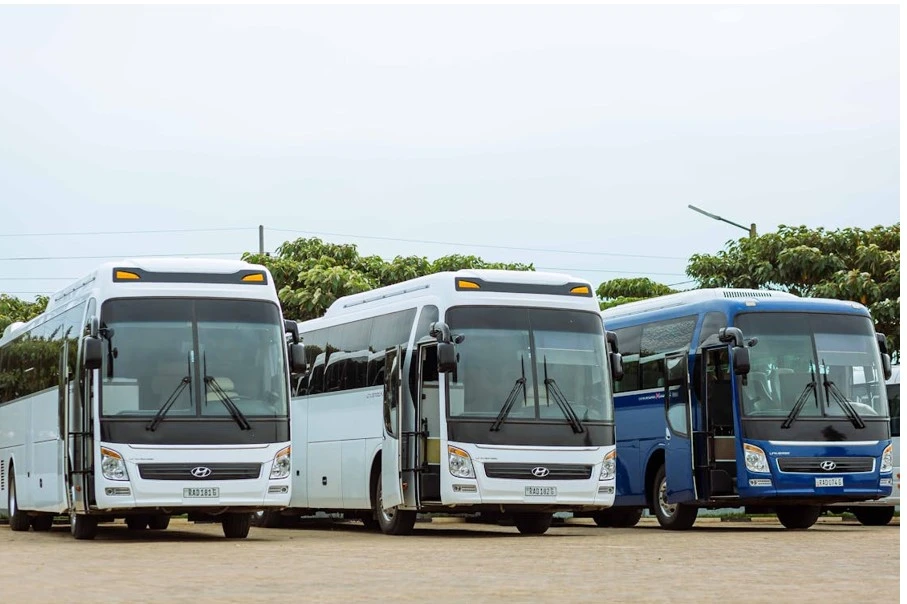

Singapore's public transportation system, known for its efficiency and connectivity, relies on the MRT and bus networks to support daily commuters. However, service coverage and convenience gaps have become apparent as urban development progresses. Minibus services offer an opportunity to complement the existing bus transport service in Singapore by addressing last-mile connectivity, reducing congestion, and providing personalised transportation options. By strategically integrating minibuses into the current network, Singapore can create a more flexible, accessible, and comprehensive transit system that meets the evolving needs of residents and visitors.
1. Addressing the Last-Mile Challenge
The "last-mile problem" remains one of the most persistent challenges in urban transportation planning, and Singapore is no exception. Despite having one of the world's most extensive public transit networks, many commuters still face difficulties travelling between transit hubs and their final destinations. These gaps in service create friction in the commuting experience, potentially discouraging public transport use in favour of private vehicles or ride-hailing services.
Minibuses offer a smart solution by navigating smaller roads and providing direct routes to residential areas, business parks, and communities beyond walking distance from MRT stations and bus interchanges. With capacities of 16 to 25 passengers, they efficiently serve lower-density routes that standard buses can’t, while offering higher frequency than traditional feeder services. By connecting directly to transit hubs, minibuses enable seamless transfers and extend the reach of the transit network.
2. Complementing Peak Hour Services
Singapore's transportation system struggles during rush hours, with packed trains and buses causing discomfort for commuters. While increasing service capacity is one solution, adding large vehicles to congested roads is not always practical or eco-friendly. Minibuses can offer a valuable alternative.
Strategically deployed minibuses can ease crowding by providing alternative routes between popular destinations. For example, express minibuses connecting residential areas to business districts could reduce congestion on main routes. Minibuses parallel to busy train lines could also help during disruptions or maintenance. This approach spreads passenger loads evenly across the network, improving commutes without requiring major infrastructure investments.
3. Enhancing Off-Peak Mobility
Singapore's public transport offers good service during the day but sees reduced frequency and coverage during off-peak hours. It impacts shift workers, nightlife patrons, and others travelling at night, limiting economic activity and quality of life. A minibus transport service offers a cost-effective way to maintain mobility during these hours without running nearly empty full-sized buses.
Dynamically scheduled minibus services can provide more frequent departures on popular nighttime routes, offering safe transport for late workers or those enjoying Singapore's nightlife. These smaller vehicles can also serve residential areas with lower off-peak demand more efficiently, ensuring all neighbourhoods can access public transport at any hour. This flexibility supports a true 24-hour city where mobility isn’t limited to peak times.
4. Technology Integration and Smart Routing
The success of any new transportation mode depends on how well it integrates with existing systems, both physically and digitally. For minibuses to fit seamlessly into Singapore's network, they must use the same tech infrastructure as the current system while introducing innovations for their flexible model.
Payment integration is a key step, with minibuses adopting the EZ-Link card and contactless payment options. Real-time tracking data should also feed into Singapore's transport apps, helping commuters plan multi-modal journeys confidently. Minibus routes could further improve with dynamic algorithms that adjust service patterns based on demand, traffic, and events. This "smart routing," powered by Singapore's urban data infrastructure, would make minibuses more responsive and efficient than fixed-route services.
5. Community-Centric Service Design
Introducing minibus services offers a community-focused approach to transportation. Unlike city-wide networks balancing diverse priorities, minibus routes can be tailored to meet the specific needs of local communities, fostering a sense of ownership and relevance.
Neighbourhood consultations could shape route design, schedules, and amenities, ensuring services align with local needs. For example, routes in areas with older populations might focus on accessibility and healthcare connections, while those in university districts could prioritise late-night service and links to social hubs. This bottom-up approach complements Singapore's broader, top-down transportation planning, creating a system that works effectively at both the macro and micro levels.
Final Thoughts
Integrating minibuses into Singapore's transport network is more than adding another vehicle—it’s a chance to build a layered, responsive mobility system that fills gaps in the current infrastructure while supporting sustainability and livability goals. By positioning minibuses as complements to existing transport options, Singapore can create a truly integrated network that combines the efficiency of mass transit with the flexibility of smaller-scale services.
If you're looking for smarter, more convenient transport solutions, Koh Bus is here to connect you. Discover how their minibuses can enhance your daily commute with reliability and ease. Learn more today!



























Sign in to leave a comment.