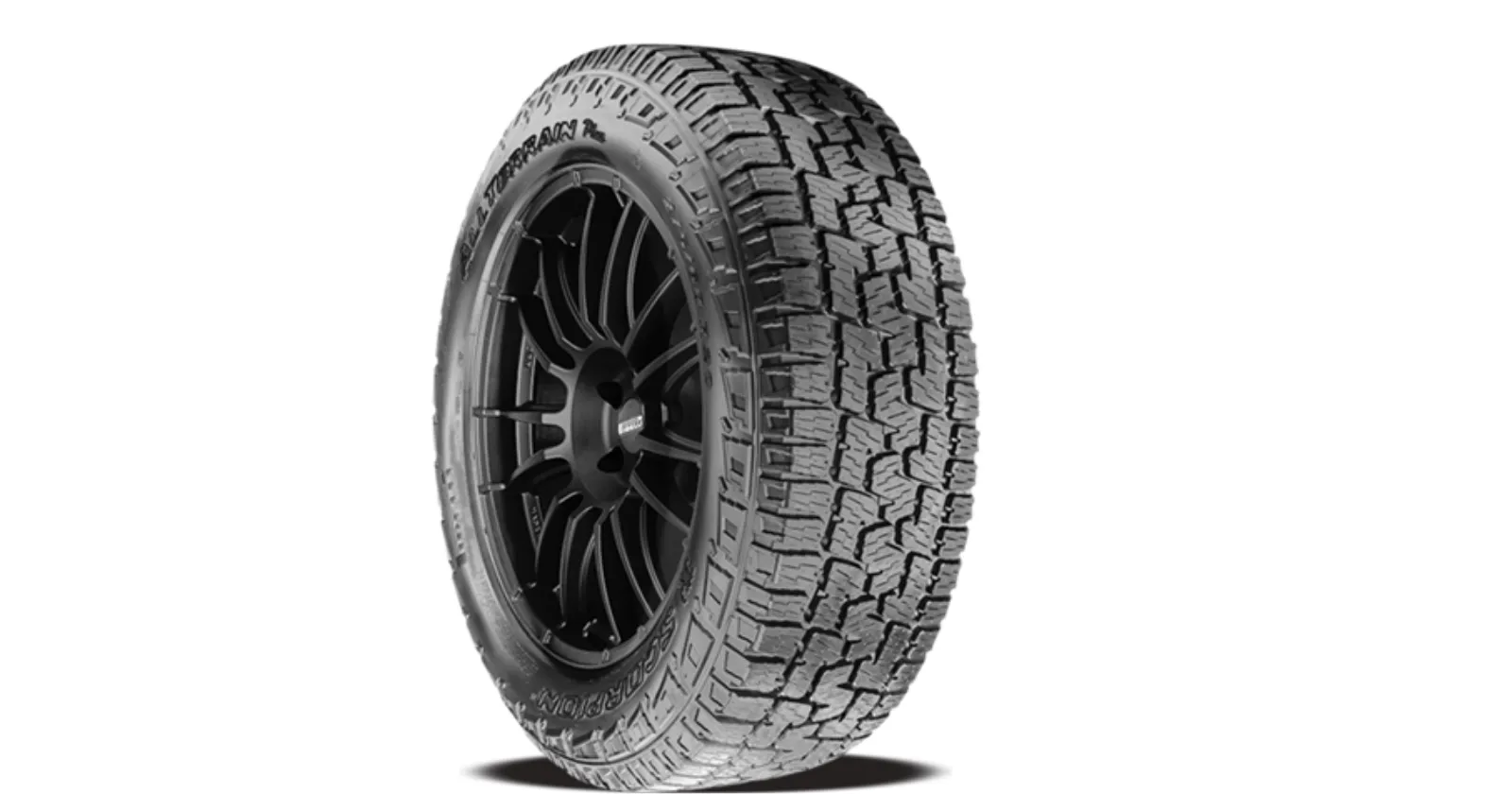

Upgrading your truck or SUV to 35-inch tires is one of the most effective ways to transform both its appearance and off-road capability. The added height improves ground clearance, while the wider footprint enhances traction. However, installing 35s without the right wheel setup can quickly lead to issues like rubbing, poor handling, and uneven wear.
To get the most out of your upgrade, you need to match your tires with the correct wheel diameter, width, and offset. This guide walks you through everything you need to know so you can build a setup that looks right and performs even better.
Why the Right Wheel Setup Matters
Many drivers focus only on tire size, but wheels play an equally important role in overall performance. The wrong setup can affect how your truck drives, especially during turns or off-road articulation.
A properly matched wheel setup helps with:
- Maintaining proper clearance from suspension components
- Preventing tire rubbing during turns or compression
- Improving steering stability and handling
- Achieving the stance and look you want
If you're searching for the best wheel size for 35 inch tires, it’s essential to consider all three elements—diameter, width, and offset—not just one.
Choosing the Right Wheel Diameter
For 35-inch tires, two wheel sizes dominate the market:
17-Inch Wheels – The Off-Road Favorite
A 17-inch wheel is widely preferred for off-road builds. It allows for a taller tire sidewall, which improves ride comfort and provides better grip when driving on rough terrain. The extra rubber also helps protect the wheel from rocks and obstacles.
18-Inch Wheels – A Balanced Choice
An 18-inch wheel offers a slightly more modern look while still maintaining decent off-road performance. It’s a practical option for trucks with larger brake systems that may not fit smaller wheels.
In most cases, a 17x9 or 18x9 wheel delivers the ideal balance for running 35s.
Ideal Wheel Width for 35 Inch Tires
Wheel width is just as important as diameter. For common 35-inch tire sizes like 35x12.50 or 315/70R17, the recommended range is:
- 8.5 to 9 inches wide
A 9-inch wheel is often the best match because it supports the tire properly without stretching or compressing the sidewall. This leads to better traction, more predictable handling, and longer tire life.
Using a wheel that’s too narrow or too wide can negatively impact performance and even compromise safety.
Understanding Offset and Backspacing
Offset determines how far your wheels sit inside or outside the fender. It directly affects clearance and stance.
Recommended Offset Range:
- 0mm offset – Keeps the wheels closer to stock positioning
- -12mm offset – Pushes the wheels outward for a wider, more aggressive stance
Backspacing Guidelines:
- Around 4.5 to 4.75 inches works well for most 17x9 setups
A slightly negative offset is popular because it improves stability and gives the truck a stronger, planted look. However, going too far can require additional modifications like trimming fenders.
Proven Wheel and Tire Combinations
Here are some commonly used setups that deliver reliable results:
- 35x12.50R17 on 17x9 with -12mm offset
Offers a bold stance but may require minor trimming - 315/70R17 on 17x9 with 0mm offset
Provides a cleaner, more tucked fitment - 295/70R18 on 18x9 with 0mm offset
A great option for trucks with larger brake systems
These combinations are widely used because they balance aesthetics with functionality.
Suspension Considerations
Installing 35-inch tires usually requires more than just wheels. Most trucks need some level of suspension modification to avoid clearance issues.
Typical upgrades include:
- A 2–3 inch lift kit or leveling kit
- Minor trimming in tight areas
- Proper alignment after installation
Skipping these adjustments can lead to rubbing and reduce overall drivability.
Selecting the Right Tire Type
Your tire choice should match how you use your vehicle. When comparing mud terrain vs all terrain tires, consider your driving habits:
- All-terrain tires are ideal for daily driving with occasional off-road use
- Mud-terrain tires are better suited for rough, muddy, or rocky trails
If you’re searching for dependable off-road tires Columbia SC or the best all-terrain tires South Carolina, choosing the right type will enhance both comfort and performance.
Use a Tire Size Exchange Chart
Before upgrading, it’s helpful to check a tire size exchange chart. This allows you to compare your current tires with 35s and understand how the change will affect speed, clearance, and gearing.
Planning ahead prevents unexpected issues after installation.
Building a Well-Balanced Setup
For most trucks, a reliable setup for 35-inch tires includes:
- Wheel Diameter: 17” or 18”
- Wheel Width: 8.5” to 9”
- Offset: Between 0mm and -12mm
- Backspacing: Around 4.5” to 4.75”
This combination works well for both daily driving and off-road use while maintaining a strong, aggressive stance.
Find the Right Wheels for Your Build
At Golden Offroad, you can explore a wide range of high-quality wheels and tires built for performance and durability. Whether you’re looking for the best Fuel Off-Road wheels, heavy-duty american racing dually rims, or rugged best Black Rhino wheels, choosing the right fitment is key to maximizing your truck’s potential.
With the right combination of parts, your vehicle won’t just look upgraded—it will be ready to handle real-world conditions with confidence.
Final Thoughts
Running 35-inch tires is about more than just size—it’s about getting the entire setup right. When your wheels, tires, and suspension are properly matched, you get better performance, improved durability, and a cleaner overall look.
Take the time to plan your build carefully, and you’ll end up with a truck that performs as good as it looks—both on the road and off it.
















Sign in to leave a comment.