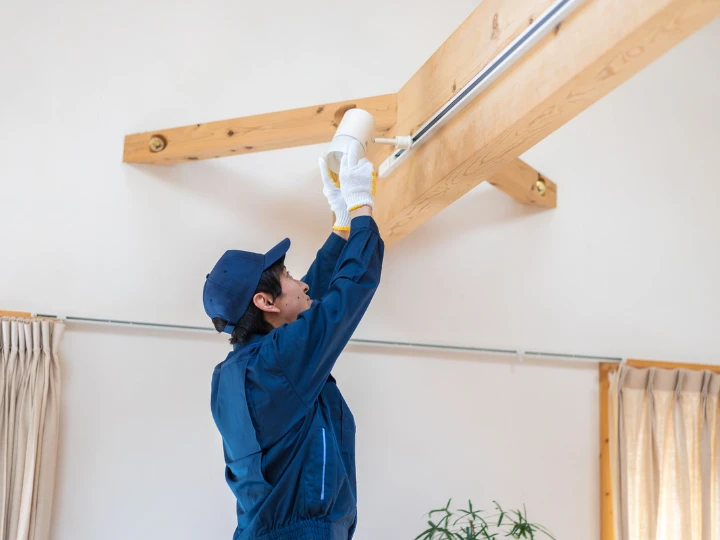

Selling a property is more than just listing it on the market—it’s about creating an emotional connection with potential buyers. One of the most effective ways to achieve this is through styling a house for sale, a process that transforms a lived-in space into a visually appealing home that buyers can imagine themselves living in. Thoughtful staging can significantly influence how quickly a property sells and the price it ultimately achieves.
Why Home Staging Matters
Home staging is not about decorating to personal taste; it’s about presenting a property in a way that appeals to a broad audience. Buyers often make decisions within minutes of stepping into a home, and first impressions matter more than many sellers realise.
A well-staged home:
- Highlights the property’s best features
- Minimises flaws or awkward spaces
- Creates a welcoming and aspirational environment
- Helps buyers visualise how they would use each room
In a competitive market, staged homes tend to stand out in listings and inspections, often leading to more interest and stronger offers.
The Psychology Behind Styling
Creating Emotional Appeal
Buying a home is both a financial and emotional decision. When a space feels warm, inviting, and functional, buyers are more likely to form a connection. Styling uses elements like soft furnishings, lighting, and layout to evoke comfort and lifestyle aspirations.
Neutral Yet Inviting Spaces
While bold colours and personal décor may reflect the seller’s personality, they can distract buyers. Neutral tones create a clean canvas, allowing visitors to imagine their own belongings in the space. This doesn’t mean a home should feel bland—texture, layering, and subtle accents can still add warmth.
Key Elements of Effective Home Staging
Decluttering and Depersonalising
One of the simplest yet most impactful steps is removing excess items. Clutter can make rooms feel smaller and less functional. Personal items such as family photos or highly specific décor should also be minimised to maintain a neutral environment.
Furniture Placement and Flow
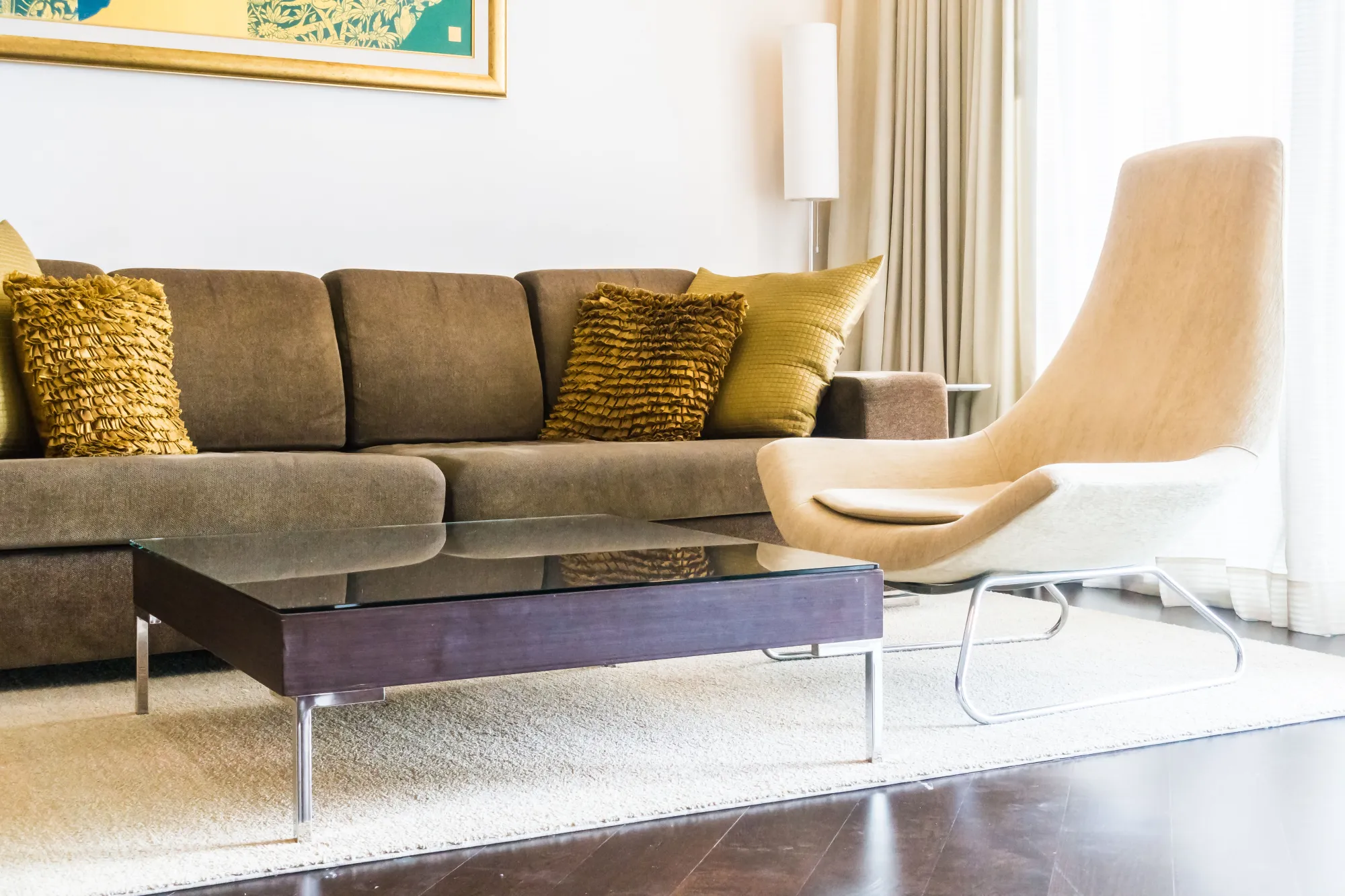
The way furniture is arranged can change how spacious a room feels. Good staging ensures:
- Clear walkways
- Defined living zones
- Balanced proportions within each room
Sometimes, removing or replacing bulky furniture can make a significant difference.
Lighting and Ambience
Natural light is a major selling point. Opening curtains, cleaning windows, and using mirrors to reflect light can brighten spaces. In addition, layered lighting—such as floor lamps and table lamps—creates a cosy atmosphere during inspections.
Finishing Touches
Small details can elevate the overall presentation:
- Fresh flowers or greenery
- Coordinated cushions and throws
- Clean, crisp bed linen
- Subtle scents to create a pleasant environment
These touches help transform a house into a home that feels cared for and move-in ready.
Common Mistakes Sellers Should Avoid
Over-Styling the Property
While styling is important, going overboard can make a home feel artificial. Buyers should feel comfortable, not like they’re walking through a showroom.
Ignoring Maintenance Issues
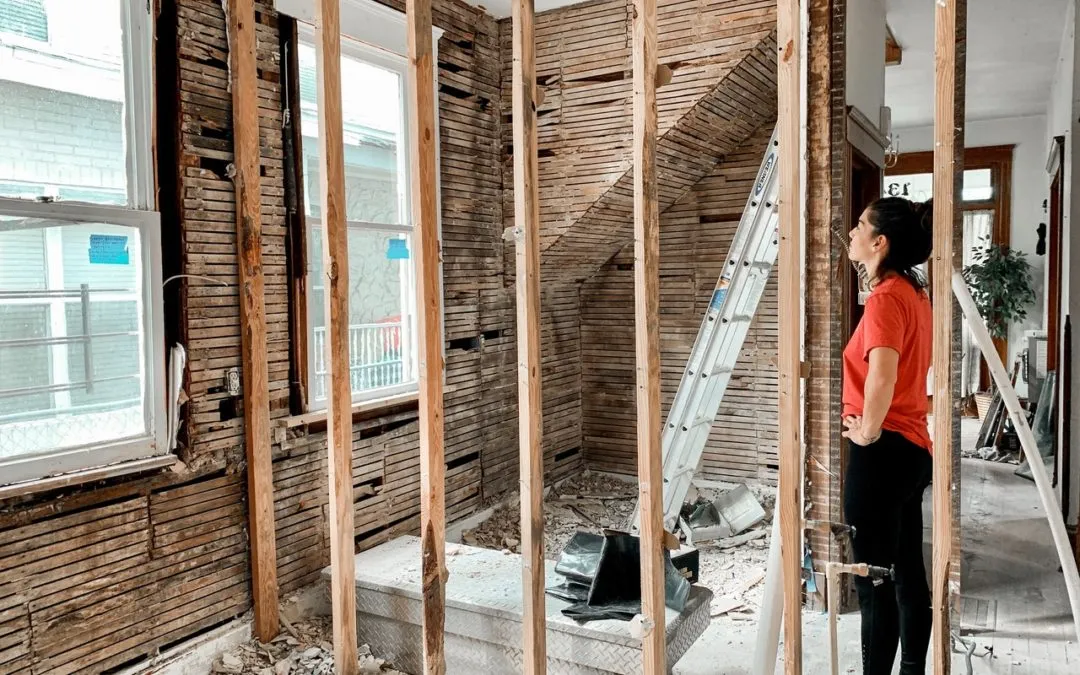
Staging cannot hide structural or maintenance problems. Minor repairs—such as fixing leaks, repainting walls, or replacing worn fixtures—should be addressed before styling begins.
Neglecting Outdoor Spaces
First impressions start before buyers even step inside. A tidy garden, clean driveway, and welcoming entryway can set the tone for the entire inspection.
Is Professional Staging Worth It?
While some sellers choose to stage their homes themselves, professional staging can offer a more polished result. Professionals understand current trends, buyer expectations, and how to maximise a property’s appeal.
That said, even simple improvements—like decluttering, rearranging furniture, and adding fresh décor—can make a noticeable difference without a large investment.
The Impact on Sale Price and Time
Well-staged homes often sell faster and attract more competitive offers. By presenting the property in its best light, sellers can create a sense of value and desirability. Buyers are more likely to perceive the home as well-maintained and worth the asking price.
In many cases, the cost of staging is outweighed by the potential return, whether through a higher sale price or reduced time on the market.
Final Thoughts
Home staging and styling are powerful tools that go beyond aesthetics. They shape how buyers perceive a property and influence their decision-making process. By focusing on presentation, functionality, and emotional appeal, sellers can position their home more effectively in the market. Whether done professionally or independently, thoughtful styling can be the difference between a property that lingers and one that sells with confidence.
FAQs
1. What is home staging?
Home staging is the process of preparing and styling a property to make it more appealing to potential buyers, often using furniture, décor, and layout adjustments.
2. How much does home staging cost in Australia?
Costs can vary depending on the size of the property and level of styling required, ranging from a few hundred to several thousand dollars.
3. Can I stage my home myself?
Yes, many sellers choose to stage their homes themselves by decluttering, rearranging furniture, and adding simple décor touches.
4. Does staging really help sell a house faster?
In many cases, staged homes attract more interest and can sell faster compared to unstaged properties.
5. What rooms should I prioritise when staging?
Focus on key areas such as the living room, kitchen, and master bedroom, as these spaces tend to have the biggest impact on buyers.

























Sign in to leave a comment.