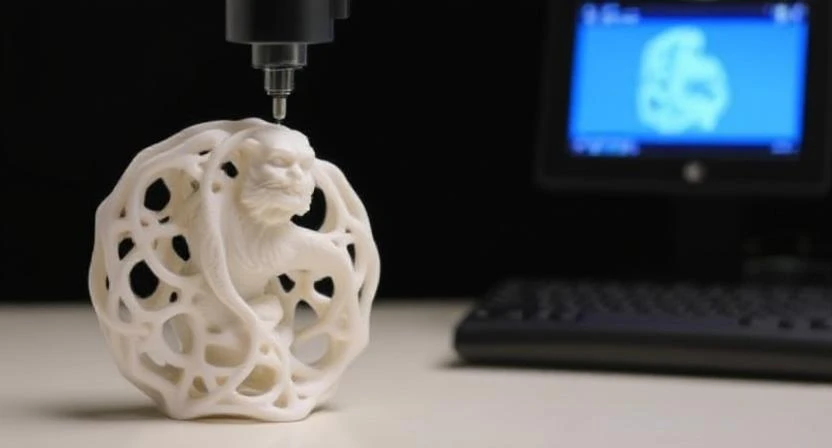
Selective Laser Sintering (SLS) has emerged as one of the most advanced and versatile 3D printing technologies available today. Unlike traditional manufacturing methods that remove material or require molds, SLS builds complex parts layer by layer using a high-powered laser to fuse powdered materials. This additive manufacturing process is transforming industries from aerospace to medical devices by enabling the production of strong, functional parts with geometries impossible to achieve through conventional means.
How Selective Laser Sintering Works
The Selective Laser Sintering (SLS) process follows a precise, automated sequence:
- Powder Bed Preparation: A thin layer of fine polymer powder (typically nylon or polyamide) is spread across the build platform
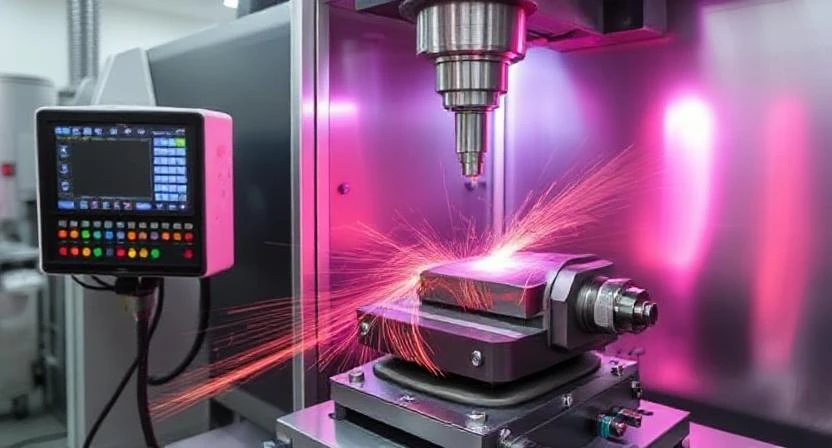
- Laser Sintering: A high-precision CO2 laser selectively fuses powder particles according to the 3D model's cross-section
- Layer Bonding: The platform lowers, another powder layer is applied, and the process repeats until completion
- Cooling & Recovery: The build chamber cools gradually before excess powder is removed and recycled
Key advantages of this approach include:
- No need for support structures (unsintered powder supports the part)
- High accuracy with layer resolutions down to 0.08mm
- Excellent mechanical properties comparable to injection molded parts
- Material efficiency with up to 70-80% powder reuse
Unmatched Benefits of SLS 3D Printing
1. Design Freedom Without Compromise
- Creates complex internal channels and honeycomb structures
- Produces interlocking or moving parts in a single print
- Enables lightweight yet strong lattice designs
- Accommodates organic, topology-optimized shapes
2. Superior Functional Properties
- Parts exhibit isotropic strength (equal in all directions)
- High heat resistance (up to 180°C for some materials)
- Excellent chemical resistance
- Good fatigue endurance for dynamic applications
3. Cost-Effective Production
- Eliminates expensive tooling requirements
- Low per-part cost for small batch production
- Reduced material waste compared to subtractive methods
- Enables on-demand manufacturing
4. Rapid Development Cycles
- Cuts prototyping time from weeks to days
- Allows functional testing of end-use materials
- Simplifies design iterations
- Accelerates time-to-market
Industry Transformations Through SLS
Aerospace & Automotive
- Lightweight ducting and airflow components
- Custom mounting brackets
- Heat-resistant engine parts
- Complex fuel system elements
Medical & Dental
- Patient-specific surgical guides
- Prosthetic limb components
- Orthopedic implants
- Dental aligner molds
Consumer Products
- Ergonomic tool grips
- Custom-fit eyewear
- High-end fashion accessories
- Durable sporting goods
Industrial Applications
- Fluid handling systems
- Robotics components
- Conformal cooling molds
- Electrical housings
The Future of SLS Technology
Advanced Materials Development
- Flame-retardant polymers for transportation
- Bio-compatible materials for medical implants
- Conductive composites for electronics
- High-temperature resins for engine components
Production-Scale Systems
- Faster printing with multi-laser configurations
- Larger build volumes for bigger parts
- Automated powder handling
- Integrated post-processing
Digital Manufacturing Integration
- AI-powered build optimization
- Cloud-based production monitoring
- Distributed manufacturing networks
- Blockchain-enabled quality tracking
Sustainable Innovations
- Bio-based polymer powders
- Closed-loop powder recycling
- Energy-efficient laser systems
- Reduced carbon footprint manufacturing
Conclusion
Selective Laser Sintering stands at the forefront of industrial additive manufacturing, offering unparalleled design freedom combined with engineering-grade material properties. As the technology continues advancing with new materials, larger formats, and smarter production systems, SLS is transitioning from a prototyping tool to a full-fledged manufacturing solution. Companies adopting SLS gain competitive advantages through accelerated product development, mass customization capabilities, and simplified supply chains.

























Sign in to leave a comment.