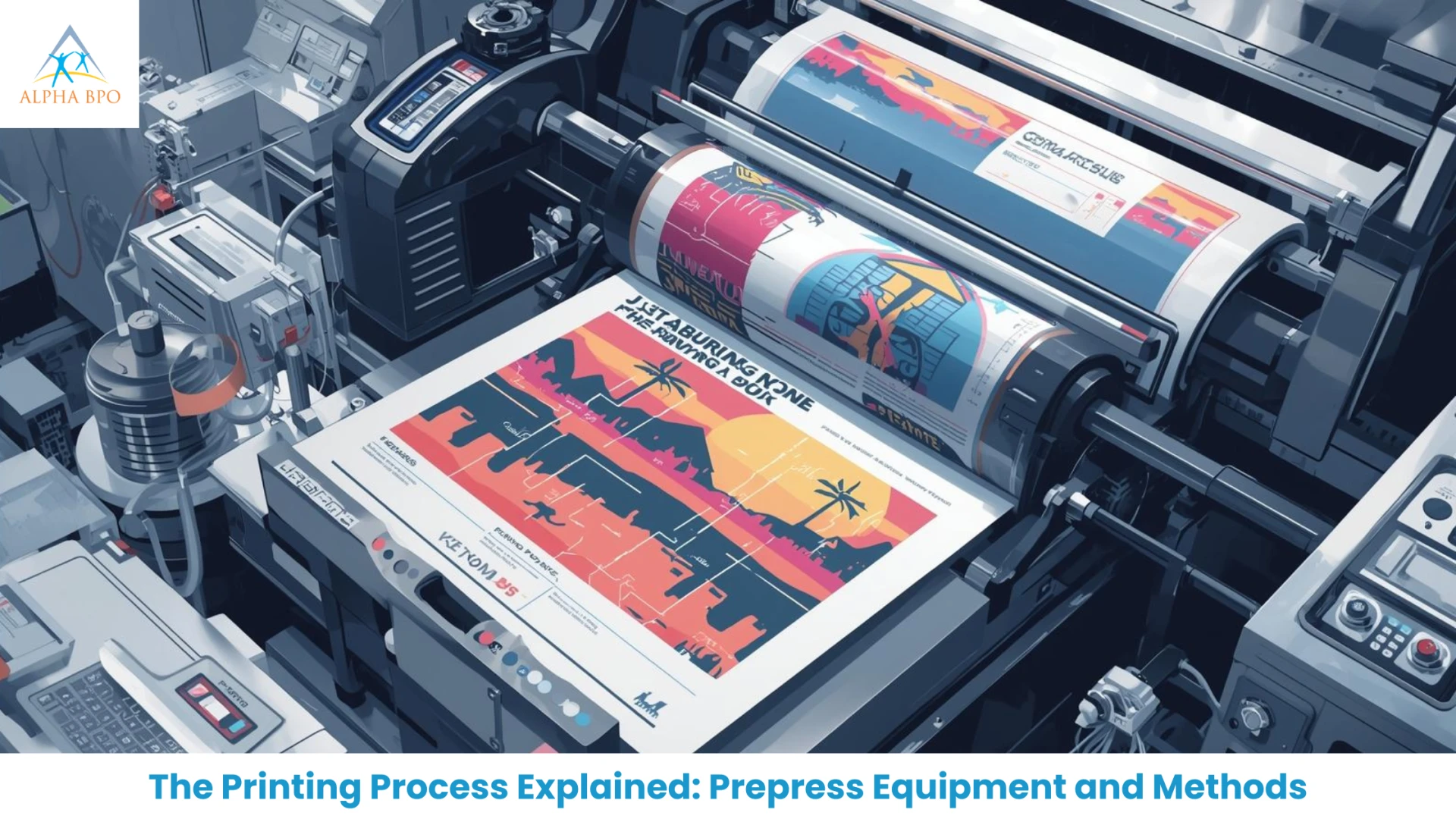

Do you want to know about the complete printing process of digital design? The continuous use of digital tools and technology impacts all industries, including the print media sector. They allow designers to turn their design concepts into life. However, in any successful printing project, the work done before ink touches the paper lays the foundation for excellent results.
This early stage is known as prepress, which focuses on planning, preparation, and accuracy, where prepress printing and prepress equipment play a vital role in transforming how the final product, whether it is a brochure, magazine, or book, will look and perform.
When handled correctly, the entire prepress process reduces errors, controls costs, and ensures the printing press delivers uniform, reliable output. This blog provides every minor detail of the complete printing process, including the significance of prepress techniques and the equipment used.
Knowing The Vital Role Of Prepress In Modern Printing
Prepress is the unique phase where conceptual and creative ideas are converted into ready-to-print materials. It overcomes the gap between print and design production operations. During this stage, experienced designers and technicians carefully review digital files, manage color, modify layouts, and confirm technical details before production begins.
A robust prepress workflow ensures the printing project moves smoothly without any challenges. Whether it is a short run for marketing materials or a large-scale commercial job. Errors caught early prevent waste, save time, and protect the quality standards.
Vital Steps Involved In The Printing Process
File Preparation As The First Critical Step
File preparation is the initial phase of every print job. Professional designers prepare your prepress files and submit digital files that should match the exact specifications. This activity includes bleed settings, resolution, correct page size, color mode, and proper formatting. Even minor errors can cause costly problems during the print runs.
At the beginning of the file preparation stage, experienced technicians review fonts, images, and design layouts to ensure everything is properly combined. A clean file preparation process helps avoid delays and confirms that the final print matches expectations. Also, it allows the printing press to operate perfectly without unnecessary interruptions.
Accuracy And Color Management
Color consistency and uniformity are essential in performing professional printing. Experienced prepress teams carefully manage color using standardized systems to confirm accuracy from screen to paper. One popularly used reference during prepress services is the Pantone Matching System (PMS), which helps maintain the brand consistency across different materials. Another crucial step in prepress printing is color separation.
The accurate design is broken down into cyan, magenta, yellow, and black components so that each color can be applied perfectly during printing. This crucial process is essential in offset printing, where accuracy directly influences the final product quality.
Proofing Techniques That Prevent Costly Errors
Proofing is the area where expectations meet reality. Before full print production starts, proofs of designs are created using proofing equipment to review layout, color, and overall appearance. Contract proofs are primarily used to represent the final output more closely and precisely. They serve as references that both the printer and the client approve.
Physical proofs, including content, allow teams to see how the design looks on genuine material. This step is necessary in prepress printing for catching alignment issues, text errors, or color shifts. For large-format projects, such as banners or signage, proofing confirms that images remain sharp and legible at the correct scale.
Plate Making and Press Preparation
Once proofs are approved, the final print job moves closer to production. Printing plates are created from the finalized offset printing design. These plates transfer inks onto paper with high precision, making them ideal for longer print runs that demand uniform quality.
The press preparation stage involves setting up the printing press with the correct plates, ink settings, and paper type. Thoughtful calibration at this stage ensures high-quality prints and minimizes material waste.
This preparation is simpler for digital printing, which does not require plates and is primarily used for short-run jobs.
Differences Between Digital and Offset Printing In Prepress
Prepress techniques vary depending on the printing method. Digital printing allows for faster print setup and is ideal for personalized or low-volume jobs. The process relies heavily on accurate digital files and automated workflows.
Offset printing needs more detailed prepress printing activities, including plate creation and press setup. Moreover, it offers superior consistency for large quantities. Selecting the proper technique depends on the timeline, budget, and desired final print quality.
Better Quality Control Throughout The Printing Process
Quality control is not a single step but a continuous effort throughout the prepress services. Experienced technicians review files, design proofs, and setup details to confirm that nothing is missed.
This closer attention to detail prevents issues from reaching the press stage, where slight corrections become more expensive. Quick checks and monitoring include verifying alignment, color accuracy, and image resolution. Consistent quality control during printing confirms that every copy in the print run meets the same standard, resulting in a professional final product, whether it is brochures or magazines.
Managing Large and Complex Printing Projects
For complex jobs, such as large-format displays or multiple-page book publications, coordination between prepress workflows becomes even more necessary. Experienced teams should manage multiple layouts, files, and finishing requirements while maintaining consistency across all elements.
Seamless communication between prepress technicians, designers, and printing press operators helps align the commercial printing process. When everyone perfectly knows the primary requirements, the project moves forward with fewer revisions and delays.
From Final Approval To Print Production
After all checks are completed and design approvals are secured, the design moves into full print production. The press runs according to the approved settings, producing the materials exactly as planned.
Continuous monitoring during prepress printing confirms that alignment, color, and ink coverage remain uniform throughout the design. This stage transforms careful prepress preparation into tangible results. Whether it is producing brochures, packaging, or marketing materials, strong prepress work confirms that the final print aligns with the original vision.
How Prepress Impacts The Final Print
The final print quality relies heavily on the strength of the prepress process. Accurate proofs, well-prepared files, and properly calibrated equipment cause smoother print runs and fewer surprises. It leads to a polished final product that highlights the original design intent.
For enterprises, this activity means better brand presentation and fewer delays. For printers, it means perfect workflows and satisfied customers. Although prepress may not be the visible part of printing, it is one of the most crucial elements.
Deliver The Accurate Design During Prepress Printing Using The Proper Techniques
Understanding the prepress stage helps customers appreciate the effort that goes into professional printing. The process is not about simply pressing a button and producing pages. Instead, it is a thoughtful process that combines creative insight, technical skills, and careful review. By investing valuable time in proven prepress methods and reliable prepress services, printers can deliver consistent results across a wide range of printing projects.
Each step, from file preparation to proofs and plates, supports a commercial printing process and delivers a high-quality final print that meets expectations.

























Sign in to leave a comment.