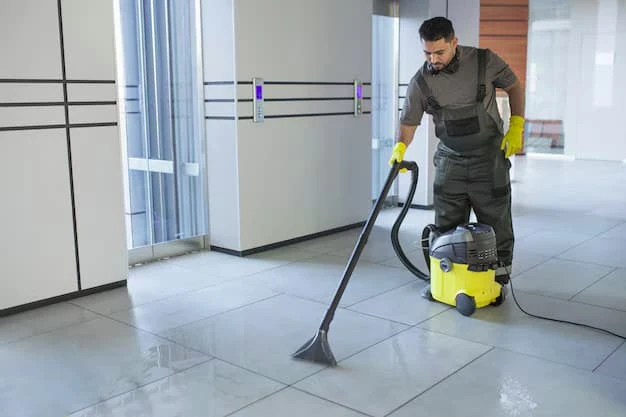

Maintaining clean and well cared for floors is a critical aspect of facility management. High traffic areas, commercial spaces, and residential properties all require periodic attention to preserve appearance, hygiene, and longevity. Deep floor cleaning goes beyond routine sweeping and mopping by removing embedded dirt, grime, and contaminants that accumulate over time. This specialized process restores floors to their original condition while protecting materials from wear and damage.
Understanding the step by step approach behind effective deep floor cleaning helps businesses, property managers, and homeowners make informed decisions about maintaining their flooring investments.
Why Deep Floor Cleaning Is Essential
Routine cleaning can remove surface dust and debris, but it often fails to address deep seated dirt or bacteria. Deep floor cleaning provides several benefits for various environments.
Enhanced Appearance
Embedded dirt and scuffs can dull the look of flooring over time. Deep cleaning restores shine and vibrancy, improving the overall aesthetic of a space.
Improved Hygiene
Floors can harbor bacteria, allergens, and other contaminants. Deep floor cleaning helps reduce potential health risks by thoroughly sanitizing surfaces.
Prolonged Floor Lifespan
Consistent deep cleaning prevents premature wear and deterioration. Proper maintenance extends the life of tile, hardwood, vinyl, and other flooring materials.
Safety Benefits
Debris, spills, and buildup can create slippery surfaces or tripping hazards. Deep cleaning ensures that floors are both visually appealing and safe for occupants.
Preparing for Deep Floor Cleaning
Proper preparation is essential to achieve optimal results and prevent damage during the cleaning process.
Assessing Floor Type and Condition
Different flooring materials require specialized techniques. Hardwoods, tiles, vinyl, and concrete each have unique maintenance needs.
Assessing the condition of the floor helps determine the cleaning approach, appropriate equipment, and suitable cleaning solutions.
Clearing the Area
Furniture, rugs, and obstacles should be removed to provide unobstructed access. Clearing the area ensures that all surfaces receive consistent treatment.
Safety Precautions
Signage and safety measures help prevent accidents during cleaning. Staff should be equipped with proper personal protective equipment, and floors should be marked to indicate wet or treated areas.
The Step by Step Deep Floor Cleaning Process
Deep floor cleaning involves several steps designed to remove dirt and contaminants effectively while protecting the flooring surface.
Dry Debris Removal
The process begins with sweeping or vacuuming to remove loose dirt, dust, and debris. This step prevents scratching during the subsequent wet cleaning process.
Pre Treatment
Stubborn stains, gum, or sticky residues are treated with specialized cleaning solutions. Pre treatment helps break down contaminants for easier removal.
Scrubbing and Agitation
Mechanical scrubbing machines or hand tools are used depending on floor type and size. Agitation loosens embedded dirt and grime trapped in pores, grout lines, or surface textures.
For hardwood floors, gentle agitation preserves finish integrity while removing buildup. For tile and concrete, more intensive scrubbing may be applied.
Application of Cleaning Solutions
Professional grade cleaning solutions are selected based on floor material. Solutions are applied evenly and allowed to penetrate dirt and stains.
Proper chemical selection ensures effectiveness without causing discoloration or damage.
Rinsing and Extraction
After agitation, floors are rinsed to remove cleaning solution and loosened debris. Wet vacuum systems or extraction machines pull excess water and contaminants from the surface.
Thorough rinsing prevents residue buildup, which can attract dirt if left behind.
Drying
Proper drying is essential to prevent slips and floor damage. High speed fans, air movers, or natural ventilation may be used depending on the environment and floor type.
Ensuring complete dryness also prepares the surface for finishing treatments if necessary.
Specialized Considerations for Different Floor Types
Deep floor cleaning methods vary depending on the type of flooring being treated.
Hardwood Floors
Hardwood requires gentle cleaning to avoid water damage. Low moisture methods combined with neutral pH cleaners help preserve finish and prevent warping.
Buffing or light polishing may be applied after cleaning to restore shine.
Tile and Grout
Tile floors often accumulate dirt in grout lines. Specialized brushes, cleaning solutions, and extraction systems are used to restore both tile and grout appearance.
Sealing grout after cleaning protects against future staining.
Vinyl and Laminate
Vinyl and laminate floors benefit from deep cleaning with mild detergents and low moisture techniques. Avoiding abrasive scrubbing prevents surface scratches and maintains gloss.
Concrete and Stone
Polished concrete, natural stone, and terrazzo require heavy duty scrubbing and specialized solutions to remove buildup without damaging the surface. Polishing or sealing may follow cleaning for long term protection.
Frequency of Deep Floor Cleaning
The appropriate frequency depends on traffic levels, environmental conditions, and type of flooring.
High Traffic Commercial Spaces
Retail stores, office buildings, and medical facilities benefit from quarterly or monthly deep cleaning to maintain appearance and hygiene.
Moderate Use Facilities
Educational institutions, government buildings, and community centers may require semi annual deep cleaning to keep floors in optimal condition.
Residential Floors
In homes, annual or semi annual deep floor cleaning can help protect investment and maintain visual appeal, especially in areas with heavy foot traffic or pets.
Benefits Beyond Cleanliness
Deep floor cleaning delivers advantages that extend beyond immediate appearance.
Improved Indoor Air Quality
Removing dust, allergens, and contaminants from floors reduces the amount of airborne particles. This supports healthier indoor air quality for occupants.
Cost Savings
Regular deep cleaning prevents premature wear, reducing the need for costly repairs or early replacement of flooring materials.
Enhanced Aesthetic Value
Consistently maintained floors contribute to an overall polished and professional environment, supporting positive impressions for clients, customers, or residents.
Choosing Professional Services
Professional deep floor cleaning ensures consistent results and protects valuable flooring investments.
Expertise and Equipment
Trained technicians use advanced equipment and cleaning solutions designed for specific floor types. This expertise ensures effective cleaning without causing damage.
Customized Cleaning Plans
Professionals assess the facility and develop a tailored schedule and method to meet specific needs. Customized plans maximize efficiency and results.
Quality Assurance
Reputable services implement quality checks and inspections to confirm that floors meet cleanliness and safety standards after each session.
Conclusion
Effective deep floor cleaning is a structured, multi step process that restores floors, improves hygiene, and prolongs material lifespan. From assessment and preparation to specialized cleaning methods and drying, each stage is essential to achieving optimal results. Whether dealing with hardwood, tile, concrete, or vinyl, professional deep floor cleaning protects investment and enhances the overall environment.
For businesses and property managers seeking reliable and professional deep floor cleaning solutions, All Building Cleaning Corp provides expert services designed to maintain clean, safe, and visually appealing flooring across any commercial or residential property.






















Sign in to leave a comment.