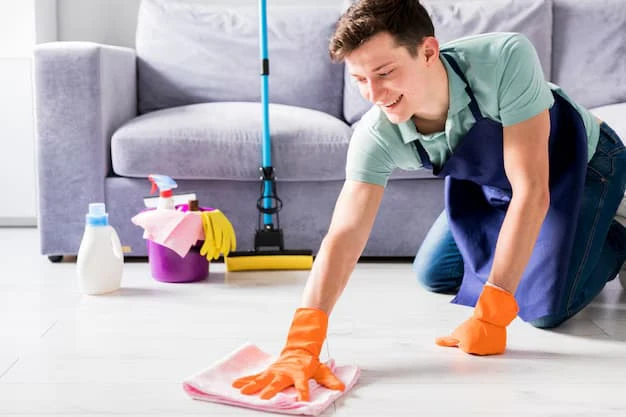

Clean and well maintained floors play a major role in the overall appearance, safety, and longevity of any commercial or residential space. While professional floor cleaning services provide deep and thorough care, daily and weekly maintenance is essential to preserve those results. Proper upkeep between scheduled cleanings helps extend the life of flooring materials, reduces long term repair costs, and keeps spaces looking polished and professional.
This guide explores practical and effective strategies for maintaining different types of flooring between professional visits. By following these tips, property owners and facility managers can protect their investment and ensure consistently attractive and safe surfaces.
The Importance of Ongoing Floor Maintenance
Professional cleaning provides deep sanitation and restoration, but regular care in between appointments ensures floors remain in excellent condition.
Preserving Floor Longevity
Dirt, grit, and moisture gradually break down flooring materials. When debris accumulates, it can scratch surfaces and weaken protective finishes. Routine maintenance removes harmful particles before they cause permanent damage.
Consistent care significantly extends the lifespan of hardwood, tile, vinyl, laminate, and carpeted floors. Preventative attention reduces the need for costly repairs or premature replacements.
Maintaining Safety Standards
Slippery or uneven floors present safety hazards. Dust buildup, spills, and debris increase the risk of slips and falls. Regular cleaning reduces these risks and helps maintain a safe environment for employees, customers, and guests.
In commercial spaces especially, proper floor maintenance also supports compliance with safety regulations and workplace standards.
Protecting Visual Appeal
Floors are one of the first elements people notice when entering a building. Clean, polished surfaces create a positive impression and contribute to a professional atmosphere. Maintaining floors between professional cleanings keeps spaces consistently presentable.
Daily Maintenance Practices
Daily routines are the foundation of effective floor care. Small actions performed consistently can make a significant difference.
Sweeping and Dust Mopping
Dust and dirt accumulate quickly, particularly in high traffic areas. Sweeping or dust mopping daily prevents debris from grinding into flooring surfaces.
For hard floors such as tile, vinyl, or hardwood, using a microfiber dust mop captures fine particles effectively. This simple habit reduces surface scratches and preserves shine.
Immediate Spill Cleanup
Spills should always be cleaned promptly. Liquids can seep into seams, cause staining, or damage finishes if left unattended.
Using an absorbent cloth and appropriate cleaning solution for the specific flooring type prevents long term damage. Quick action also reduces slip hazards.
Entrance Mat Maintenance
Entryways are primary sources of dirt and moisture. Placing high quality mats at entrances significantly reduces the amount of debris tracked indoors.
Mats should be vacuumed and shaken out regularly to maintain effectiveness. Clean entry mats serve as the first line of defense in protecting interior floors.
Weekly Cleaning Routines
In addition to daily upkeep, weekly routines help maintain deeper cleanliness and surface integrity.
Damp Mopping Hard Floors
While daily dust mopping removes loose debris, damp mopping once or twice a week removes residue and grime buildup.
It is important to use a cleaner appropriate for the specific flooring material. Excessive water should be avoided, especially on hardwood or laminate surfaces, as moisture can cause warping or swelling.
Vacuuming Carpets Thoroughly
Carpeted floors require regular vacuuming to remove embedded dirt and allergens. High traffic areas may need more frequent attention.
Using a vacuum with strong suction and a clean filter ensures effective removal of dust and debris. This helps maintain carpet fibers and improves indoor air quality.
Spot Cleaning Stains
Addressing stains early prevents them from becoming permanent. Weekly inspections allow facility managers or homeowners to identify and treat problem areas before they worsen.
Using manufacturer recommended products protects flooring materials from damage during stain removal.
Material Specific Maintenance Tips
Different flooring types require tailored care. Understanding material specific needs is essential for effective maintenance.
Hardwood Floors
Hardwood floors add warmth and elegance to any space, but they require careful maintenance.
Avoid using excessive moisture when cleaning. A lightly damp microfiber mop is usually sufficient. Furniture pads should be placed under chairs and tables to prevent scratches. High heels and heavy equipment should be monitored to avoid denting.
Regular inspection of the protective finish helps determine when refinishing may be needed.
Tile and Grout
Tile floors are durable, but grout lines can trap dirt and stains. Regular sweeping and mopping keep tiles clean, while occasional gentle scrubbing of grout prevents discoloration.
Using a neutral cleaner prevents damage to tile surfaces. Harsh chemicals can weaken grout over time.
Vinyl and Laminate
Vinyl and laminate flooring are popular for their durability and affordability. They require gentle cleaning solutions and minimal moisture.
Avoid abrasive scrubbers that can scratch protective layers. Keeping furniture pads in place and avoiding dragging heavy objects protects the surface.
Carpeted Floors
Carpets benefit from regular vacuuming and immediate stain treatment. Rotating furniture occasionally prevents uneven wear patterns.
Area rugs placed in high traffic sections can reduce direct wear on carpeting and extend its lifespan.
Preventative Measures to Reduce Wear and Tear
Prevention plays a critical role in maintaining floors between professional appointments.
Implementing Shoe Policies
Encouraging the use of indoor only footwear or shoe covers reduces the amount of dirt brought into a space. In office settings, maintaining clean entry mats and reminding employees about wiping shoes can significantly minimize debris.
Rearranging Furniture Strategically
Heavy furniture can create indentations and uneven wear. Periodically rearranging furniture distributes weight more evenly and prevents concentrated damage.
Using protective pads under furniture legs is a simple yet effective strategy.
Controlling Humidity Levels
Humidity impacts many flooring materials, particularly hardwood. Maintaining stable indoor humidity levels prevents expansion, contraction, and warping.
Using dehumidifiers or humidifiers when necessary helps protect flooring investments.
Establishing a Cleaning Schedule
Consistency is key to effective floor maintenance. Creating a clear schedule ensures that tasks are not overlooked.
Assigning Responsibilities
In commercial settings, assigning specific maintenance tasks to staff members promotes accountability. Clear guidelines help maintain standards between professional cleanings.
In residential settings, establishing weekly routines ensures that floor care becomes a habit rather than an occasional chore.
Keeping a Maintenance Log
Tracking cleaning activities helps monitor patterns of wear and identify recurring issues. Maintenance logs can also assist in scheduling professional services at appropriate intervals.
Recognizing When Professional Support Is Needed
While routine maintenance preserves floors, certain signs indicate the need for professional intervention.
Persistent Stains and Discoloration
If stains remain despite proper cleaning efforts, deeper treatment may be required. Professional equipment and techniques can restore surfaces effectively.
Noticeable Surface Damage
Scratches, dullness, or uneven finishes may require refinishing or specialized treatment. Addressing these issues promptly prevents further deterioration.
Lingering Odors in Carpets
Persistent odors in carpeted areas may indicate trapped moisture or bacteria. Professional deep cleaning can eliminate underlying causes.
Long Term Benefits of Proper Floor Maintenance
Maintaining floors between professional cleanings offers significant long term advantages.
Reduced Repair Costs
Preventative care minimizes the likelihood of severe damage. Small daily actions prevent expensive restoration projects in the future.
Improved Indoor Air Quality
Clean floors reduce dust, allergens, and pollutants. Better air quality contributes to healthier indoor environments for employees, residents, and visitors.
Enhanced Property Value
Well maintained floors enhance the overall value of a property. Whether in a commercial or residential setting, attractive and durable flooring increases appeal and marketability.
Conclusion
Maintaining floors between professional cleaning appointments is essential for preserving appearance, safety, and durability. Daily sweeping, prompt spill cleanup, weekly mopping, and material specific care routines all contribute to long lasting results. Preventative strategies such as using entry mats, controlling humidity, and protecting surfaces from heavy furniture further extend the life of flooring.
By combining consistent in house maintenance with expert deep cleaning when needed, property owners can protect their investment and maintain a polished environment year round. For dependable and professional support, trust All Building Cleaning Corp to deliver exceptional care and long term flooring solutions.























Sign in to leave a comment.