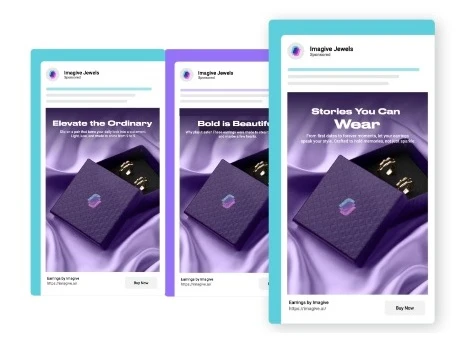

In the fast-scrolling digital world, attention is the quickest thing people lose and the hardest thing brands can earn. Multiple studies show that users decide within the first three seconds whether they will continue or scroll past. This makes the opening line of any content piece one of the most important factors in driving engagement.
Marketers and creators therefore lean heavily on psychological principles to craft hooks that stop the scroll, spark curiosity and hold attention long enough for the message to land. With AI tools such as a hook generator, essay hook generator, and platforms that specialise in generating strong hooks and angles, content teams can produce powerful openings faster and with far more consistency.
Below is a breakdown of why hooks work and how AI strengthens the process.
Why Hooks Matter: The Psychology Behind the First Three Seconds
1. Curiosity Gaps Trigger Instant Attention
Humans naturally seek closure. When a piece of content introduces an incomplete idea or creates an information gap, the brain feels a strong urge to resolve it. Lines such as “Most people get this part completely wrong” work because they open a loop the viewer wants to close.
AI tools trained on performance patterns can generate curiosity-driven hooks at scale.
2. Emotional Triggers Stop the Scroll
Content that activates emotions such as excitement, surprise, concern or humour immediately stands out. The brain prioritises emotion over logic, making emotionally charged openings far more effective.
A hook generator can analyse intent, tone and category to produce emotion-first hooks that resonate with a specific audience.
3. Specificity Builds Trust Instantly
Vague statements rarely hold attention. Numbers, outcomes and precise claims feel credible to the brain, which naturally favours certainty.
Example: “Increase engagement by 170 percent using one simple shift.”
AI systems help creators generate hooks with specific angles, improving both clarity and performance.
4. Pattern Interrupts Break the Scroll Cycle
Most users scroll through repetitive and predictable content. When something unexpected appears, the brain pauses to reassess. This is the essence of a pattern interrupt.
Examples: “You are measuring your content performance incorrectly.”
“Your next viral post might be the one you write in ten seconds.”
An essay hook generator or angle-based AI tool can instantly create multiple pattern-interrupt variations for testing.
5. Relevance Determines Retention
Even the best hook fails if it is not relevant to the viewer. People ask themselves immediately: “Is this for me right now?”
AI helps refine relevance by generating hooks and angles based on audience type, industry context and behavioural signals.
How AI Hook Tools Strengthen Content Performance
1. Speed and Volume
AI eliminates long brainstorming cycles. Content teams can produce dozens of high-performing hook ideas in seconds and test them across formats.
2. Consistency Across Campaigns
A hook generator ensures every piece of content, from social ads to long-form videos, starts with a strong and aligned opening.
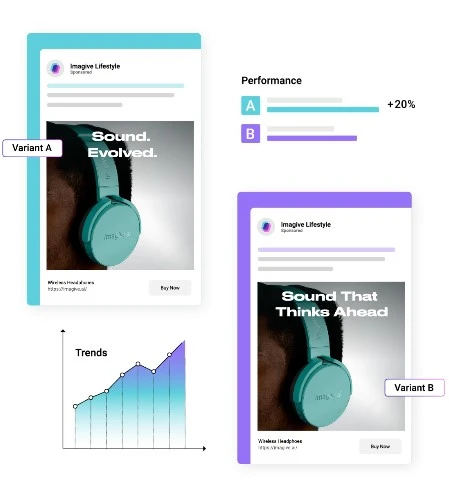
3. Better A/B Testing Capabilities
Performance improves when creators test multiple hook variations. AI makes this easier by providing curiosity-led, emotional, numerical and narrative hooks on demand.
4. Adaptable to All Formats
Short videos, LinkedIn posts, essays, landing pages and scripts each require different hook styles. An AI-powered ad copy creator or hook tool can adapt the structure based on format and objective.
Conclusion
Powerful hooks are built on psychology. Curiosity gaps, emotional triggers, specificity and relevance all influence how quickly a viewer decides to stop scrolling. With attention spans shrinking, creators increasingly rely on AI tools such as a hook generator, essay hook generator and platforms built to produce high-performing hooks and angles in seconds.
Many marketing teams now use advanced creative systems that analyse patterns across winning content and generate multiple hook variations instantly. Tools in this category, including platforms like Imagive.ai that specialise in fast creative ideation, help teams move from guesswork to data-backed creativity. By using intelligent support to test angles, refine messaging and produce stronger openings, brands can consistently create hooks that capture attention in the first crucial three seconds and hold it long enough to convert.























Sign in to leave a comment.