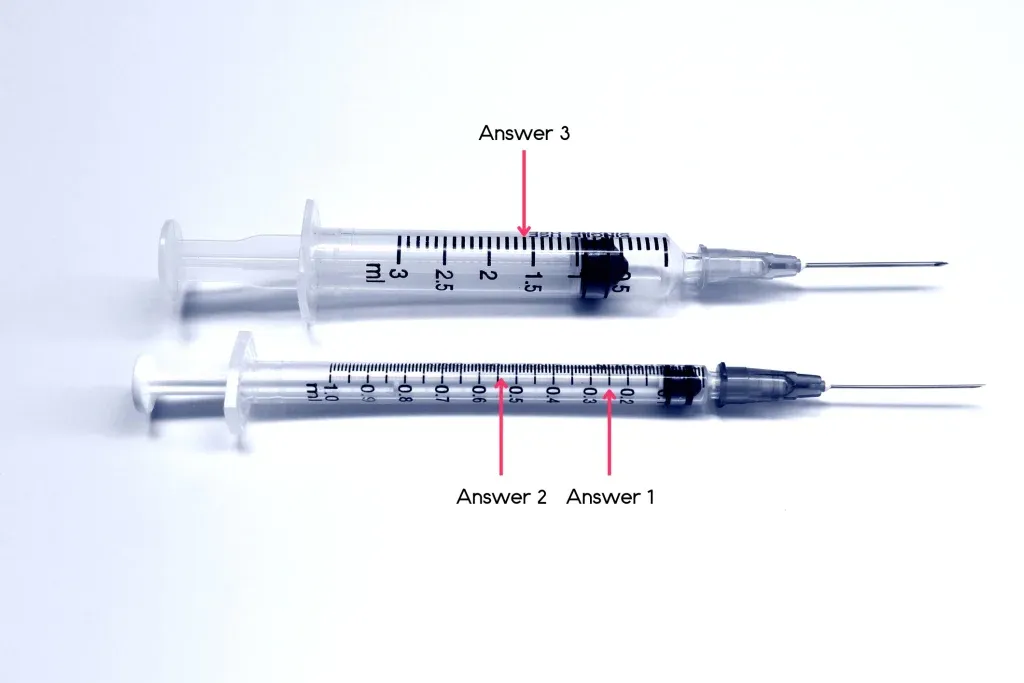

Understanding how to read a 0.5 ml syringe is essential for accurate dosing in various peptide therapies and other medical applications. The process involves recognizing the syringe's calibrated markings, knowing the unit measurements, and carefully aligning the plunger to the desired dose. This knowledge not only helps prevent dosing errors but also affects how users balance cost and access when obtaining syringes and related supplies.
Why Learning to Read a 0.5 ml Syringe Matters
A 0.5 ml syringe is commonly used for small-volume injections, such as peptides, insulin, or vaccines. Unlike larger syringes, the 0.5 ml size requires attention to finer increments to ensure precise dosing. Misreading the syringe can lead to underdosing or overdosing, which may impact treatment effectiveness or safety.
The cost and accessibility of these syringes vary depending on the source, brand, and region. For those managing peptide protocols, understanding how to read and select the right syringe size can influence both financial and health-related tradeoffs.
Anatomy of a 0.5 ml Syringe
Most 0.5 ml syringes are calibrated in increments of 0.01 ml or 0.02 ml, allowing users to measure doses as small as 0.01 ml. The syringe barrel displays numerical markings starting from zero at the tip, increasing to 0.5 ml at the top. The plunger's rubber stopper is aligned against these markings to draw or inject the exact volume.
Learning how to read this syringe means recognizing that each small line corresponds to a fraction of the total volume. For example, if the syringe is marked in 0.01 ml increments, five lines past zero equals 0.05 ml. This precision is critical when handling potent substances like peptides, where even slight volume differences matter.
Cost and Access Tradeoffs in Syringe Selection
When selecting syringes, users often face tradeoffs between cost, quality, and availability. Lower-cost syringes may be more accessible in bulk or through certain suppliers, but they might lack features such as finer gradations or smoother plungers that improve dosing accuracy and ease of use.
Conversely, premium syringes with ultra-fine needles and precise calibration can be more expensive and harder to source, especially for those outside of medical facilities. Balancing these factors involves evaluating how critical dosage accuracy is for the specific therapy, alongside budget constraints.
Evaluation Framework for Choosing and Using 0.5 ml Syringes
To navigate these tradeoffs effectively, consider the following practical criteria:
1. Calibration Precision: Confirm the syringe increments match the dosing requirements. For peptides, increments of 0.01 ml or smaller are often necessary.
2. Needle Size and Type: Smaller gauge needles provide more comfort but may increase costs. Ensure needle compatibility with the syringe size.
3. Brand Reliability: Choose brands that consistently meet quality standards to avoid leaks, inaccurate markings, or difficult plunger movement.
4. Cost per Unit: Factor in both the price and how many syringes are included per purchase. Bulk buying may reduce costs but verify storage and expiration considerations.
5. Supplier Accessibility: Some suppliers offer syringes with specific calibrations better suited for peptide injections, but access may be region-dependent.
6. Safety Features: Consider syringes with safety caps or needle guards if handling sharps disposal is a priority.
For those seeking comprehensive guidance on reading and selecting various syringe sizes, including 0.5 ml models, this FormBlends breakdown offers detailed insights and practical tips.
Common Questions About How to Read a 0.5 ml Syringe
Q. How can I ensure I am reading the syringe correctly?
A. Always hold the syringe at eye level on a flat surface and align the plunger stopper with the corresponding marking. Avoid parallax errors by looking straight on.
Q. Can I use a 1 ml syringe instead of a 0.5 ml syringe for precise dosing?
A. While a 1 ml syringe offers a larger volume, it may lack the fine gradations of a 0.5 ml syringe, which are important for small doses. Selecting the syringe with appropriate calibration is key.
Q. Are there differences in syringes meant for peptides compared to insulin syringes?
A. Peptide syringes often require finer calibration increments and may come with specific needle gauges optimized for subcutaneous injections. Insulin syringes vary but may not always meet these precision needs.
Final Note
This article is intended for informational purposes only and does not substitute professional medical advice or consultation. Users should verify dosing and syringe use with qualified healthcare providers.





























Sign in to leave a comment.