
For centuries, light has been one of humanity’s purest forms of expression. It tells stories, evokes emotion, and reveals the soul of architecture. But in today’s world of intelligent design and digital creativity, lighting has transcended its role as a utility — it has become an art form.
At the heart of this revolution are LED strip lights and LED neon flex, two technologies that have completely reimagined how we shape and experience light. These tools empower designers, architects, and artists to sculpt illumination itself — to make spaces breathe, move, and feel alive.
The Silent Power of LED Strip Lights
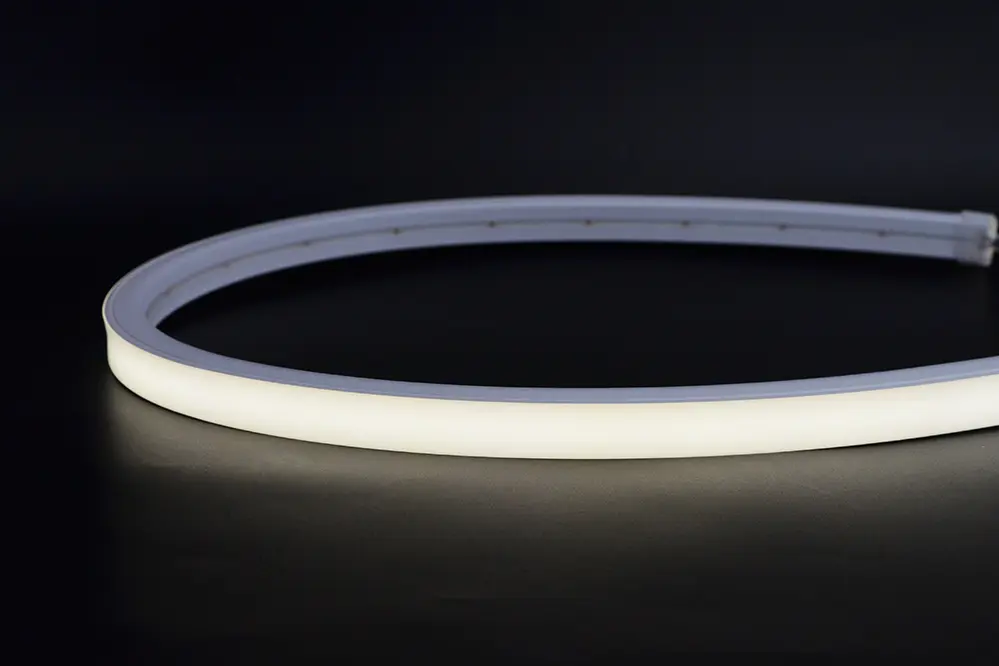
Subtle, efficient, and incredibly versatile, the LED flexible strip is one of the most transformative innovations in modern lighting. Once seen as a niche solution for accent lighting, LED strips are now the foundation of sophisticated design systems used in architecture, hospitality, retail, and art installations.
These slim, adaptable ribbons of light can be seamlessly integrated into nearly any environment — lining ceilings, tracing furniture, highlighting textures, or creating dynamic effects in public spaces. The magic lies in their ability to disappear into the design, providing continuous, even illumination without visible fixtures or bulky housings.
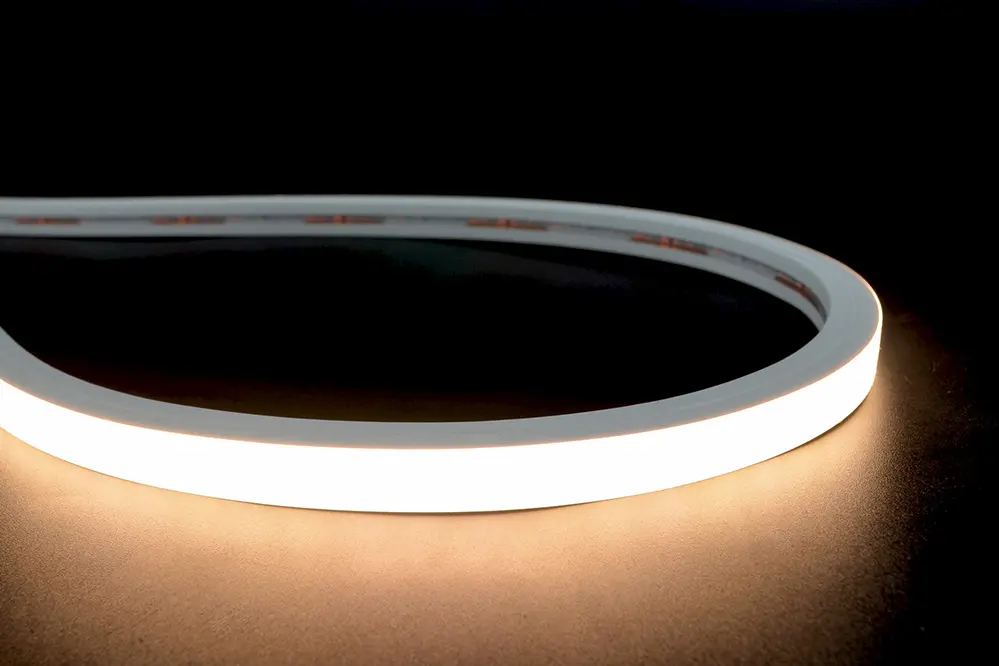
For projects that demand flawless precision, the COB LED strip has become a favorite among professionals. Its seamless light output eliminates visible dots, producing a soft, uninterrupted glow that’s perfect for minimalist interiors or high-end retail environments. Meanwhile, High Density LED strips offer unparalleled brightness and uniformity, ideal for large-scale architectural applications or custom installations that require both aesthetic excellence and technical reliability.
The LED strip is more than a light source — it’s a design language. Every line, curve, and gradient becomes a stroke in a visual symphony that defines the atmosphere of a space.
The Drama and Dimension of LED Neon Flex
If LED strip lights whisper elegance, LED neon flex sings in color. It’s bold, expressive, and full of personality — a reinvention of the classic neon glow that once defined the skylines of the 20th century.
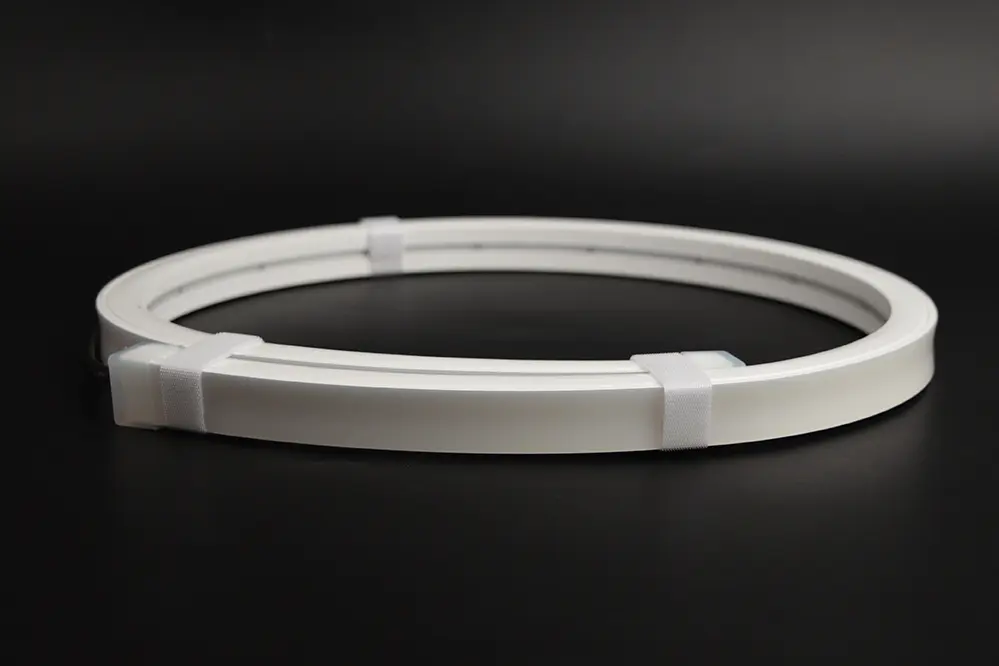
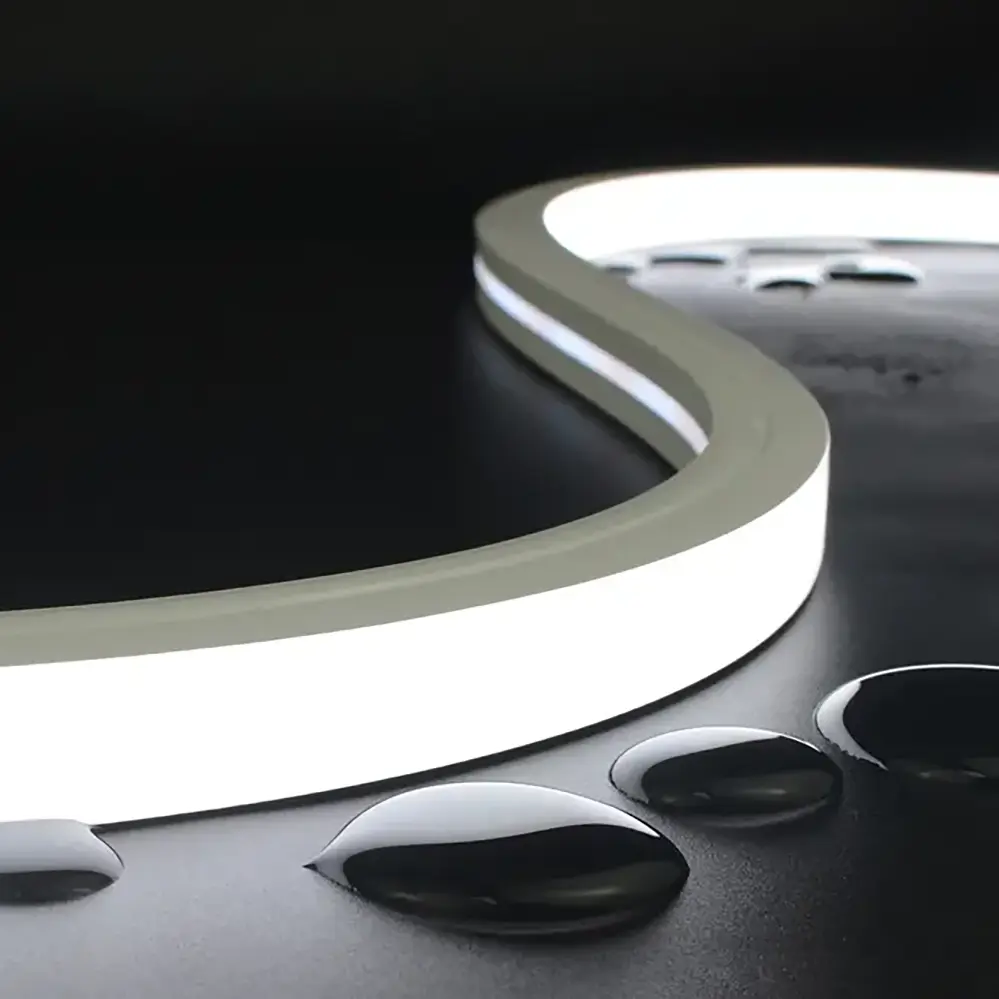
Unlike fragile glass neon, the LED neon flex is flexible, durable, and energy-efficient. It replicates that nostalgic, continuous glow — but with modern advantages: no gas, no breakage, no maintenance headaches. Designers can now bend, twist, and shape neon into virtually any form, whether it’s a cursive logo, an architectural outline, or a dynamic piece of light art.
For architectural integration, innovations like Top Bend LED neon flex and Side Bend LED neon flex provide extraordinary control over direction and flexibility, allowing light to follow every contour of a building or interior element. For immersive designs, the 360 Degrees LED neon flex creates stunning cylindrical illumination that feels alive — perfect for sculptures, installations, or futuristic environments.
LED neon flex bridges the gap between art and engineering. It’s a medium for storytelling through light — equally suited for contemporary art galleries, cutting-edge retail spaces, or the glowing façades of modern cities.
Beyond Beauty: Efficiency and Intelligence
While their aesthetic potential captures the imagination, LED technologies also deliver tangible performance benefits. They consume significantly less energy than traditional incandescent or fluorescent systems, while offering much longer lifespans — often exceeding 50,000 hours.
This makes LED strips and neon flex not only beautiful but sustainable. Architects and lighting designers are increasingly prioritizing them in eco-conscious projects, where energy efficiency is as important as visual impact.
Paired with smart controls, LEDs can adapt to the rhythms of life and the natural world. Imagine a home that subtly adjusts its color temperature throughout the day — cool in the morning for focus, warm at dusk for relaxation. Or a retail store where dynamic lighting highlights products and influences mood. Light, in this new era, becomes responsive, personal, and alive.
Lighting as Emotion and Experience
In design, light is emotion made visible. It directs how we perceive a space and how we feel within it. A softly glowing LED strip under a stairway can create serenity. A vivid neon flex installation on a wall can spark wonder or excitement.
This emotional power is why lighting has become a central narrative in architecture and interior design. It’s not just about visibility — it’s about experience. In a museum, light accentuates meaning. In a restaurant, it shapes intimacy. In a cityscape, it defines identity.
LED strip lights and neon flex allow designers to compose these experiences with incredible precision. Every lumen has intention, every reflection a purpose. The result is design that connects with people on both a visual and emotional level.
Case Studies in Light
Consider a modern boutique that uses COB LED strips to create a floating illusion along display shelves, drawing the eye toward the product without distraction. Or a seaside resort façade lined with Side Bend LED neon flex that mirrors the flowing rhythm of waves — visible from miles away.
In public art installations, 360-degree neon flex has been used to form sculptural forms that seem to dance in the night sky. And in luxury homes, LED flexible strips tucked into coves and behind mirrors create ambient warmth without ever revealing the source.
These examples showcase a truth that lighting designers have long understood: when used thoughtfully, light doesn’t just enhance a space — it transforms it.
The Future Is Flexible
As urban environments evolve and technology advances, lighting design will continue to push boundaries. The next generation of LED solutions will be more adaptive, sustainable, and interactive than ever before — integrating seamlessly with architecture and human behavior.
Leading manufacturers like Unitop (China) Co., Limited are at the forefront of this innovation, developing high-quality LED strip and neon flex solutions for projects around the world. Their expertise lies not only in engineering excellence but in understanding the artistic potential of light — and empowering designers to realize it fully.
Conclusion: Light as a Living Art
LED strip lights and LED neon flex represent more than technological progress — they symbolize a new philosophy of design. One where form and function, efficiency and expression, merge into luminous harmony.
Light is no longer static. It bends, flows, and responds. It enhances architecture, evokes emotion, and gives identity to space. Whether you’re an architect crafting a façade, a designer creating atmosphere, or an artist shaping experience, the tools of modern illumination are now in your hands.
To explore the future of lighting or collaborate on your next design project, visit Contact and connect with the experts at Unitop (China) Co., Limited. Because when you master light — you shape the world around it.
















Sign in to leave a comment.