
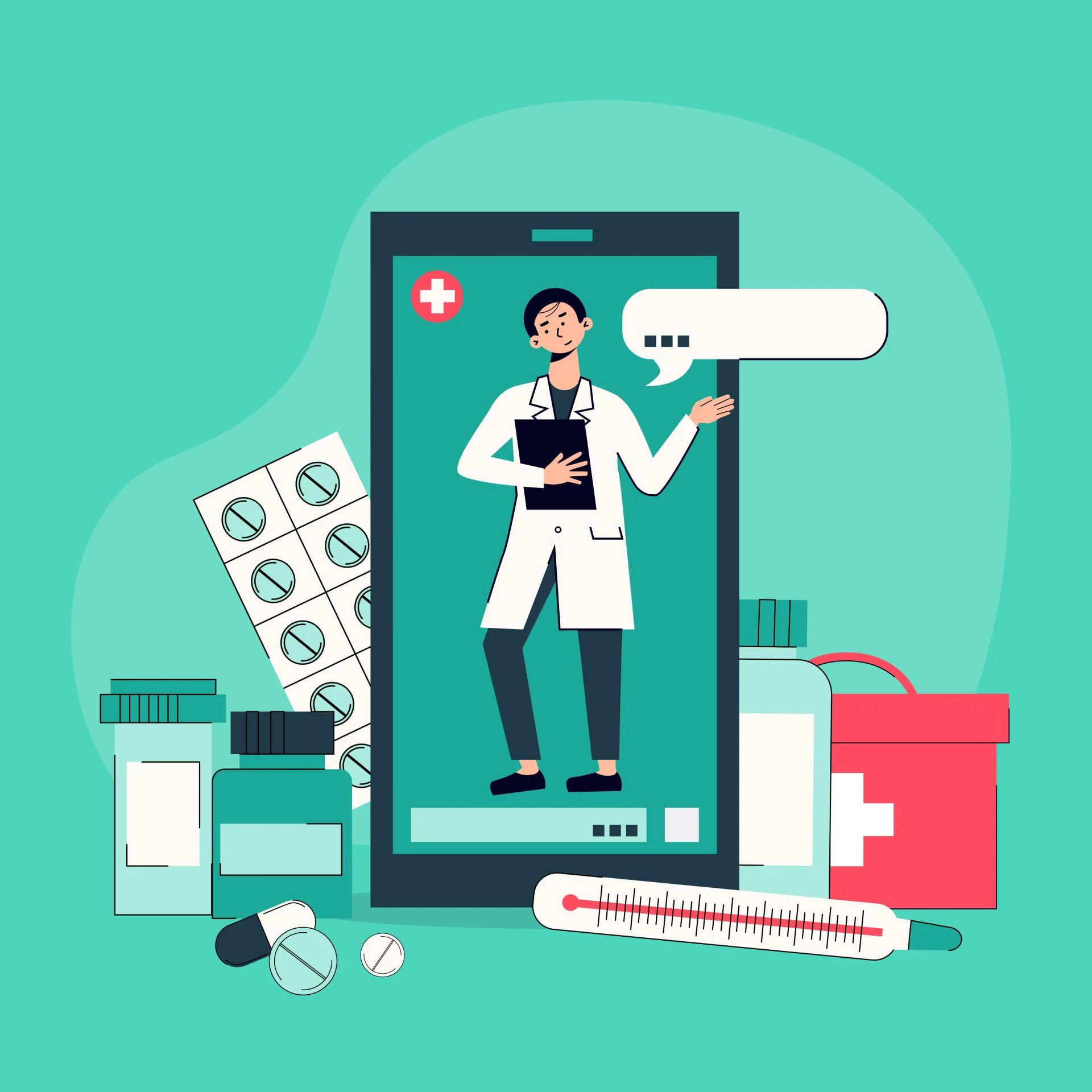
In recent years, the healthcare industry has witnessed a remarkable transformation fueled by advancements in technology. One of the most promising developments is the integration of Artificial Intelligence (AI) into healthcare apps. From improving diagnostic accuracy to personalized treatment recommendations, AI-powered healthcare apps are revolutionizing patient care. In this blog post, we'll explore the impact of AI in healthcare app development and how it's reshaping the landscape of diagnosis and treatment.
Understanding AI in Healthcare Apps
Artificial Intelligence refers to the simulation of human intelligence processes by machines, particularly computer systems. In healthcare, AI algorithms analyze complex medical data, identify patterns, and generate insights to support clinical decision-making. When integrated into healthcare apps, AI capabilities enable a wide range of functionalities, including diagnostic assistance, predictive analytics, and personalized treatment planning.
Diagnostic Assistance: Enhancing Accuracy and Efficiency
One of the most significant contributions of AI in healthcare apps is its ability to assist in diagnosis. By analyzing medical images, laboratory results, and patient records, AI algorithms can identify subtle patterns and abnormalities that may not be apparent to the human eye. For example, in radiology, AI-powered imaging analysis can help detect early signs of diseases such as cancer, cardiovascular conditions, and neurological disorders with greater accuracy and efficiency.
Moreover, AI-driven diagnostic tools can streamline the diagnostic process by prioritizing urgent cases, reducing turnaround times, and minimizing diagnostic errors. Healthcare apps equipped with AI algorithms empower clinicians to make more informed decisions, leading to better patient outcomes and improved overall efficiency in healthcare delivery.
Predictive Analytics: Anticipating Health Risks and Outcomes
Another valuable application of AI in healthcare apps is predictive analytics. By analyzing large volumes of patient data, including demographics, medical history, and lifestyle factors, AI algorithms can identify individuals at risk of developing certain conditions or experiencing adverse health events. For instance, predictive models can help healthcare providers anticipate complications in patients with chronic diseases management, such as diabetes, heart disease, or hypertension, and intervene proactively to prevent exacerbations.
Furthermore, AI-powered predictive analytics can support population health management initiatives by identifying trends and patterns across patient populations. Healthcare apps equipped with predictive modeling capabilities enable healthcare organizations to allocate resources more effectively, implement targeted interventions, and improve the overall health of their communities.
Personalized Treatment Planning: Tailoring Care to Individual Needs
Personalization is a key principle in modern healthcare, and AI plays a crucial role in delivering personalized treatment recommendations. By analyzing patient-specific data, including genetic information, biomarkers, and treatment responses, AI algorithms can generate personalized care plans tailored to everyone's unique needs and preferences.
Challenges and Considerations in AI-powered Healthcare App Development
While the potential benefits of AI in healthcare apps are undeniable, there are also challenges and considerations that developers must address to ensure the responsible and ethical use of AI technology in patient care.
Data Privacy and Security: Healthcare apps that leverage AI rely on vast amounts of sensitive patient data, including personal health information (PHI) and medical records. Therefore, ensuring robust data privacy and security measures is paramount to protect patient confidentiality and comply with regulatory requirements, such as the Health Insurance Portability and Accountability Act (HIPAA).
Algorithm Transparency and Interpretability: AI algorithms used in healthcare apps must be transparent and interpretable to facilitate trust and understanding among clinicians and patients. Developers should strive to create AI models that provide explanations for their predictions and recommendations, allowing users to understand the underlying reasoning behind the algorithm's decisions.
Bias and Fairness: AI algorithms are susceptible to biases inherent in the data used for training, which can result in disparities and inequities in healthcare delivery. Developers must carefully evaluate and mitigate biases in AI models to ensure fair and equitable outcomes for all patient populations.
Clinical Validation and Regulatory Compliance: Before deploying AI-powered healthcare apps in clinical settings, developers must conduct rigorous clinical validation studies to demonstrate the safety, efficacy, and accuracy of their algorithms. Additionally, healthcare apps must comply with regulatory requirements imposed by governing bodies such as the Food and Drug Administration (FDA) to ensure patient safety and quality of care.
Conclusion: Embracing the Promise of AI in Healthcare App Development
In conclusion, the rise of AI in healthcare apps represents a transformative shift in the way we approach diagnosis and treatment. By leveraging the power of artificial intelligence, healthcare apps can enhance diagnostic accuracy, predict health risks, and deliver personalized treatment recommendations, ultimately improving patient outcomes and quality of care.
However, the responsible development and deployment of AI-powered healthcare apps require careful consideration of ethical, legal, and regulatory considerations. Developers must prioritize data privacy and security, ensure algorithm transparency and interpretability, address biases and fairness concerns, and adhere to clinical validation and regulatory compliance requirements.
Overall, the future of healthcare app development is bright with possibilities, thanks to the transformative potential of AI. By embracing innovation, collaboration, and a commitment to ethical AI practices, we can harness the power of artificial intelligence to create healthcare apps that truly make a difference in the lives of patients and providers alike.



























Sign in to leave a comment.