
Introduction
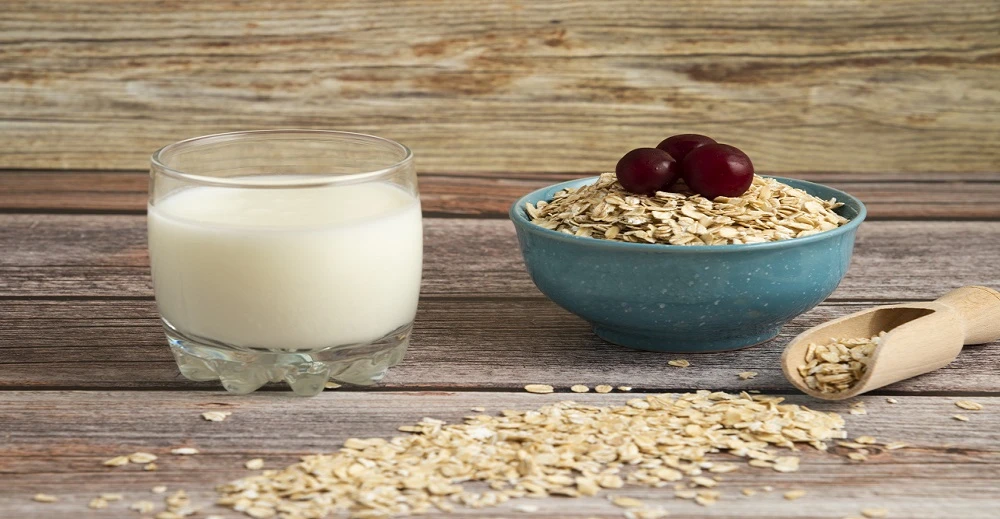
In recent years, oat milk has surged from a niche alternative to a mainstream staple, gracing coffee shop menus, supermarket shelves, and home refrigerators worldwide. This creamy, plant-based milk has captured the hearts of vegans, lactose-intolerant individuals, and environmentally conscious consumers alike. But what exactly is oat milk, and why has it become so popular? This article explores the origins, production, nutritional benefits, environmental impact, and cultural significance of oat milk, shedding light on why it’s more than just a passing trend.
A Brief History of Oat Milk
Oat milk’s story begins in the early 1990s in Sweden, where food scientist Rickard Öste developed it as a dairy alternative for those with lactose intolerance. Öste, working at Lund University, founded Oatly, the brand that would later become synonymous with oat milk. His innovation involved a process to extract liquid from oats, creating a milk-like beverage that was both nutritious and sustainable. Oatly’s early products were primarily aimed at the health-conscious and lactose-intolerant markets in Europe.
However, oat milk remained relatively obscure until the 2010s, when the global shift toward plant-based diets gained momentum. Concerns about dairy’s environmental footprint, ethical issues surrounding animal agriculture, and rising rates of lactose intolerance fueled demand for alternatives. Oat milk, with its creamy texture and versatility, emerged as a frontrunner. By 2016, Oatly expanded to the United States, and its Barista Edition became a favorite among coffee shops for its ability to froth like dairy milk. Today, oat milk is a global phenomenon, with countless brands entering the market and consumers embracing it in everything from lattes to baking.
How Oat Milk Is Made
The production of oat milk is relatively straightforward, which contributes to its affordability and scalability. The process begins with whole oats, which are soaked in water to soften them. These oats are then milled into a fine slurry, releasing starches and proteins. Enzymes, such as amylase, are often added to break down the starches into simpler sugars, enhancing sweetness and improving texture. The mixture is then filtered to remove solid residues, leaving behind a smooth, milky liquid.
To improve shelf life and flavor, manufacturers may add stabilizers, emulsifiers, or fortifying nutrients like calcium and vitamin D. Some brands also include oils (like rapeseed or sunflower) to achieve a creamier consistency, especially in barista blends. The final product is pasteurized or ultra-heat-treated (UHT) for safety and packaged for distribution.
While commercial oat milk often includes additives, homemade versions are simple to make. Blend rolled oats with water, strain through a cheesecloth, and add a pinch of salt or a sweetener like maple syrup. However, homemade oat milk lacks the shelf stability and consistency of store-bought varieties.
Nutritional Profile: Is Oat Milk Good for You?
Oat milk’s nutritional content varies by brand and fortification, but it generally offers a balanced profile for a plant-based milk. A typical 8-ounce (240 ml) serving of unsweetened oat milk contains approximately:
- Calories: 120–140
- Protein: 2–4 grams
- Fat: 5–7 grams (often from added oils)
- Carbohydrates: 16–20 grams (including 7–10 grams of sugars from oats)
- Fiber: 1–2 grams
- Micronutrients: Fortified versions may provide 20–50% of the daily recommended intake of calcium, vitamin D, vitamin B12, and other nutrients.
Compared to dairy milk, oat milk is lower in protein but higher in carbohydrates due to the oats’ natural starches. It’s naturally free of lactose, cholesterol, and saturated fats, making it a heart-healthy option. The beta-glucans in oats, a type of soluble fiber, are linked to improved cholesterol levels and heart health, a benefit not found in most other plant-based milks.
However, oat milk has drawbacks. Some commercial varieties contain added sugars, which can increase calorie content and negate health benefits. Additionally, those with gluten sensitivities should choose certified gluten-free oat milk, as oats are often processed in facilities that handle wheat. For people with celiac disease, cross-contamination is a concern.
When compared to other plant-based milks, oat milk stands out for its creaminess and mild, slightly sweet flavor. Almond milk is lower in calories but lacks oat milk’s fiber and fullness. Soy milk offers more protein but has a stronger taste. Rice milk is thinner and less nutrient-dense. Oat milk strikes a balance, making it a versatile choice for cooking, baking, and drinking.
Environmental Impact: A Sustainable Choice?
One of oat milk’s biggest selling points is its relatively low environmental footprint. Oats are a hardy crop that requires less water and land than almonds or dairy. According to a 2018 study by the University of Oxford, producing a liter of oat milk generates approximately 0.9 kg of CO2-equivalent emissions, compared to 3.2 kg for dairy milk and 4.1 kg for almond milk. Oats also thrive in cooler climates, reducing the need for irrigation and making them a sustainable crop in regions like Northern Europe and North America.
However, oat milk isn’t without environmental challenges. Large-scale oat farming can contribute to soil degradation if not managed sustainably. The energy-intensive processing of oat milk, including milling and pasteurization, adds to its carbon footprint. Additionally, many brands source oats globally, increasing transportation emissions. Packaging, often in non-recyclable cartons, is another concern, though some companies are adopting eco-friendly alternatives.
Compared to dairy, oat milk is a clear winner in terms of water usage and greenhouse gas emissions. Dairy farming requires vast amounts of water for cow feed and produces methane, a potent greenhouse gas. While almond milk is often touted as eco-friendly, its water-intensive cultivation in drought-prone regions like California offsets its benefits. Oat milk, when sourced responsibly, offers a middle ground for environmentally conscious consumers.
Cultural Significance and Market Trends
Oat milk’s rise reflects broader cultural shifts toward sustainability, health, and ethical eating. The plant-based movement, driven by millennials and Gen Z, has embraced oat milk as a symbol of conscious consumption. Social media platforms like Instagram and TikTok have amplified its popularity, with influencers showcasing oat milk lattes, smoothie bowls, and vegan recipes. Coffee shops, from Starbucks to local cafes, now offer oat milk as a standard option, often at a premium price.
Oatly remains the market leader, but competitors like Planet Oat, Chobani, and Califia Farms are gaining ground. Supermarkets now stock flavored varieties (chocolate, vanilla) and specialty blends for baristas or low-sugar diets. Read more information and insights related to the oat milk market.
Oat milk’s versatility extends beyond beverages. It’s a popular choice for vegan baking, sauces, and even ice cream, thanks to its neutral flavor and creamy texture. Its accessibility—oats are inexpensive and widely available—has made it a staple in both high-end cafes and budget-conscious households.
Challenges and Controversies
Despite its popularity, oat milk isn’t without criticism. Some health advocates argue that commercial oat milk is overly processed, with additives like oils and stabilizers raising concerns. In 2020, Oatly faced backlash over its decision to sell oat pulp byproducts to the pork industry, alienating some vegan consumers. Others criticize the brand for its high valuation and corporate partnerships, accusing it of straying from its sustainable roots.































Sign in to leave a comment.