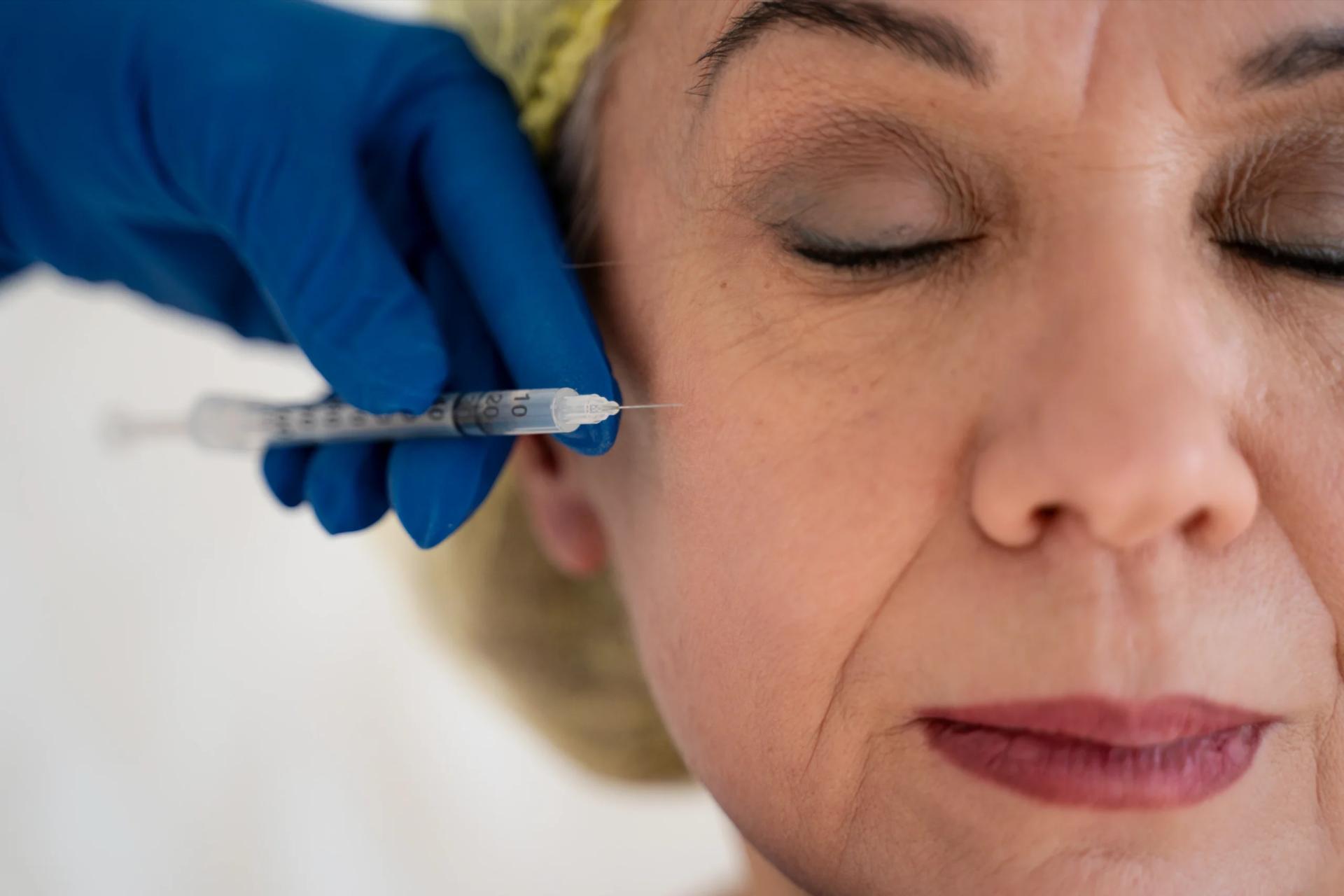

In the ever-evolving world of aesthetic medicine, polynucleotides are emerging as a powerful and innovative treatment option. Known for their regenerative and biostimulatory properties, polynucleotides are quickly gaining popularity as a natural, effective solution for skin rejuvenation. With their ability to improve skin texture, elasticity, hydration, and overall radiance, they are becoming a go-to treatment for individuals seeking non-surgical aesthetic enhancements.
What Are Polynucleotides?
Polynucleotides are biopolymers composed of nucleotide chains, the building blocks of DNA and RNA. In aesthetic treatments, they are typically derived from purified DNA fragments, often sourced from salmon or trout sperm due to their structural compatibility with human DNA. These substances are highly biocompatible and have strong regenerative effects on tissues. When injected into the skin, polynucleotides act as powerful stimulators of tissue repair and regeneration. They help to improve cellular function, support fibroblast activity (which boosts collagen and elastin production), and enhance skin hydration through increased extracellular matrix support. This makes them ideal for revitalising dull, ageing, or damaged skin.
How Do They Work?
Polynucleotides work through several mechanisms:
- Tissue Regeneration: They stimulate cell growth and proliferation, especially fibroblasts, which play a key role in the synthesis of collagen and elastin.
- Anti-Inflammatory Action: Polynucleotides help reduce oxidative stress and inflammation in the skin, leading to a calmer, healthier complexion.
- Hydration Boost: They support the extracellular matrix and enhance the skin’s ability to retain moisture, resulting in improved texture and plumpness.
- Improved Vascularisation: By encouraging microcirculation, they help nourish the skin from within, promoting a fresher, more radiant look.
Treatment Areas and Indications
Polynucleotide treatments are versatile and can be used across various parts of the body, including:
- Face: For fine lines, wrinkles, sagging skin, and dullness.
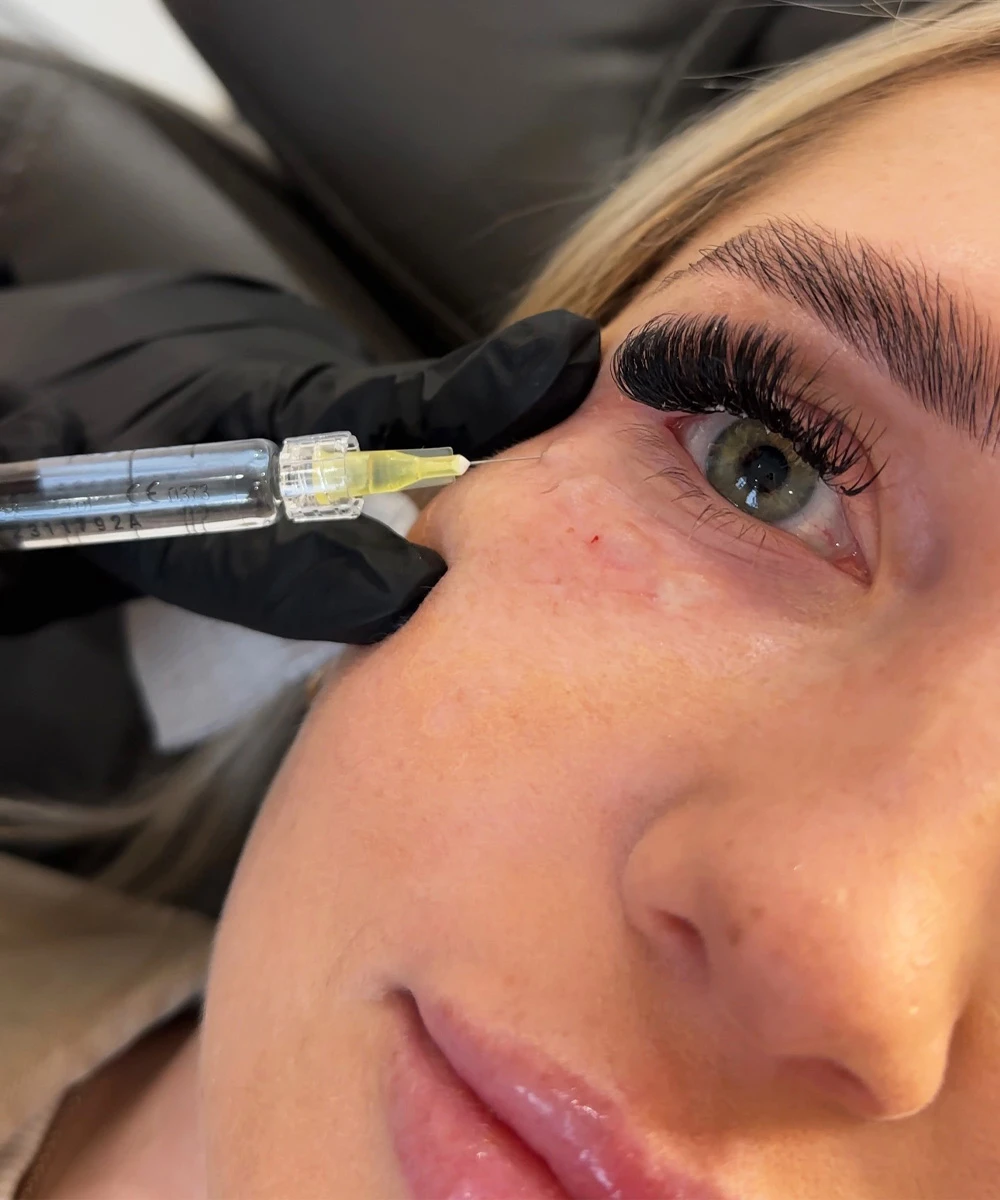
- Under-eye Area: To reduce dark circles, fine lines, and hollowness.
- Neck and Décolletage: To improve skin elasticity and texture.
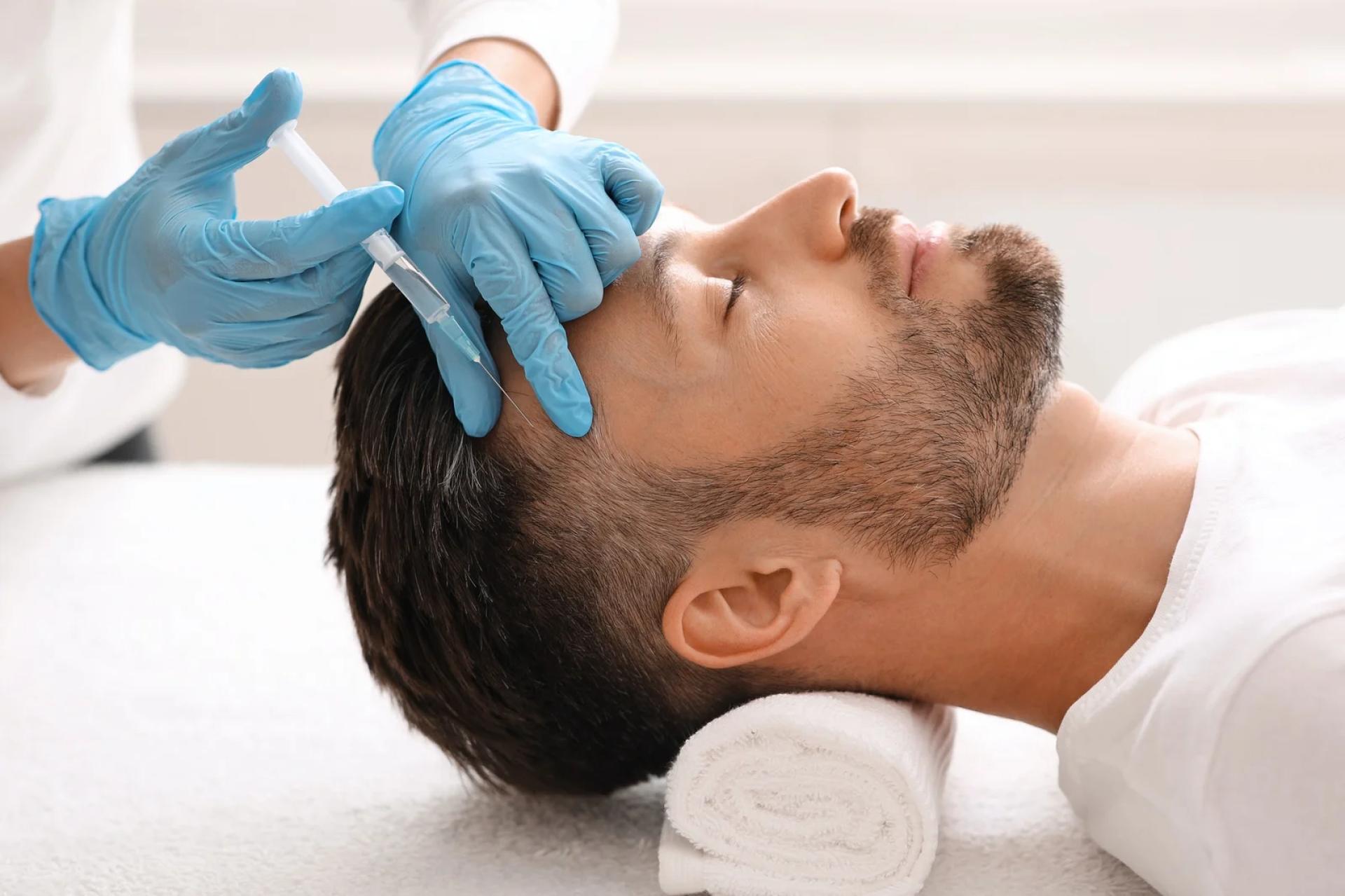
- Scalp: As part of hair restoration therapies, stimulating hair follicles and improving scalp health.
- Hands: To rejuvenate ageing, thin skin and reduce visible veins.
This treatment is especially effective for individuals with early signs of ageing, sun-damaged skin, or those seeking preventative measures without turning to more invasive procedures.
Treatment Process and Safety
A typical polynucleotide aesthetic treatment involves a series of microinjections into the targeted area. The procedure is relatively quick, often completed within 30–45 minutes. Minimal downtime is expected, with some mild redness or swelling possible at the injection sites, usually resolving within 24–48 hours.
The number of sessions required depends on the individual’s skin condition and desired outcome. Most treatment plans consist of 2–4 sessions spaced a few weeks apart, followed by maintenance treatments every 6–9 months.
Polynucleotide treatments are generally well-tolerated, with a low risk of allergic reaction or adverse effects due to their natural and biocompatible composition.
Benefits Over Other Aesthetic Treatments
Unlike dermal fillers, which primarily provide volume, or botulinum toxin, which reduces muscle activity, polynucleotides target the skin’s health at a cellular level. This regenerative approach offers a more natural-looking improvement and promotes long-term skin quality rather than temporary fixes.
They can also be combined with other treatments such as microneedling, mesotherapy, PRP (platelet-rich plasma), or even lasers for enhanced results.
The Future of Polynucleotides in Aesthetics
As the demand for natural, regenerative, and low-risk aesthetic treatments grows, polynucleotides are positioned to play a key role in the future of aesthetic medicine. Their ability to restore skin vitality without altering facial structure appeals to a broad audience, from younger individuals looking for preventative care to older clients seeking rejuvenation.
Their applications are also expanding, with ongoing research exploring their potential in wound healing, scar reduction, and post-procedural recovery, further highlighting their versatility.


























Sign in to leave a comment.