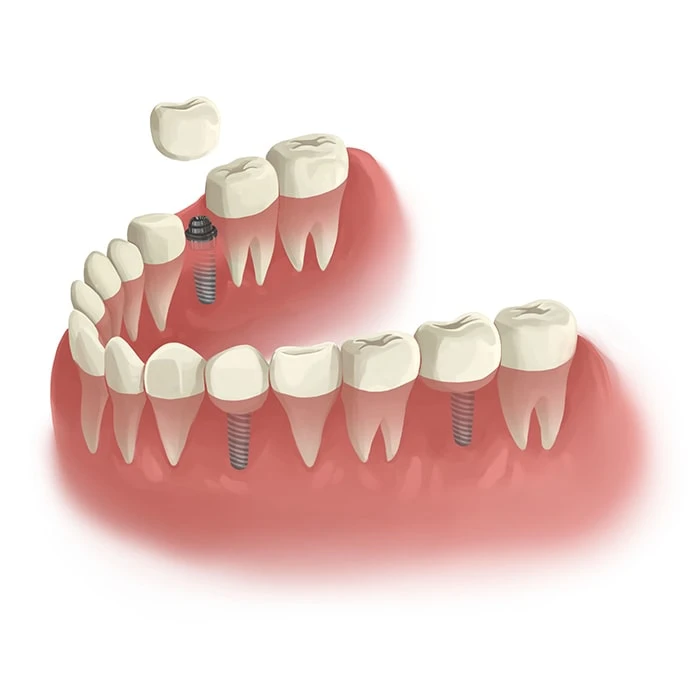

Impacted wisdom teeth are third molars without room to emerge or align properly in the mouth. When these teeth are not removed, they can lead to various dental and health issues. Understanding the potential risks of not addressing impacted wisdom teeth can help you decide whether or not to have them extracted. If you\'re considering wisdom tooth extraction in Mulund East, here’s an overview of the risks associated with leaving impacted wisdom teeth untreated:
Infection
Impacted wisdom teeth can create pockets where bacteria accumulate, leading to infections such as pericoronitis. This condition occurs when the gum tissue around the tooth becomes inflamed and infected. Symptoms may include pain, swelling, and difficulty opening the mouth.
Consequences: Untreated infections can spread, potentially leading to more serious complications, including the formation of abscesses, which are painful collections of pus that require immediate medical attention.Decay and Damage to Adjacent Teeth
An impacted wisdom tooth can press against neighboring molars, increasing the risk of tooth decay and damage. The pressure can also create difficult-to-clean areas, allowing plaque and bacteria to build up.
Consequences: This can lead to cavities or damage to the surrounding teeth, potentially necessitating more extensive dental work or even the loss of adjacent teeth.Gum Disease
The presence of impacted wisdom teeth can contribute to gum disease, also known as periodontal disease. This condition occurs when plaque and bacteria cause inflammation and infection of the gums.
Consequences: If gum disease is not treated, it can lead to more severe issues such as gum recession, bone loss, and eventually tooth loss. Gum disease also contributes to bad breath and may cause discomfort while chewing.Cysts and Tumors
In some cases, impacted wisdom teeth can lead to the formation of cysts or tumors. Cysts are fluid-filled sacs that can develop around the affected tooth and may cause damage to the surrounding bone and teeth.
Consequences: Cysts can lead to bone loss and damage to nearby teeth. While tumors are less common, they can be more serious and may require surgical intervention.Crowding and Misalignment
As impacted wisdom teeth try to emerge, they can exert pressure on neighboring teeth. This pressure can lead to shifting and crowding, affecting the alignment of your bite.
Consequences: Misaligned teeth can impact your ability to chew properly, and orthodontic treatment may be required to correct the alignment issues caused by the impacted teeth.Jaw Pain and Discomfort
Impacted wisdom teeth can cause chronic pain and discomfort in the jaw. This can result from pressure on the surrounding teeth and gums or infection and inflammation.
Consequences: Persistent jaw pain can affect your quality of life, making eating and speaking uncomfortable. In severe cases, it may also contribute to temporomandibular joint (TMJ) disorders.Sinus Issues
For upper wisdom teeth, impaction can sometimes affect the sinus cavities. The roots of these teeth are located near the sinuses, and pressure from impacted teeth can lead to sinus pain or sinus infections.
Consequences: Sinus issues may present as sinus headaches, nasal congestion, or facial pain, complicating your overall health and comfort.Increased Risk of Complications
If an impacted wisdom tooth is left untreated, the risk of needing more complex procedures later increases. For instance, if an infection or cyst develops, more invasive surgery might be required to address these complications.
Consequences: Early extraction of impacted wisdom teeth can often be performed with fewer complications and less recovery time than more complicated procedures if issues arise later.
Making the Decision to Remove Impacted Wisdom Teeth
Consultation: It’s important to consult with a dentist or oral surgeon if you suspect your wisdom teeth are impacted. They can evaluate your condition with X-rays and clinical examinations to determine the best action.
Evaluation: Your dental professional will assess the position of your wisdom teeth, the potential risks, and the benefits of removal. They will help you understand whether extraction is necessary to prevent future problems.
Prevention: Regular dental check-ups can help monitor the status of your wisdom teeth and catch any potential issues early. Addressing impacted wisdom teeth before complications can lead to a smoother and less painful process.
Conclusion
Leaving impacted wisdom teeth untreated can lead to complications, from infections and tooth decay to more serious conditions like cysts and misalignment. By understanding these risks and consulting with your dental professional, you can decide whether removal is necessary. Proactive management of impacted wisdom teeth can help prevent discomfort, preserve oral health, and avoid more complex dental issues in the future. If you have concerns about your wisdom teeth or their impact on your health, don’t hesitate to seek professional advice.



























Sign in to leave a comment.