

Islamic secondary schools play a vital role in shaping confident, knowledgeable, and morally grounded young Muslims during one of the most important stages of their lives. Secondary education is not only about academic progress; it is also a time when students develop their identity, values, and sense of purpose. An Islamic secondary school provides an environment where faith, character, and academic excellence are nurtured together, preparing students for both worldly success and spiritual growth.

What Is an Islamic Secondary School?
An Islamic secondary school is an educational institution that follows the national curriculum while integrating Islamic teachings, values, and practices into daily school life. Students receive a high standard of secular education alongside Islamic studies, Qur’an education, and character development based on the principles of Islam. This balanced approach ensures that students are well-prepared for further education, careers, and responsible citizenship while remaining connected to their faith.
Academic Excellence and National Curriculum
One of the key strengths of Islamic secondary schools is their commitment to academic achievement. These schools follow recognised national curricula, ensuring students meet required educational standards in subjects such as mathematics, science, English, humanities, and technology. Many Islamic secondary schools consistently achieve strong examination results, demonstrating that faith-based education and academic excellence can go hand in hand.
Qualified teachers, structured learning environments, and high expectations help students develop critical thinking, problem-solving skills, and a love for learning. This solid academic foundation enables graduates of Islamic secondary schools to progress confidently into higher education, apprenticeships, or professional careers.
Integration of Islamic Studies
In addition to mainstream subjects, Islamic secondary schools offer structured Islamic studies programmes. These often include Qur’an recitation and memorisation, Tafsir (Qur’anic explanation), Hadith, Fiqh (Islamic jurisprudence), Seerah (life of the Prophet Muhammad ﷺ), and Islamic history. Learning these subjects in a systematic way helps students understand Islam beyond rituals, fostering deeper knowledge and appreciation of their faith.
By linking Islamic teachings to everyday life, students learn how to apply Islamic values such as honesty, justice, compassion, and responsibility in real-world situations. This integration supports the development of well-rounded individuals who can navigate modern society with confidence and integrity.
Moral and Character Development
Secondary school years are critical for character building. Islamic secondary schools place strong emphasis on good manners (Akhlaq), discipline, respect, and personal responsibility. Through daily prayers, assemblies, role modelling by staff, and a values-based curriculum, students are encouraged to develop strong moral character.
This focus on ethics helps students make positive choices, build healthy relationships, and develop resilience in the face of challenges. Parents often value Islamic secondary schools for providing a safe and supportive environment where their children can grow academically while staying grounded in Islamic morals.
A Supportive and Inclusive Environment
Islamic secondary schools aim to create a nurturing environment where students feel a strong sense of belonging. Sharing similar values and practices, such as prayer and modesty, allows students to feel comfortable expressing their identity without fear of misunderstanding or discrimination.
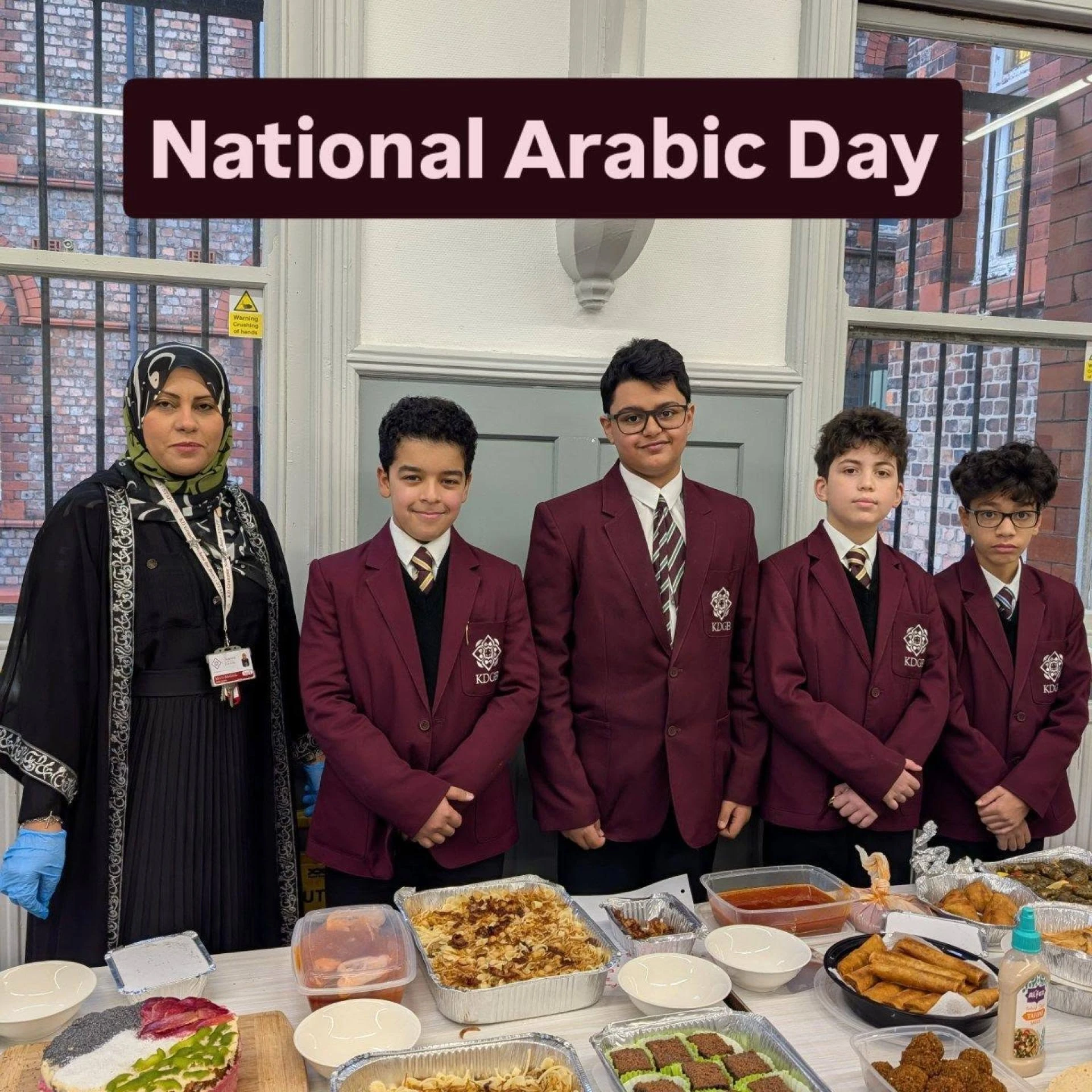
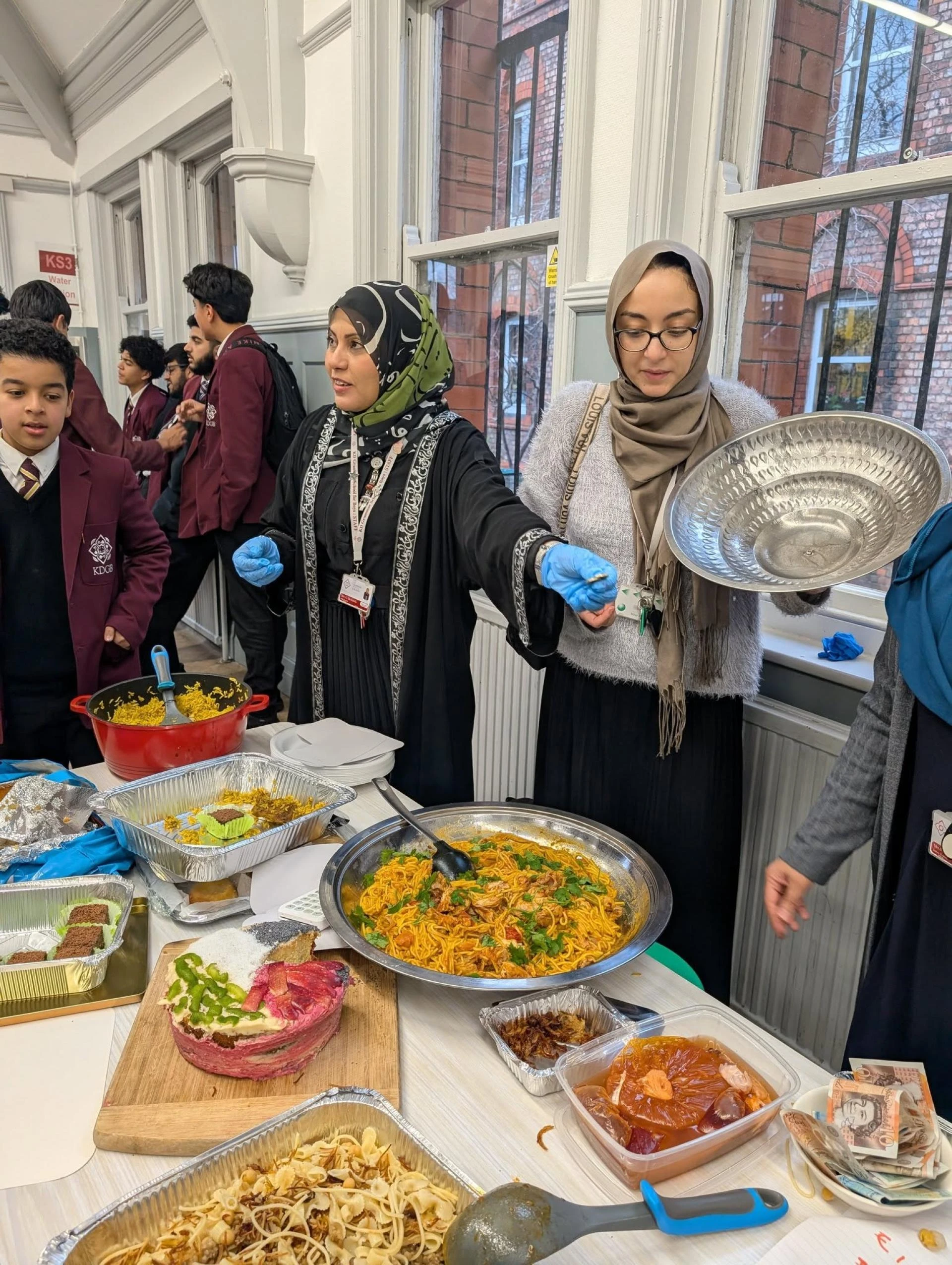
At the same time, many Islamic secondary schools promote respect for diversity and encourage engagement with the wider community. Students learn to be confident Muslims who contribute positively to society, understand different perspectives, and uphold mutual respect.
Preparing Students for the Future
An Islamic secondary school does more than prepare students for exams; it prepares them for life. Career guidance, leadership opportunities, extracurricular activities, and community service are often key parts of school life. Students are encouraged to develop communication skills, teamwork, and leadership qualities that will benefit them in higher education and future careers.
By combining faith, knowledge, and practical skills, Islamic secondary schools help students become responsible adults who are ready to face the challenges of the modern world while staying true to their Islamic identity.
Conclusion
Islamic secondary schools play an essential role in providing a balanced education that nurtures both the mind and the soul. By combining academic excellence with Islamic teachings and strong moral values, these schools help students grow into confident, principled, and successful individuals. For families seeking an education that supports faith, character, and future aspirations, an Islamic secondary school offers a meaningful and holistic pathway for the next generation.


























Sign in to leave a comment.