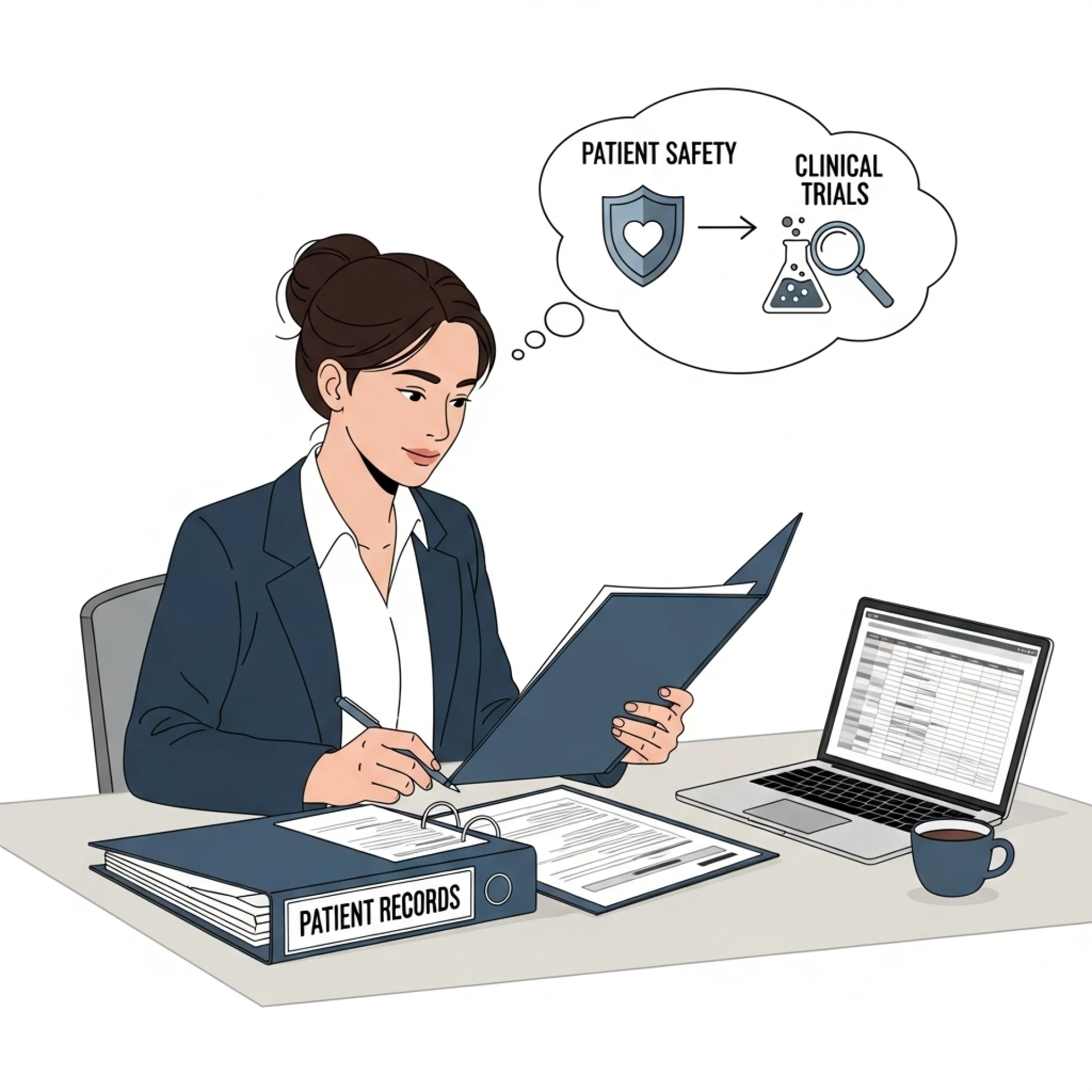

Clinical research plays a big part in finding new treatments and improving healthcare. It is not just about working in a lab or testing medicines it involves many steps to ensure that every treatment is safe and works well for patients one key person in this process is the Clinical Research Associate (CRA). CRAs are responsible for making sure that clinical trials are run properly, follow guidelines and protect the safety of all participants. Many students who are interested in this field start by taking a clinical research course to learn about the basic rules, study processes and ethical aspects of this important work.
A CRA works as the link between the research sponsor such as a pharmaceutical company and the research sites like hospitals or clinics they are involved in all stages of a clinical trial from planning and starting a study to checking its progress and helping to finish it their main job is to visit the study sites regularly and monitor how the trial is being carried out. They review documents, make sure the data is correct and ensure that everything is done according to the trial protocol and government rules. It is a job that needs attention to detail, clear communication and a good understanding of medical and scientific terms.
What Does a Clinical Research Associate Do?
The daily tasks of a CRA can change depending on the type of trial the size of the study and the phase of the research but in general CRAs help prepare the research sites before the study begins. They make sure the staff is trained, equipment is ready and everything is set up to run the trial smoothly once the study begins CRAs monitor the site by reviewing data that is collected from patients checking that consent forms are filled properly and ensuring that no safety steps are missed.
This role is not always office based CRAs often travel to different research sites they may have to work with doctors, nurses, data managers and even patients so strong people skills are important. CRAs are trained to notice problems early if they see anything that could harm the patient or affect the results of the trial they must report it immediately.
For those who want to become CRAs there are several options many people begin by earning a diploma in clinical research or a related field this helps them understand how clinical trials work, including the rules and paperwork that must be followed. Some CRAs also choose to earn a certification in clinical research which shows they meet professional standards and are ready for job responsibilities. Today, you can also find an online clinical research course that fits your schedule and helps you build the needed skills from home.
Training and Growth in Clinical Research Careers
Becoming a CRA is not only about learning what to do it is also about practicing those skills clinical research training is a vital part of preparing for this career. In training programs, students learn how to read and write trial protocols, follow safety rules and track data in the right way. These training sessions also help students understand how to deal with patients keep accurate records and solve problems during a trial.
A good training program teaches more than theory it gives students a feel of real situations, like visiting hospitals, attending trial meetings or managing research reports. Many clinical research training offer internships so students get a chance to apply what they have learned in the classroom to real life clinical trial settings. This hands on learning is one of the best ways to build confidence and skills that employers value.
As the demand for new drugs and vaccines grows, so does the need for skilled CRAs new graduates, especially those from pharmacy, life sciences or healthcare backgrounds are choosing this career path. It offers good pay, chances to travel and the satisfaction of knowing your work helps save lives. The career path can also lead to other roles in clinical operations, project management or drug safety.
Career Path and the Need for Skilled Associates
The work of a CRA continues to be important as clinical trials become more complex with more countries taking part in global research studies the need for skilled associates who understand international guidelines is increasing. CRAs must keep learning and growing in their roles new laws, software tools and safety methods are often introduced so regular training and updates are needed.
Technology is also changing how clinical research is done. Remote monitoring, digital records and virtual patient visits are becoming more common a CRA today might not visit every site in person they may check data online or through video calls. Still, the responsibility stays the same protect patient safety and make sure the trial results are reliable.
Another growing trend is the focus on patient centered research that means making sure patients are comfortable, respected and informed. CRAs help ensure this by checking how well study staff talk to patients and handle their care during the trial. It is not only about collecting data it is about creating trust in the research process.
To stay ahead in this field, it is helpful to keep learning an online clinical research course can help working professionals upgrade their skills without leaving their jobs. These courses are flexible and cover new topics like data analysis, ethics and global regulations. They are also a good option for people returning to work after a break or switching careers.
The Value of Institutions and Support
Behind every CRA is a support system that includes educators, mentors and institutions that offer proper learning a reliable clinical research institute plays an important role in preparing students for success. These institutes provide structured programs, expert teachers and industry connections they help students understand the latest practices and prepare them for job interviews, exams and real work challenges.
Institutes that focus on practical training, updated curriculum and job placement services give students a strong start in their careers. Choosing the right clinical research institute can make a big difference especially for freshers who are entering the field for the first time it builds the foundation for a long-term career in clinical trials and beyond.
In conclusion, a Clinical Research Associate holds a key role in bringing new treatments to patients safely and efficiently. They help bridge the gap between drug development and patient care with proper training the right courses and strong support from a reliable institute anyone passionate about science and healthcare can build a meaningful career as a CRA. The work may be demanding but it also brings the reward of helping improve lives around the world.

























Sign in to leave a comment.