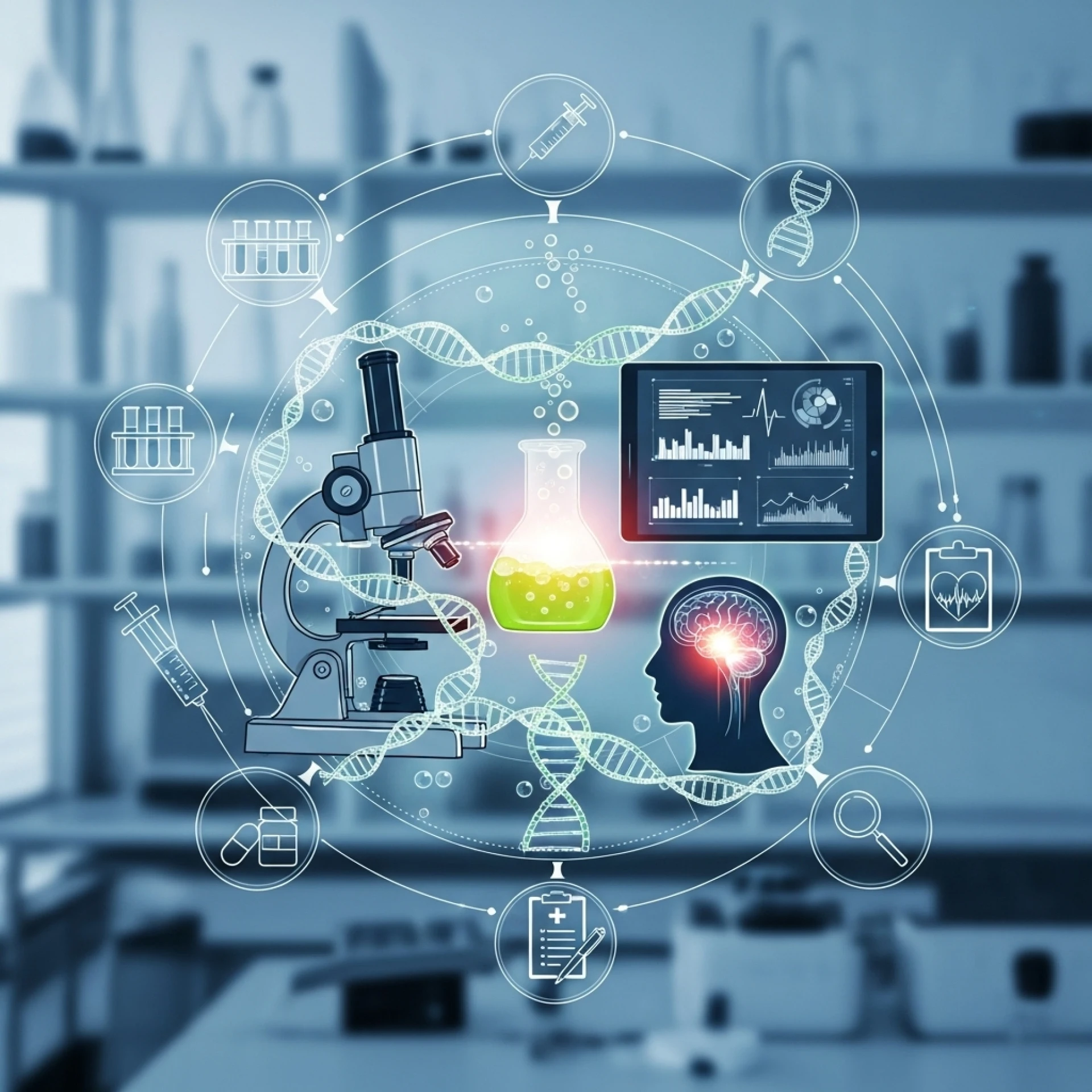

Many people think that once a medicine is sold in shops the work of scientists is over however, the most important work often begins after the drug reaches the public; this process is called Pharmacovigilance. It is the science of monitoring the safety of medicines to prevent harm to patients students who take a clinical research course in India spend a large part of their time learning this subject. It is the safety net of the healthcare world ensuring that every pill or injection is as safe as possible for everyone.
1. What Exactly is Pharmacovigilance?
The word sounds complex, but the meaning is simple pharmakon means drug and vigilare means to keep watch together they mean keeping watch over drugs.
In simple terms, when a patient takes a medicine and feels a side effect like a headache, a rash or an upset stomach that information needs to be recorded. Pharmacovigilance is the system that collects these reports from all over the world, analyzes them and decides if a medicine needs a new warning label or if it should be taken off the market entirely.
2. Why We Can not Only Rely on Lab Tests
Before a drug is approved it is tested on a few thousand people in controlled trials while this is helpful, it does not show the full picture once a drug is released, millions of people start using it. Some of these people might be very old, some might be pregnant and others might be taking five other medicines at the same time.
Pharmacovigilance studies how the drug acts in the real world across a much larger and more diverse group of people. This helps doctors find rare side effects that might only happen to one person in a million.
3. The Role of Healthcare Education
In medical and pharmacy schools, students are taught that their duty does not end with a prescription they learn that they are the eyes and ears of the safety system.
Education in this field focuses on:
Identification: How to spot a side effect that might be linked to a drug.
Reporting: How to fill out the correct forms to alert the government.
Analysis: Understanding if a health problem was caused by the drug or by something else like a patients existing illness.
4. How Reports Are Collected
There are several ways the safety data reaches the experts.
Spontaneous Reporting: This is when a doctor or a patient voluntarily calls the company or the government to report a problem.
Post-Marketing Studies: These are organized surveys where researchers follow thousands of patients for years to see how they are doing.
Digital Databases: Modern systems use computers to scan hospital records for patterns of illness that might be linked to a specific new treatment.
5. Protecting the Public
The ultimate goal of studying this subject is public safety when a pattern of side effects is found the authorities take action they might:
Add a warning to the box so doctors know who should not take the drug.
Change the dose to make it safer.
Inform the public through news alerts.
In rare cases if the risk is too high they stop the sale of the drug immediately this constant monitoring saves thousands of lives every year.
6. Growth in a Career in Clinical Research
As the global population grows and more medicines are created the need for safety experts is rising this is why a career in clinical research is a top choice for science graduates.
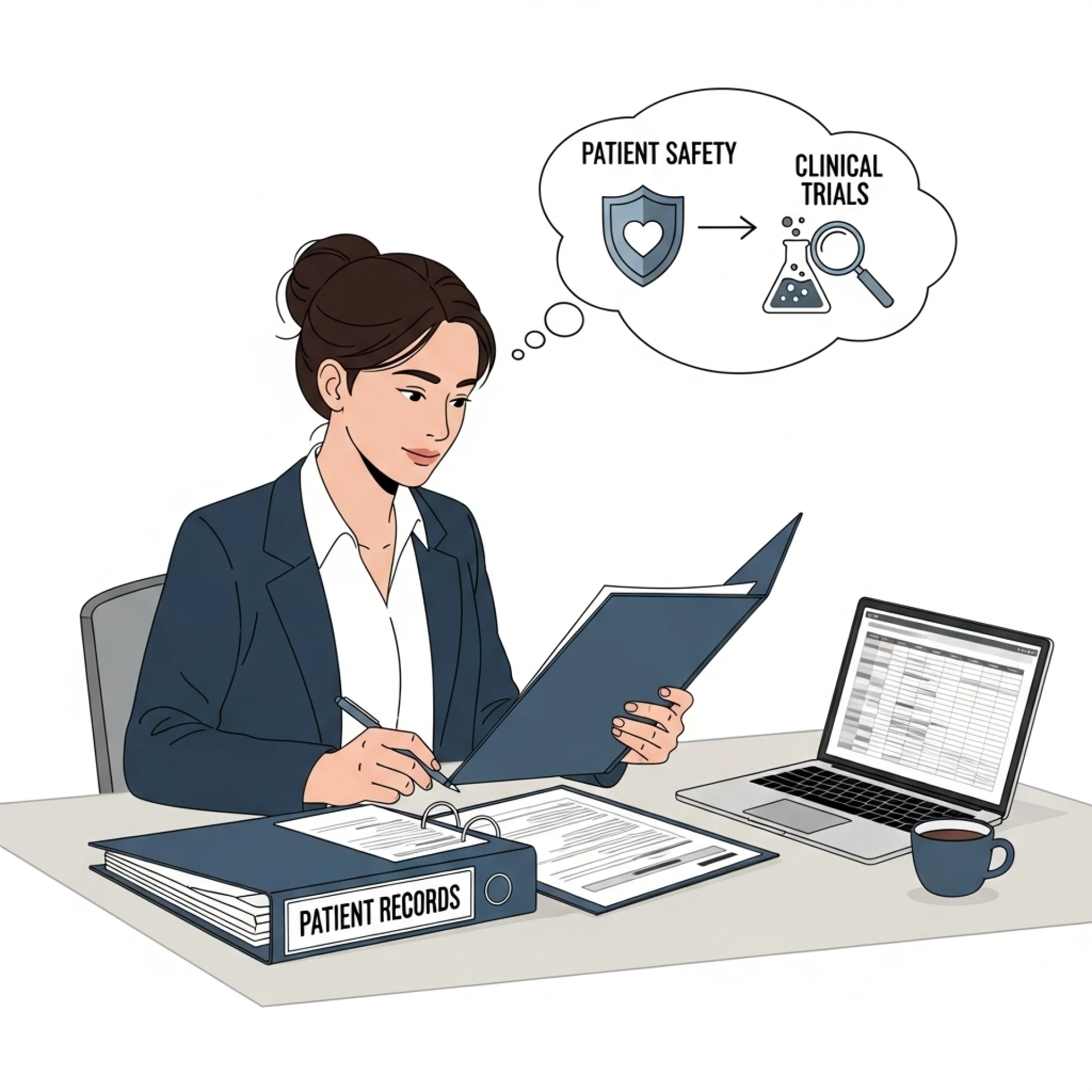
You can work as a drug safety associate where your main job is to read patient reports and decide if they are serious it is a role that requires great attention to detail and a strong sense of ethics. You are not just looking at data; you are looking at the health and lives of real people.
7. The Global Connection
Pharmacovigilance is a global effort a side effect reported in India might help a doctor in London or New York students learn that they are part of an international network. Organizations like the world health organization (WHO) collect data from almost every country. This teamwork ensures that if a drug is dangerous in one place the rest of the world finds out quickly.
8. Summary of Key Safety Tasks
| Task | What Happens | Why it Matters |
|---|---|---|
| Case Processing | Entering patient data into a system. | Creates a clear record of the event. |
| Signal Detection | Looking for patterns in the data. | Finds rare side effects early. |
| Risk Management | Creating safety plans. | Prevents future harm to patients. |
| Labeling | Updating the drug's "manual." | Keeps doctors and patients informed. |
9. Technology in Safety Monitoring
Today, smart software helps researchers do their jobs faster AI can scan millions of reports to find signals or warnings however, a human expert must always check these signals. The software might find a pattern but only a trained professional can understand the medical reason behind it education now focuses on teaching students how to use these digital tools to stay one step ahead of potential health risks.
10. Starting Your Journey
For those who want to enter this field choosing the right training is the first step you need a place that teaches you the current laws and the newest software. A well known clinical research training institute will provide the practical skills needed to handle real world safety cases.
By learning the science of keeping watch, you become a vital part of the healthcare system you help ensure that while medicine moves forward, patient safety never falls behind. It is a rewarding path for anyone who wants to combine their love for science with a desire to protect their community.
























Sign in to leave a comment.