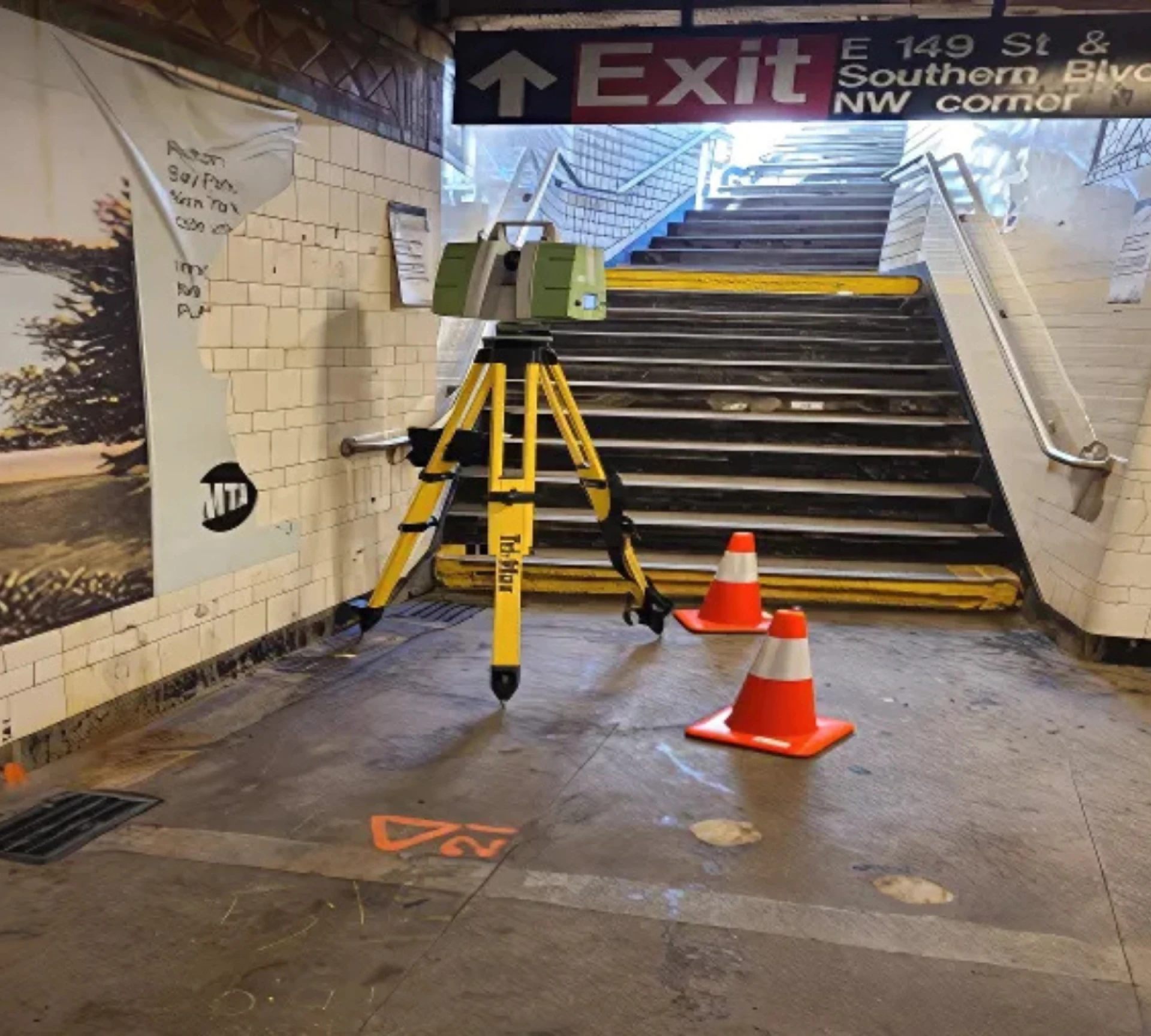

Understanding the Foundation of Early-Stage Project Intelligence
Construction projects succeed or fail long before equipment reaches the site. Early planning shapes schedules, budgets, and risk exposure in measurable ways. A structured approach to gathering verified site data forms the backbone of informed decision-making. Precon survey plays a critical role in this stage by documenting existing site conditions before final design approval or construction mobilization begins. Clear boundary lines, confirmed elevations, and recorded utilities provide the clarity needed for responsible planning. Without this foundation, even experienced teams may face preventable financial and logistical setbacks.
Why Accurate Site Intelligence Matters?
Projects often encounter unexpected challenges when early assumptions replace verified information. Reliable data removes guesswork from the equation. A precon survey provides measurable and documented site conditions that design teams can rely on during development planning.
Accurate planning depends on confirmed dimensions, validated elevations, and clearly established property boundaries. When estimates rely on dependable information, cost projections reflect reality rather than speculation. This precision improves coordination and strengthens accountability across the project lifecycle.
Supporting Budget Forecasting and Cost Stability
Financial stability begins with realistic projections. Construction budgets often expand when site conditions differ from early expectations. A precon survey helps identify grading requirements, drainage considerations, and physical constraints before budgets receive final approval.
By addressing these variables early, stakeholders reduce the likelihood of change orders during construction. Fewer surprises translate into better cost control and improved confidence in financial planning. Project teams can allocate resources strategically instead of reacting to unplanned adjustments.
Enhancing Design Coordination and Engineering Precision
Design accuracy depends on verified site measurements. Misaligned drawings often stem from incomplete or outdated site data. A precon survey provides dependable reference points that engineers and architects use to align structural layouts, grading plans, and utility connections.
Clear and consistent data also strengthens interdisciplinary communication. Teams work from a shared set of measurements, which reduces misunderstandings and streamlines the permitting process. Reliable documentation supports efficient collaboration and informed design revisions.
Risk Mitigation and Regulatory Alignment
Construction projects involve regulatory oversight, zoning compliance, and property verification. Incomplete documentation increases exposure to disputes and approval delays. A precon survey reduces these risks by confirming boundary conditions and identifying potential encroachments early in the process.
Municipal agencies typically require validated site documentation before granting approvals. Accurate information accelerates review cycles and reduces the need for corrections. When preparation is thorough, compliance becomes a structured process rather than a reactive challenge.
Strengthening Collaboration Across Project Teams
Successful projects rely on coordinated teamwork. Architects, engineers, contractors, and consultants all depend on reliable site information. When conditions remain uncertain, coordination meetings focus on resolving discrepancies instead of advancing solutions.
A precon survey establishes a consistent reference point that supports productive discussions. Teams can address real constraints with clarity and plan solutions collaboratively. This approach shifts the tone of project meetings toward progress rather than troubleshooting.
Midway through planning and coordination, firms such as Hirani Engineering & Land Surveying, D.P.C demonstrate how disciplined site analysis improves project performance. Their commitment to innovation, workforce development, and client focus reflects a broader industry movement toward smarter and more resilient infrastructure practices. By combining advanced technologies with professional insight, organizations like theirs help transform early-stage uncertainty into structured opportunity.
Leveraging Technology for Smarter Decision-Making
Modern surveying tools improve precision and efficiency across project stages. Advanced measurement systems and refined data processing methods produce reliable datasets that guide planning decisions. A precon survey integrates these capabilities to support accurate modeling and technical evaluation.
Technology supports the process, but professional judgment ensures accuracy. Skilled surveyors verify findings, interpret results, and translate data into actionable information. This balance between technology and expertise strengthens planning outcomes and enhances long-term project performance.
Building Long-Term Project Confidence
Confidence in construction planning grows when uncertainty decreases. Verified documentation eliminates guesswork and strengthens financial accountability. A precon survey provides stakeholders with a realistic understanding of site conditions before construction activities begin.
When teams rely on confirmed data, they make informed adjustments during design and procurement phases. This preparedness reduces stress, supports responsible budgeting, and promotes transparency across all project stages. Early clarity consistently leads to smoother execution and stronger outcomes.
Driving Industry Progress Through Knowledge and Accountability
Construction continues to evolve as sustainability standards and technological capabilities expand. Reliable site intelligence remains essential for responsible infrastructure development. A precon survey supports resilient planning by aligning technical accuracy with financial discipline.
Organizations dedicated to raising professional standards recognize this connection clearly. Hirani Engineering & Land Surveying, D.P.C reinforces its vision of smarter, more sustainable development by integrating innovation, collaborative culture, and client dedication into its surveying practices. Through disciplined early-stage analysis, projects achieve stronger coordination, improved cost control, and measurable long-term value for the communities they serve.


























Sign in to leave a comment.