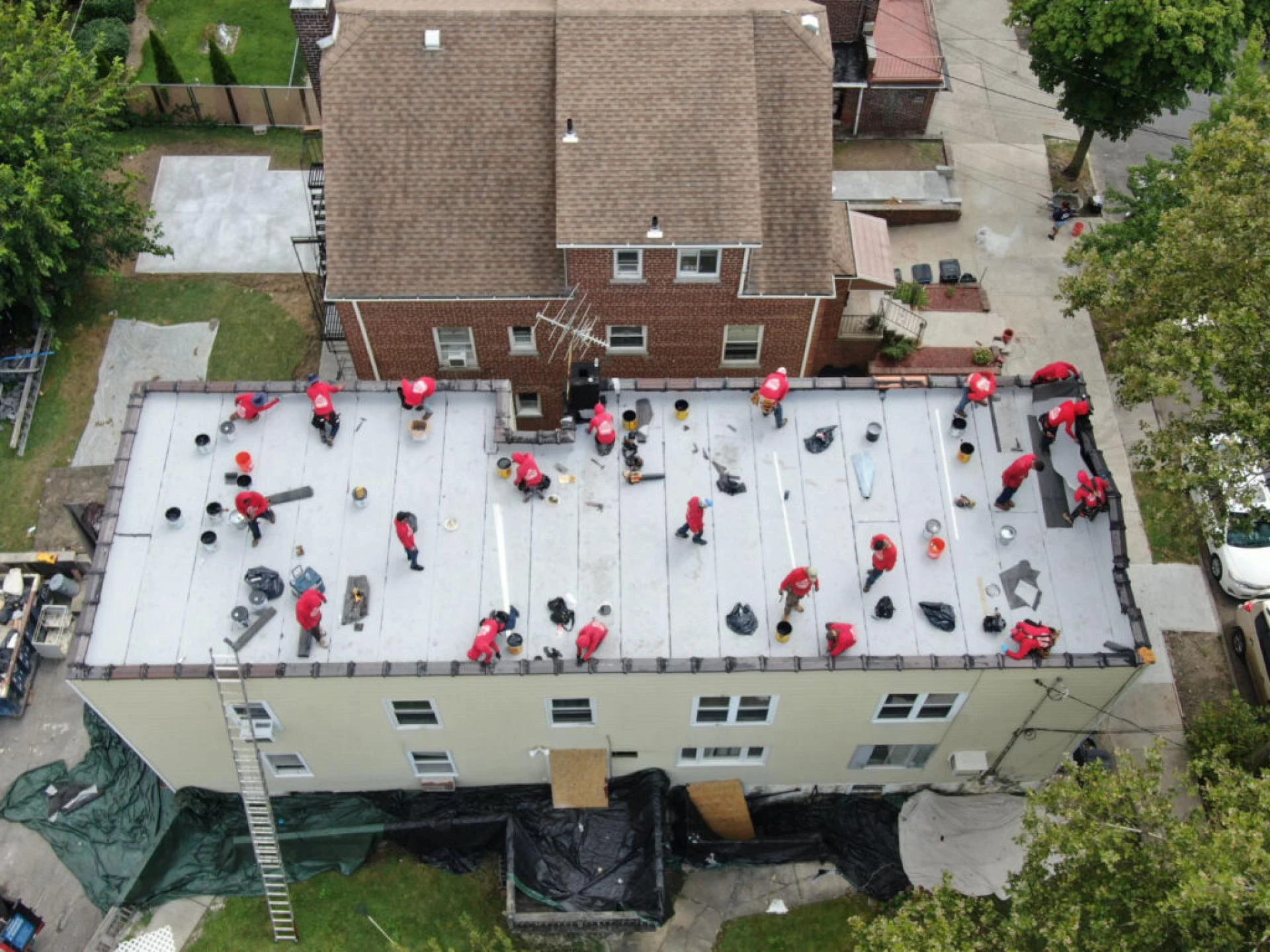

Roof leaks are among the most common issues homeowners face, yet many people are unaware of the specific components that prevent water from entering their homes. One of the most important of these components is flashing. Although it is not always visible, flashing plays a critical role in protecting vulnerable areas of the roof where water is most likely to penetrate.
Flashing is typically made of metal and is installed around joints, edges, and openings in the roofing system. These areas include chimneys, vents, skylights, valleys, and where the roof meets vertical walls. Because these points involve changes in direction or interruptions in the roofing surface, they are more susceptible to water infiltration.
In a city like New York, where rainfall, snow, and ice are common throughout the year, the importance of flashing cannot be overstated. Without proper flashing, water can easily seep into the small gaps that exist around roof penetrations. Over time, this moisture can damage insulation, wood framing, and interior surfaces.
One of the primary functions of flashing is to direct water away from these vulnerable areas. It acts as a barrier that channels water toward the main drainage system of the roof. When installed correctly, flashing ensures that water flows smoothly off the roof without entering the structure.
However, flashing is only effective when it is installed and maintained properly. Poor installation can leave gaps or weak points that allow water to bypass the protective barrier. Even small errors in placement or sealing can lead to leaks over time. This is why professional expertise is essential when working with roofing components.
Weather conditions in the Bronx can place significant stress on flashing materials. During winter, freezing temperatures can cause metal flashing to contract, while warmer temperatures cause it to expand. This constant movement can weaken the seals around flashing, creating opportunities for water to enter.
Storms and high winds can also impact flashing by loosening or displacing it from its original position. When flashing becomes detached or damaged, it no longer provides effective protection against water infiltration. Regular inspections help identify these issues before they lead to more serious problems.
Another factor that affects flashing performance is aging. Over time, flashing materials may corrode or deteriorate due to exposure to moisture and environmental conditions. Older flashing may develop cracks or rust, reducing its ability to prevent leaks. Replacing aging flashing is often necessary to maintain the integrity of the roofing system.
Homeowners may not always recognize flashing problems immediately, as the damage often occurs beneath the surface. In many cases, the first visible sign is a leak inside the home. Water stains on ceilings or walls often indicate that moisture has already entered the roofing system. By the time these signs appear, the damage may have progressed beyond the initial point of entry.
Preventing these issues requires regular roof inspections and timely maintenance. Professionals can examine flashing around all critical areas and ensure that it remains secure and properly sealed. They can also identify early signs of wear and recommend repairs before leaks develop.
Proper flashing installation also contributes to the overall lifespan of the roof. When flashing functions correctly, it reduces the risk of water damage and helps preserve the structural components of the roofing system. This extends the life of the roof and reduces the need for major repairs.
In addition to preventing leaks, flashing plays a role in maintaining energy efficiency. When water enters the roofing system, it can compromise insulation and reduce its effectiveness. This leads to increased energy usage as heating and cooling systems work harder to maintain indoor temperatures. By keeping moisture out, flashing helps preserve the insulation’s performance.
Working with experienced roof repair specialists Bronx homeowners rely on ensures that flashing is installed and maintained correctly. These professionals understand the complexities of roofing systems and know how to address potential problem areas effectively. Their expertise helps prevent small issues from turning into costly repairs.
Ultimately, flashing is a small but essential part of a roofing system that provides significant protection against water damage. While it may not be as visible as shingles or other roofing materials, its role is crucial in maintaining the integrity of the home.
For homeowners in the Bronx, understanding the importance of flashing and ensuring that it is properly maintained can make a significant difference in preventing leaks and preserving the condition of the roof. By investing in professional inspections and timely repairs, it is possible to protect the home from the long-term effects of water damage and ensure that the roofing system continues to perform effectively.























Sign in to leave a comment.