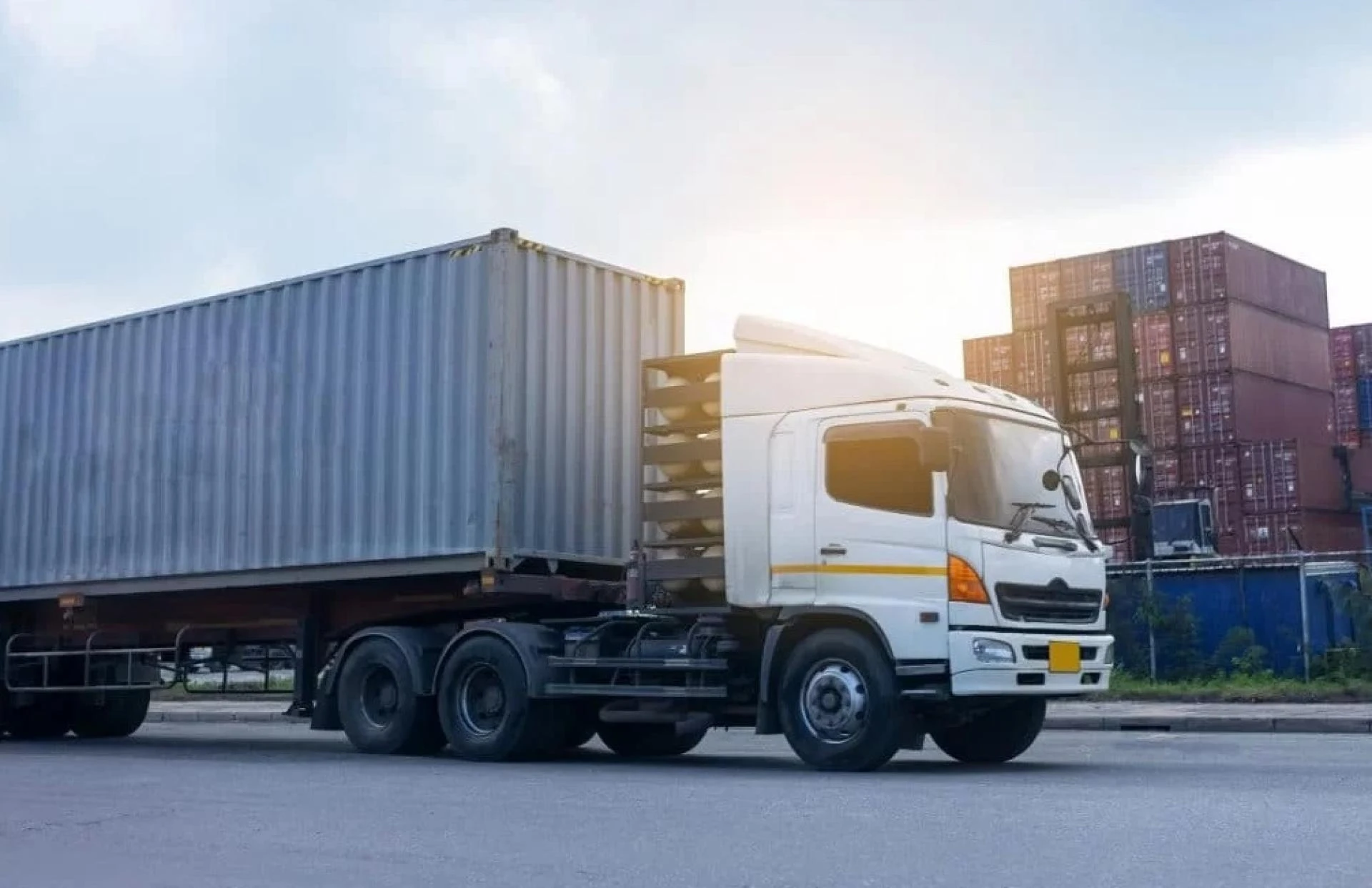

As the global supply chain continues to evolve, the importance of efficient and reliable freight transportation has become paramount. One critical player in this ecosystem is the full truckload broker, whose role has grown increasingly vital in streamlining the movement of goods across North America.
A full truckload broker, also known as a freight broker, is an intermediary between shippers and carriers. They leverage their extensive industry knowledge, network of carriers, and technological capabilities to match available truck capacity with the transportation needs of their clients. By acting as a bridge between these two parties, full truckload brokers play a crucial role in the success of freight transportation.
The Value of Full Truckload Brokers
Increased Access to Capacity
One of the primary benefits of working with a full truckload broker is the expanded access to carrier capacity. Brokers maintain relationships with a vast network of trucking companies, from large fleets to owner-operators, enabling them to secure transportation solutions even during peak seasons or periods of limited availability. This significantly improves the shipper\'s ability to find the right carrier for their specific needs, ensuring their goods are delivered on time and in pristine condition.
Cost Optimization
Full truckload brokers possess deep market knowledge and insights that allow them to negotiate the most competitive rates on behalf of their clients. By leveraging their buying power and industry relationships, brokers can often secure rates that are lower than what shippers could obtain on their own. This cost savings can have a substantial impact on a company\'s bottom line, especially for businesses that rely on high-volume freight transportation.
Streamlined Operations
Working with a full truckload broker simplifies the logistics process for shippers. Brokers handle the complexities of carrier selection, contract negotiation, shipment tracking, and invoice management, allowing the shipper to focus on their core business activities. This level of operational efficiency can lead to improved productivity, reduced administrative overhead, and better visibility into the entire transportation lifecycle.
Risk Mitigation
Full truckload brokers often have robust processes and protocols in place to ensure the safety and security of shipped goods. They vet carriers, verify their insurance coverage, and monitor shipments to mitigate the risks associated with freight transportation. This risk management expertise can be particularly valuable for shippers dealing with high-value, sensitive, or time-critical cargo.
Scalability and Flexibility
As businesses grow or experience fluctuations in their transportation needs, full truckload brokers can quickly adapt and provide the necessary capacity. Brokers can easily scale up or down to accommodate changes in shipping volume, allowing their clients to maintain a responsive and agile supply chain.
The Role of Technology in Full Truckload Brokerage
The freight transportation industry has undergone a significant digital transformation, and full truckload brokers have embraced this evolution. By leveraging the latest technology, brokers can streamline their operations, improve decision-making, and provide their clients with enhanced visibility and control.
Data-Driven Decision Making
Full truckload brokers utilize advanced analytics and data-driven insights to make informed decisions about carrier selection, route optimization, and pricing strategies. This data-driven approach enables them to identify and address inefficiencies, optimize transportation solutions, and ultimately deliver greater value to their clients.
Automation and Efficiency
Brokers are increasingly automating various aspects of their operations, such as order processing, carrier selection, and billing. This automation not only improves efficiency but also reduces the risk of human error, leading to a more streamlined and reliable freight transportation experience for their clients.
Real-Time Visibility
Through the integration of GPS tracking, electronic logging devices, and other technologies, full truckload brokers can provide their clients with real-time visibility into the status of their shipments. This visibility enables shippers to make informed decisions, respond to unexpected events, and enhance customer satisfaction.
Seamless Integration
Many full truckload brokers offer seamless integration with their clients\' existing transportation management systems (TMS) or enterprise resource planning (ERP) software. This integration ensures a smooth flow of information, eliminating the need for manual data entry and reducing the risk of miscommunication or data discrepancies.
The Future of Full Truckload Brokerage
As the freight transportation industry continues to evolve, the role of the full truckload broker is expected to become even more crucial. With the growing complexities of the supply chain, the need for optimization, visibility, and risk mitigation will only increase, driving the demand for the services provided by full truckload brokers.
Increased Adoption of Emerging Technologies
Full truckload brokers will likely continue to invest in emerging technologies, such as artificial intelligence, machine learning, and blockchain, to enhance their decision-making capabilities, automate more processes, and provide their clients with even greater visibility and transparency.
Sustainability and Environmental Responsibility
As corporations and consumers become more conscious of their environmental impact, full truckload brokers will need to play a more active role in promoting sustainable freight transportation solutions. This may include the integration of green initiatives, carbon-neutral shipping options, and the optimization of routes and load utilization to reduce emissions.
Specialized Services and Expertise
To differentiate themselves in a competitive market, full truckload brokers may increasingly offer specialized services tailored to the unique needs of their clients. This could include expertise in managing the transportation of hazardous materials, oversized or heavy equipment, or temperature-sensitive goods, among other specialized services.
Stronger Partnerships and Collaboration
As the freight transportation ecosystem becomes more interconnected, full truckload brokers will likely forge deeper partnerships with carriers, shippers, and other logistics providers. These collaborative efforts will enable the development of more comprehensive and innovative solutions to address the evolving challenges faced by the industry.
Conclusion
The role of the full truckload broker in the freight transportation industry is undeniably crucial. By leveraging their industry expertise, extensive carrier networks, and technological capabilities, these intermediaries play a vital role in optimizing the movement of goods, reducing costs, and mitigating risks for their clients. As the supply chain landscape continues to evolve, the importance of full truckload brokers will only continue to grow, making them an essential component of any successful freight transportation strategy.


























Sign in to leave a comment.