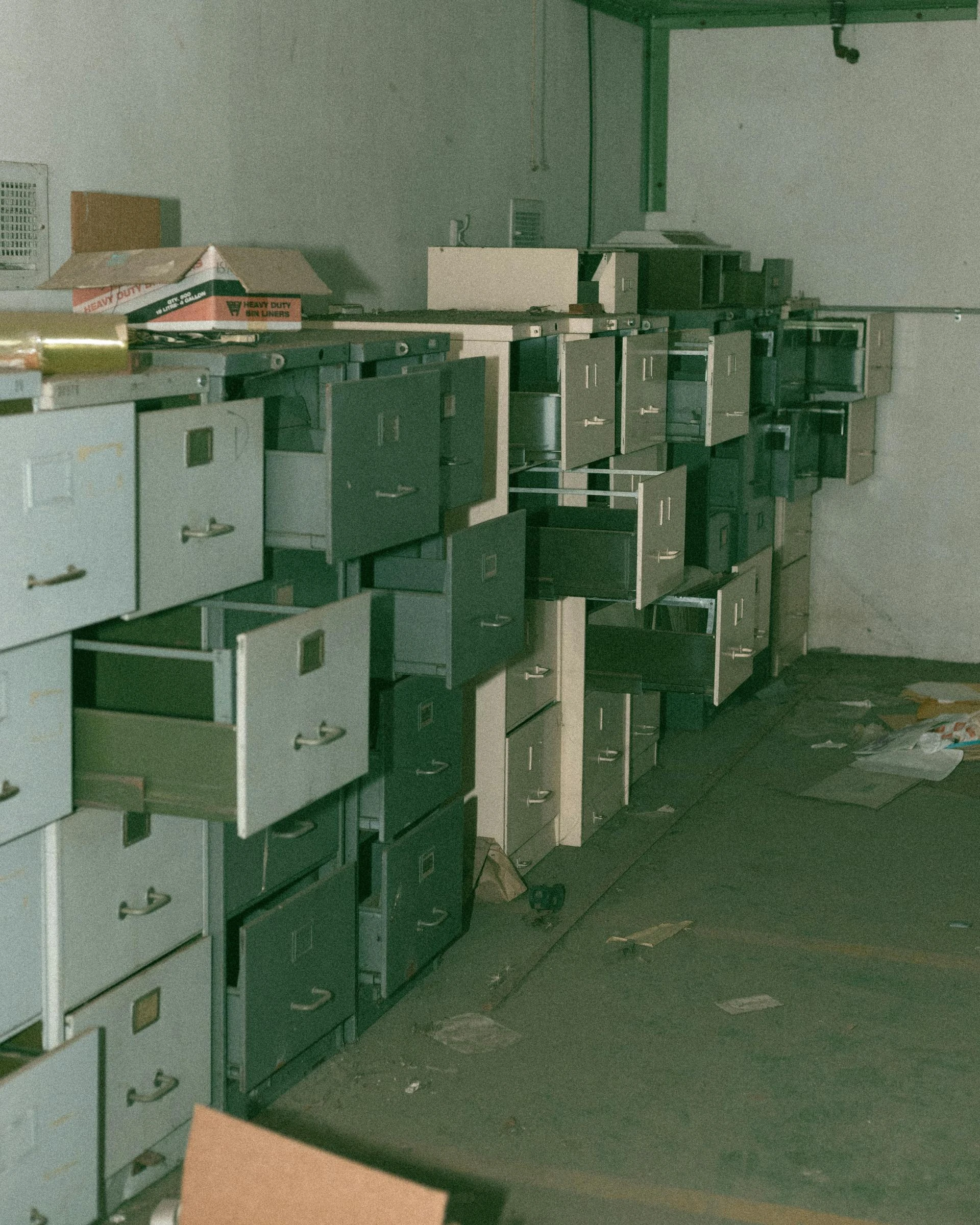

Property maintenance goes beyond routine cleaning and repairs. Over time, unused furniture, broken equipment, and accumulated debris can quietly impact a property’s condition, safety, and appearance. When junk is left unchecked, it becomes more than an eyesore—it interferes with proper upkeep and long-term value.
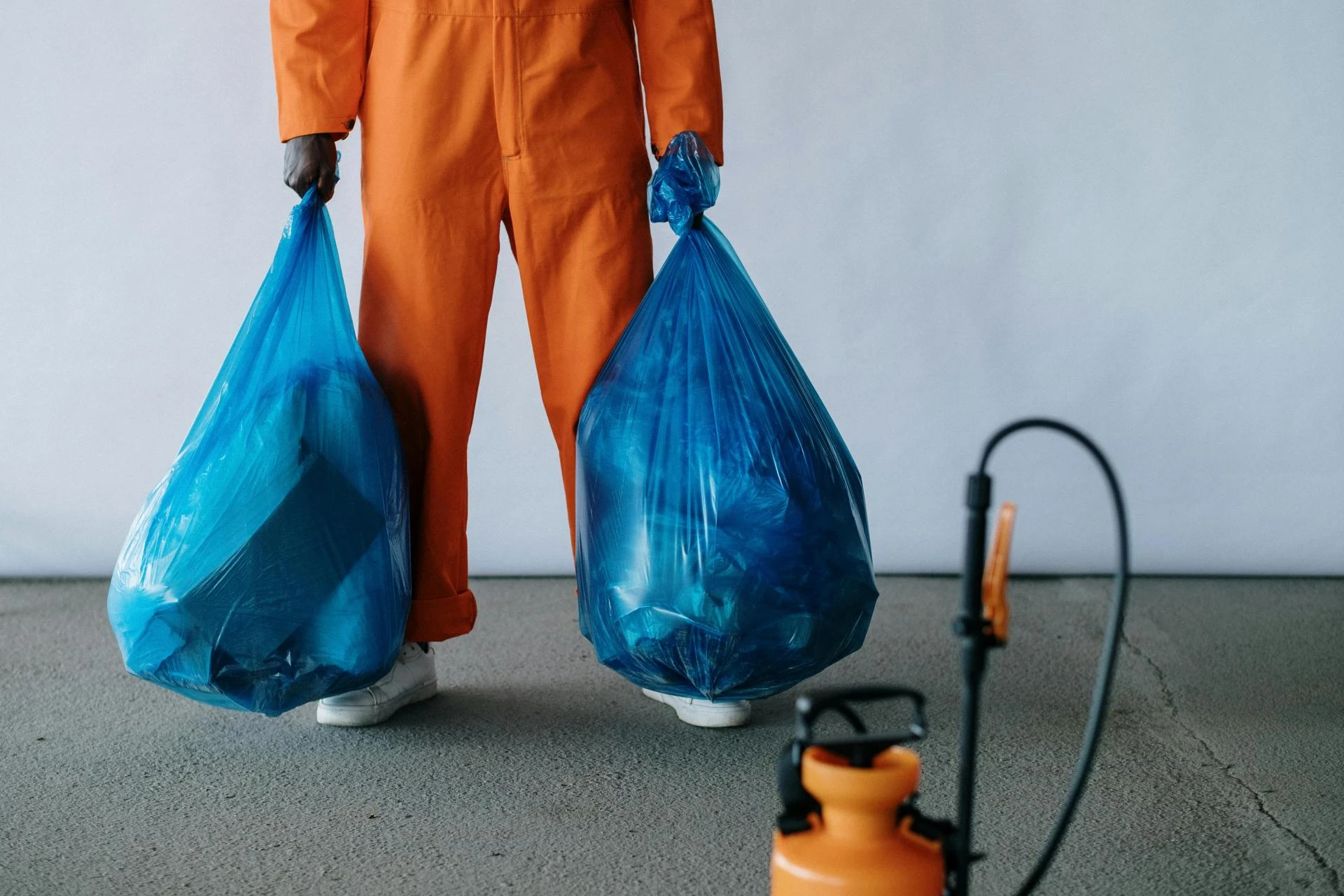
For property owners and managers, hauling junk is a critical part of maintaining functional, safe, and well-presented spaces. Regular removal of unwanted items supports preventative maintenance and helps properties operate more efficiently.
How junk buildup affects property condition and appearance
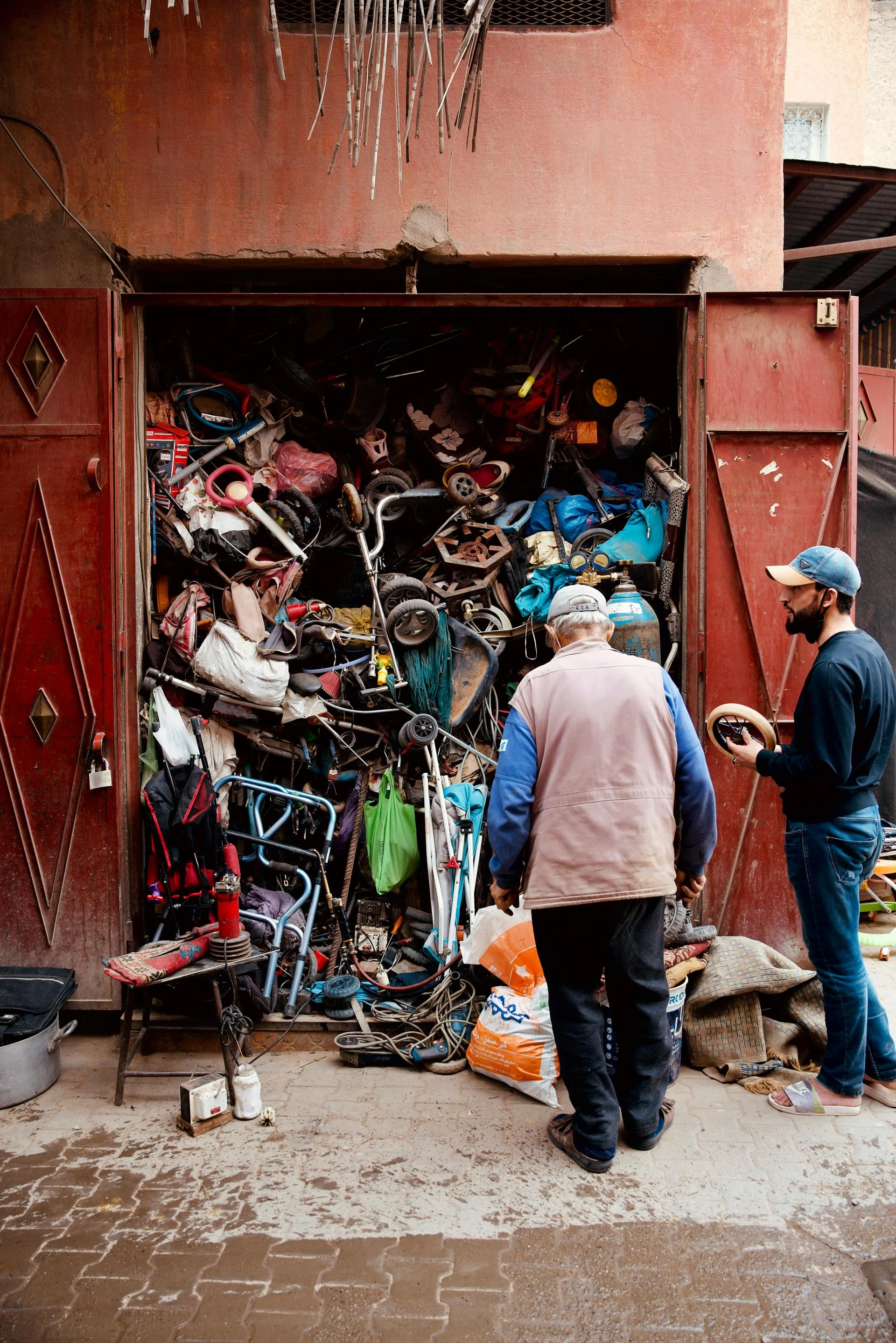
Junk rarely appears all at once. It accumulates gradually in basements, storage rooms, hallways, and outdoor areas. Items are often kept with the intention of future use, but over time, they become forgotten obstacles.
As clutter grows, it restricts access to key areas and makes routine maintenance more difficult. Leaks and cracks can go unnoticed when spaces are blocked or overcrowded. Visually, clutter gives the impression of neglect, even when other aspects of the property are well maintained. Addressing junk buildup early prevents it from becoming a barrier to effective property care.
Preventing damage through proactive junk removal
Unused items can contribute directly to property damage. Stacked furniture, boxes, and debris place unnecessary strain on floors and walls, especially in older buildings or storage areas not designed for heavy loads.
Junk also creates environments that attract pests.
Rodents and insects are drawn to cluttered, undisturbed spaces where they can nest and hide. Moisture trapped behind stored items increases the risk of mold and structural deterioration. Regular removal reduces these risks. By clearing unused materials, property owners help protect surfaces, structural elements, and overall building integrity.
Enhancing safety and accessibility across the property
Safety is a core component of property maintenance. Cluttered walkways, blocked exits, and crowded storage areas increase the risk of accidents and injuries. Boxes left in hallways, unused equipment near stairwells, and debris in common areas can create tripping hazards. In multi-unit properties, these issues may also lead to code violations or liability concerns.
Proactive hauling improves accessibility and supports compliance with safety. Clean, open spaces allow residents, employees, and visitors to move through the property with confidence.
Improving curb appeal and interior presentation
First impressions matter. Whether a property is residential, commercial, or mixed-use, its appearance influences how it is perceived by tenants, visitors, and potential buyers.
Outdoor clutter, overflowing storage areas, or visible junk detract from curb appeal.
Inside, crowded common areas or neglected spaces suggest poor maintenance practices, even if the property is structurally sound. Removing unwanted items keeps properties looking intentional and well cared for. Clean interiors and exteriors reflect active management and support positive perceptions across all audiences.
Making preventive maintenance easier by hauling junk
Effective maintenance depends on access. When spaces are cluttered, inspections and repairs become more time-consuming and less thorough. Maintenance teams may struggle to reach plumbing, electrical systems, or structural components hidden behind stored items.
Routine hauling junk simplifies this process. Clear spaces allow maintenance professionals to identify issues sooner and address them before they escalate. Early detection of leaks, cracks, or wear reduces repair costs and prevents more serious damage.
An uncluttered property supports a proactive maintenance approach rather than reactive fixes.
Supporting responsible waste handling practices
Property maintenance also includes responsible waste management. Disposing of junk properly requires more than moving items off-site. Furniture, electronics, and materials must be handled according to local regulations and sustainability standards.
Professional hauling services ensure items are sorted for recycling, donation, or proper disposal when appropriate. This reduces landfill waste and supports environmentally responsible property management practices. For owners and managers focused on sustainability, consistent junk removal aligns maintenance efforts with broader environmental goals.
Why junk removal supports long-term property value
Properties that are well-maintained retain their value more effectively over time. Junk buildup signals neglect and can raise concerns during inspections or evaluations.
Clear, organized spaces allow property owners to demonstrate responsible upkeep. They also make it easier to adapt properties for new uses, renovations, or occupancy changes. By incorporating regular hauling junk into maintenance plans, property owners protect both the physical condition and market appeal of their assets.
Building junk removal into maintenance routines
Junk removal is most effective when treated as an ongoing process rather than a one-time solution. Regular assessments help identify items that no longer serve a purpose before they become problematic. Scheduling periodic cleanouts ensures clutter does not return and keeps maintenance workflows efficient. When combined with routine inspections and repairs, junk removal becomes a foundational part of property care.
A cleaner property starts with clearing what no longer belongs
Property maintenance is about prevention, safety, and presentation. Junk buildup undermines all three. By prioritizing regular removal of unwanted items, property owners and managers create environments that are safer, easier to maintain, and more appealing.
With consistent hauling of junk, properties remain accessible, protected, and well-positioned for long-term success. Clearing what no longer belongs is one of the simplest yet most effective steps toward better property maintenance.

























Sign in to leave a comment.