

Keratoconus is a progressive eye condition that affects the shape and clarity of the cornea, leading to distorted vision. While glasses and contact lenses can provide temporary relief, more advanced treatments like Intacs for keratoconus and the cross-linking procedure have emerged as effective long-term solutions. If you or a loved one has been diagnosed with keratoconus, understanding these treatment options is essential for making the best decision for your eye health.
In this article, we will explore how Intacs for keratoconus work, their benefits, and how they compare to the cross-linking procedure in vision correction.
Understanding Keratoconus and Its Impact on Vision

Keratoconus is a condition where the cornea thins and bulges into a cone-like shape. This irregularity causes light to be distorted as it enters the eye, leading to symptoms such as:
Blurred or distorted vision
Increased sensitivity to light
Difficulty seeing at night
Frequent changes in eyeglass prescriptions
The condition often starts in adolescence or early adulthood and can worsen over time. If left untreated, it can lead to severe vision impairment and even require corneal transplant surgery in advanced cases.
What Are Intacs for Keratoconus?
Intacs for keratoconus are small, crescent-shaped corneal implants designed to reshape the cornea and improve vision. These implants are made of a biocompatible material and are inserted into the cornea to flatten its shape, reducing distortion and enhancing visual clarity.
How Do Intacs Work?
Insertion – The surgeon creates a small channel in the cornea using a laser and inserts the Intacs rings.
Reshaping – The rings help flatten the cornea, reducing the irregularities caused by keratoconus.
Vision Improvement – Patients experience improved focus and reduced light sensitivity over time.
Advantages of Intacs for Keratoconus
Minimally Invasive – The procedure is quick, requiring only about 15 minutes per eye.
Reversible – Intacs can be removed or adjusted if needed.
Slows Progression – Helps stabilize the cornea and delay the need for a corneal transplant.
Improves Vision – This can significantly enhance vision for those who struggle with glasses and contact lenses.
Who Is a Candidate for Intacs?
Patients with moderate to severe keratoconus who have not responded well to glasses or contacts.
Individuals who are not yet candidates for corneal transplants but need intervention.
Those looking for a reversible and adjustable treatment option.
Cross-Linking Procedure: Strengthening the Cornea
While Intacs for keratoconus helps reshape the cornea, the cross-linking procedure is another effective treatment designed to strengthen the corneal structure and slow the disease's progression.
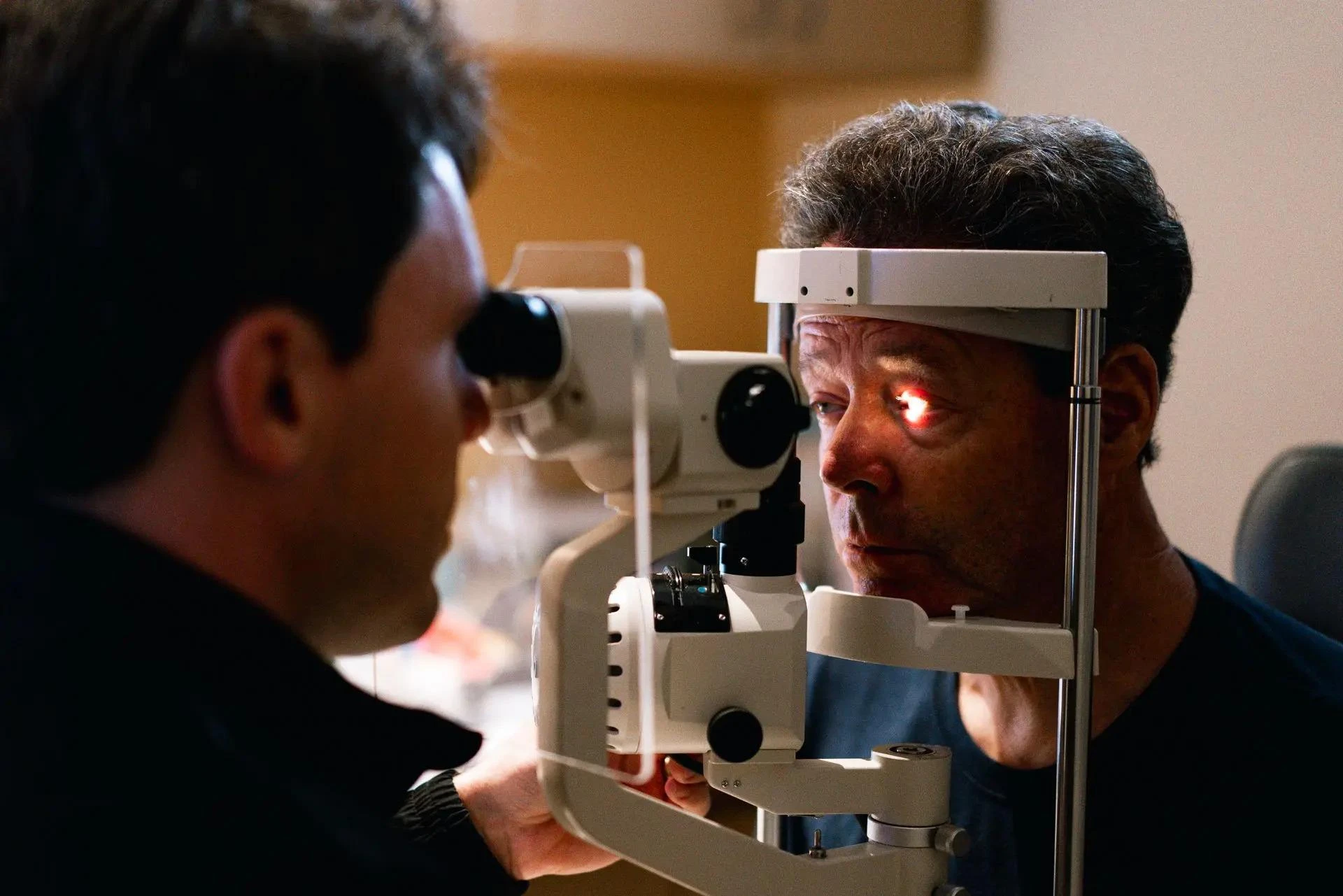
How Does the Cross-Linking Procedure Work?
Application of Riboflavin Drops – A vitamin B2 solution is applied to the cornea.
UV Light Exposure – The cornea is exposed to ultraviolet (UV) light to activate the riboflavin.
Corneal Strengthening – This process strengthens the collagen fibers in the cornea, making it more resistant to further bulging.
Benefits of Cross-Linking Procedure
Prevents Disease Progression – Stops keratoconus from worsening.
Minimally Invasive – No surgical cuts or implants are required.
Long-Term Stability – Helps maintain the cornea’s structure for years.
Can Be Combined with Other Treatments – Works well with Intacs for keratoconus for better vision correction.
Who Is a Candidate for Cross-Linking?
Patients with progressive keratoconus, particularly in the early stages.
Individuals with weakened corneas due to keratoconus or other conditions.
Those looking for a non-invasive solution to strengthen their cornea.
Comparing Intacs for Keratoconus and the Cross-Linking Procedure
Both Intacs for keratoconus and the cross-linking procedure play crucial roles in vision correction, but they serve different purposes.
Feature
Intacs for Keratoconus
Cross-Linking Procedure
Primary Function
Reshapes cornea for better vision
Strengthens cornea to prevent progression
Invasiveness
Minimally invasive (implant insertion)
Non-invasive (UV treatment)
Recovery Time
A few weeks for full adaptation
3-6 months for full stabilization
Reversibility
Yes, can be removed or adjusted
No, permanent strengthening effect
Ideal for
Improving vision and reducing distortion
Preventing worsening of keratoconus
In many cases, these two treatments can be combined to achieve the best results. The cross-linking procedure strengthens the cornea, while Intacs for keratoconus improves vision by reshaping it.
What to Expect During and After Treatment
During the Procedure
Both treatments are outpatient procedures performed under local anesthesia.
Intacs for keratoconus takes about 15-20 minutes per eye.
The cross-linking procedure typically lasts around an hour per eye.
Recovery Timeline
Intacs: Patients experience initial improvements within a few days, with full adaptation over several weeks.
Cross-Linking: Vision may be blurry initially, but stabilizes over months as the cornea strengthens.
Post-Treatment Care
Use prescribed eye drops to prevent infection and reduce inflammation.
Avoid rubbing your eyes to prevent complications.
Wear sunglasses to protect from UV exposure.
Follow-up appointments are crucial to monitor healing and vision improvement.
Conclusion
Both Intacs for keratoconus and the cross-linking procedure are effective treatment options that can significantly improve vision and stabilize the cornea. While Intacs help reshape the cornea for better visual clarity, cross-linking strengthens the cornea to halt disease progression. Many patients benefit from a combination of both treatments to achieve the best long-term results.
If you are looking for expert guidance on keratoconus treatment, Clear View Eyes offers state-of-the-art solutions tailored to your needs. Whether you need Intacs for keratoconus, the cross-linking procedure, or a personalized treatment plan, their specialists are here to help you achieve a clearer vision and a better quality of life.














Sign in to leave a comment.