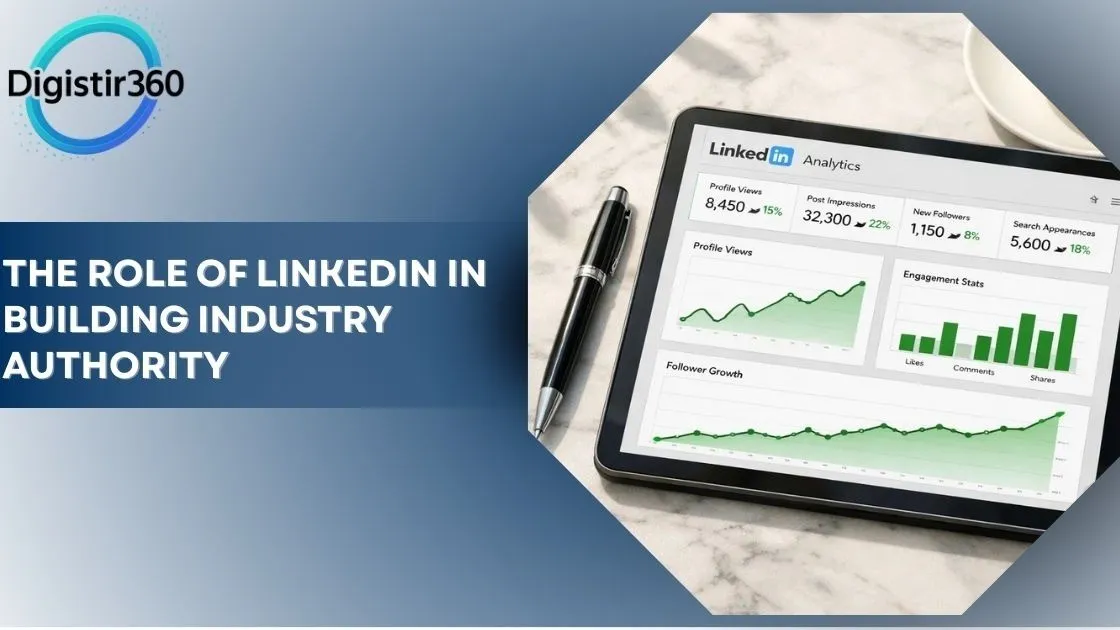

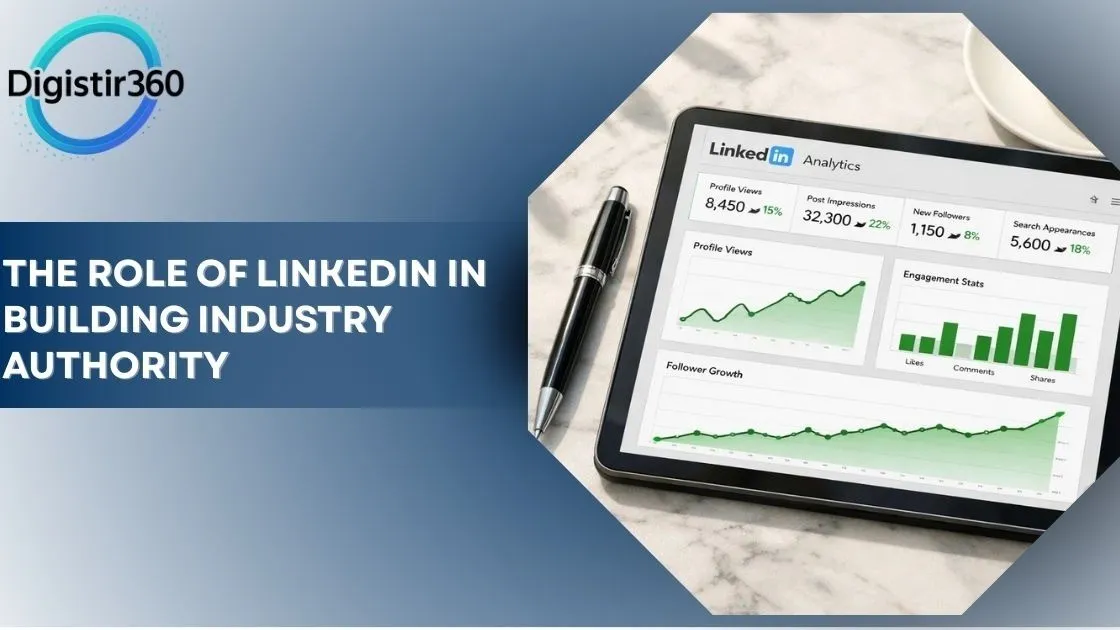
In the professional landscape of 2026, the traditional resume has been replaced by a dynamic, verifiable digital footprint. For leaders and entrepreneurs, LinkedIn Authority is no longer a "nice-to-have" luxury; it is the primary currency of trust. In an era where AI-generated noise is everywhere, your Personal Branding strategy is the only thing that separates a genuine expert from a generic bot.
Establishing yourself as a trusted voice on LinkedIn requires a shift from broadcasting to "Consultative Leadership" - proving your expertise by solving problems in public.
1. The Foundation: Semantic Profile Optimization
Before you can lead a conversation, your profile must act as your "Visual Pitch Deck." In 2026, the LinkedIn algorithm uses semantic search to match your skills with the complex problems decision-makers are trying to solve.
- Beyond the Job Title: Your headline shouldn't just state your role; it should articulate your "Unique Value Proposition" (UVP).
- Proof Over Promises: Use the Featured section to showcase real-world impact through case studies and whitepapers.
For those looking to build a multi-platform presence, understanding how to set up a Facebook business page provides an excellent baseline for consistent cross-channel branding.
2. The Rise of High-Intent Thought Leadership
True Thought Leadership in 2026 isn't about having the loudest voice; it's about having the most helpful one. The platform now prioritizes "Dwell Time" and "Saves," meaning that deep-dive carousels and nuanced technical debates outperform short, catchy “hacks.”
Strategy Tip: Share "Contrarian Insights" - ideas that challenge the status quo in your industry. This shows that you aren't just repeating information but are actively shaping the future of your field. To ensure your long-form insights are as readable as they are authoritative, following a proven blog structure for SEO can help you organize your LinkedIn articles for maximum engagement.
3. Verification and the Trust Graph
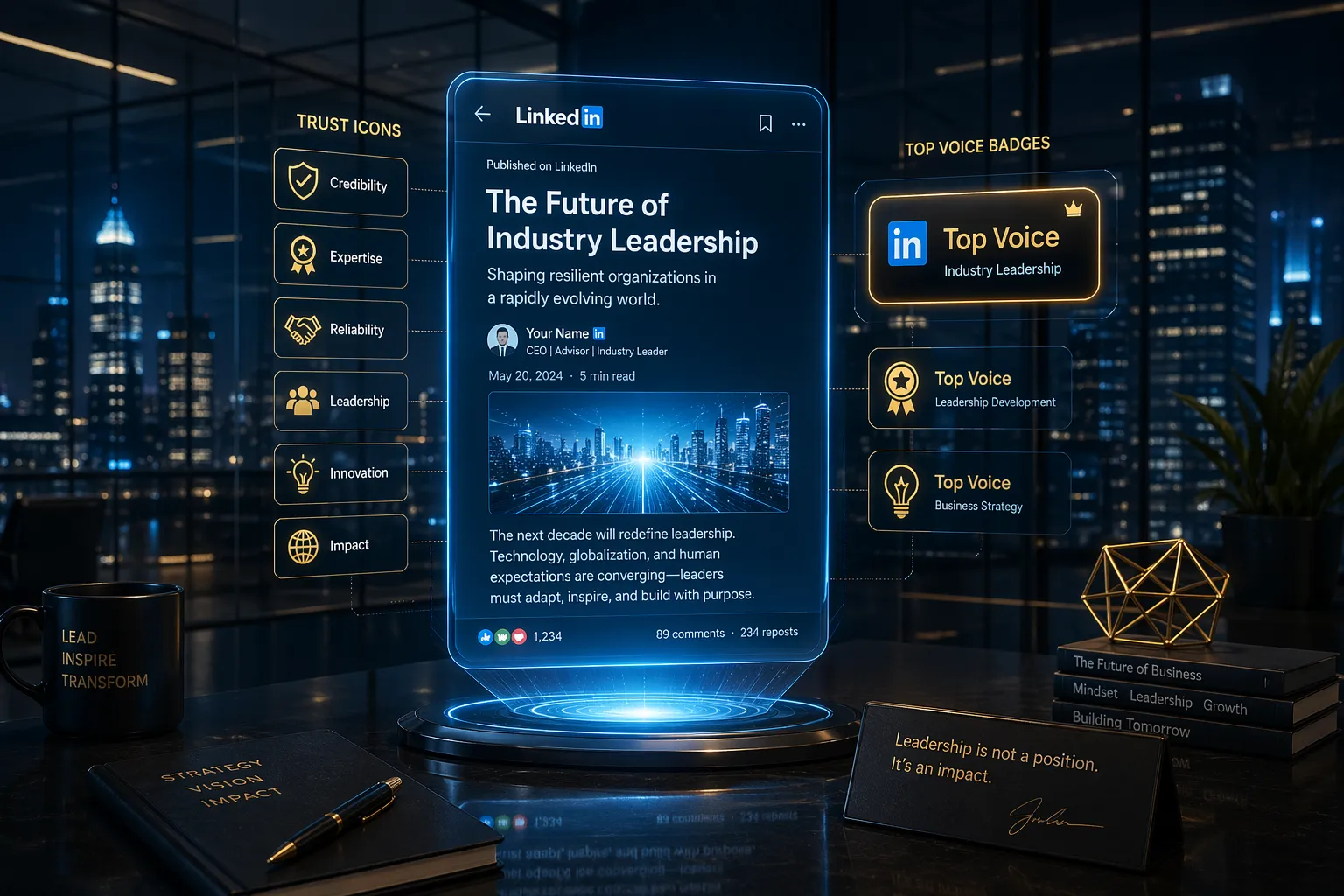
A major shift in 2026 is the "Human-Verified" system. Users with verified credentials and consistent participation in "Collaborative Articles" receive a significant boost in reach. This is how the platform maps LinkedIn Authority. By contributing original, experience-based anecdotes to these articles, you earn "Top Voice" badges that act as a permanent signal of expertise.
How do you showcase authority on LinkedIn? It starts by moving away from self-promotion and toward a "Problem-First" framework. If you're struggling with where to focus your digital efforts, our 10 common digital marketing questions guide can help clarify your path to professional influence.
4. Engaging with "Dark Social"
While public posts are vital for Personal Branding, much of the real authority-building happens in "Dark Social" - private groups, DMs, and Slack channels where your content is shared.
- The Share Kit: Create insights that are "quote-ready." If your idea can be cleanly summarized in two sentences, it is more likely to be shared in a private B2B Slack channel.
- Community First: Spend 15 minutes a day commenting on the posts of other industry leaders. This "Neighborly Networking" places you in front of their audiences and builds reciprocal trust.
To further amplify your reach beyond social media, mastering the latest voice search vs. text search trends will ensure your professional insights are findable no matter how your audience searches.
Conclusion
Building LinkedIn Authority is a marathon of consistency and quality. In 2026, the winners are those who use Personal Branding to foster human connection and Thought Leadership to provide genuine solutions. By treating your LinkedIn presence as a living extension of your professional expertise, you create a growth engine that works even when you aren't logged in.
























Sign in to leave a comment.