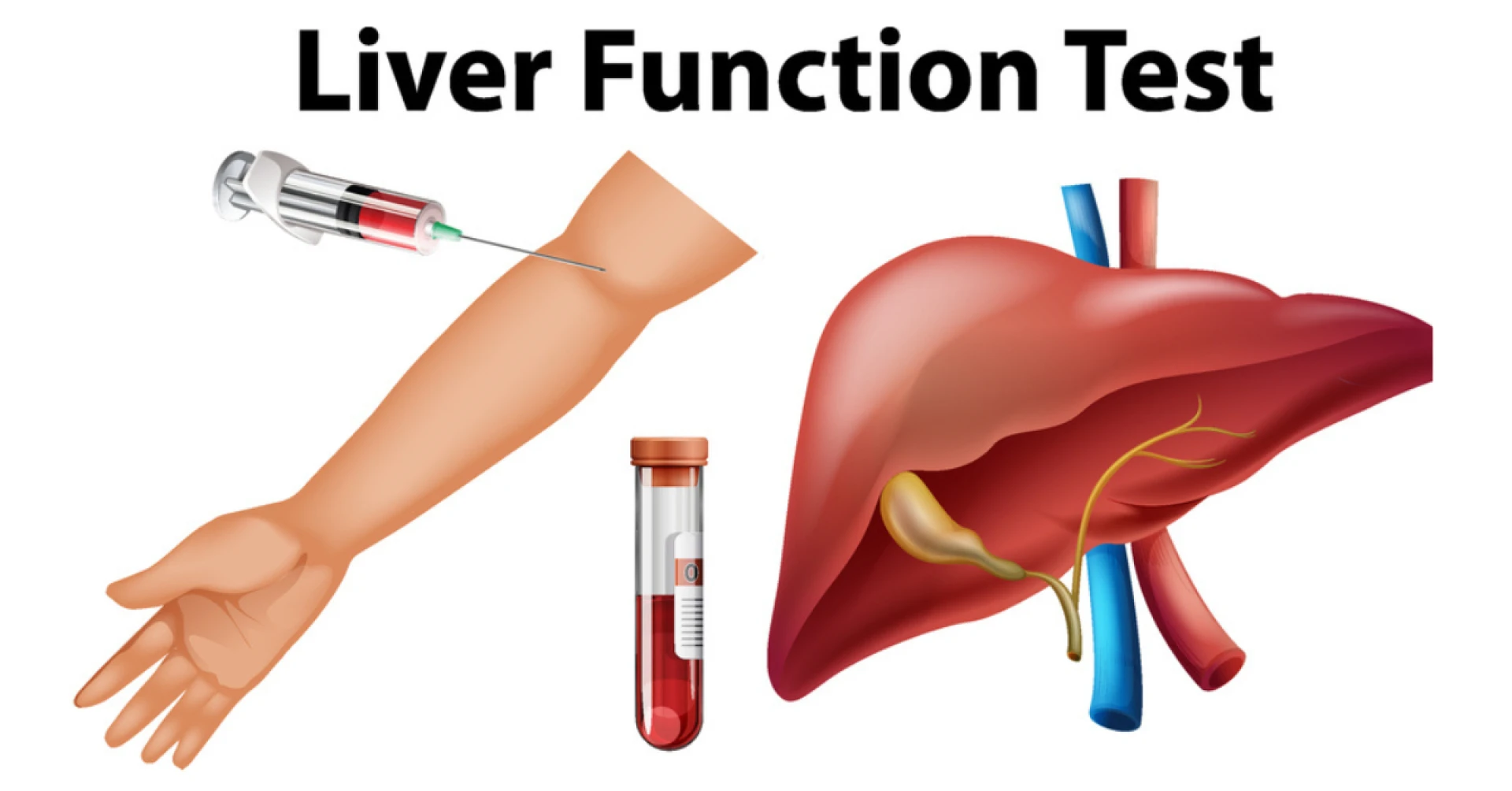

Introduction to Liver Function Tests
As humans, we constantly strive to maintain good health. We exercise, eat well, and take precautions to prevent illness. However, there are certain aspects of our health that may go unnoticed unless specifically tested. One such aspect is the health of our liver. The liver plays a vital role in our body, performing numerous functions that are essential for our overall well-being. This is where liver function tests come into the picture. In this article, we will discuss liver function tests, and understand why they are vital for your health.
Understanding the Importance of Liver Health
Before we dive into the significance of liver function tests, it is important to understand why liver health is so crucial. The liver is the largest internal organ in our body and is responsible for a wide range of functions. It aids in digestion, detoxification, hormone regulation, and the production of essential proteins, just to name a few. Without a healthy liver, our body's ability to function optimally would be compromised. Liver health is not something to be taken lightly, as any dysfunction can lead to serious health complications.
Common Liver Function Tests and What They Measure
Liver function tests are a group of blood tests that provide valuable insights into the health and function of the liver. These tests measure various markers and enzymes present in the blood, giving healthcare professionals a clear picture of the liver's condition. Some of the common liver function tests include:
Alanine Aminotransferase (ALT): This test measures the levels of ALT, an enzyme found in liver cells. Elevated ALT levels may indicate liver damage or inflammation.Aspartate Aminotransferase (AST): Similar to ALT, AST is an enzyme that is found in liver cells. Elevated AST levels may indicate liver injury or disease.Alkaline Phosphatase (ALP): ALP is an enzyme that is present in various tissues, including the liver. Elevated ALP levels may indicate liver or bone disease.Bilirubin: Bilirubin is a yellowish pigment produced during the breakdown of red blood cells. Elevated bilirubin levels may indicate liver disease or obstruction of the bile ducts.These tests, along with others such as albumin, total protein, and prothrombin time, provide a comprehensive evaluation of liver function.
Interpreting Liver Function Test Results
Once the liver function test are performed, the results need to be interpreted correctly to understand the liver's health. Typically, the results of liver function tests are compared to reference ranges that are determined based on factors such as age, sex, and overall health. If the test results fall within the reference range, it indicates that the liver is functioning properly. However, if the results are outside the reference range, further investigation may be required to identify the underlying cause. It is important to note that liver function tests alone cannot diagnose specific liver diseases, but they serve as a valuable tool in assessing liver health.
Factors That Can Affect Liver Function Test Results
While liver function tests provide valuable information about liver health, it is essential to consider certain factors that can affect the results. Some factors that can influence liver function test results include:
Medications: Certain medications can alter the levels of enzymes and markers in liver function tests. It is important to inform your healthcare provider about any medications you are taking before undergoing these tests.Alcohol: Excessive alcohol consumption can cause liver damage and elevate liver function test results. It is advisable to abstain from alcohol for a period of time before undergoing liver function tests.Other Health Conditions: Certain medical conditions such as viral hepatitis, fatty liver disease, and autoimmune disorders can affect liver function test results. It is important to provide your healthcare provider with a comprehensive medical history to ensure accurate interpretation of the results.By considering these factors, healthcare professionals can ensure an accurate interpretation of liver function test results and make informed decisions regarding further treatment or investigation.
The Significance of Liver Function Tests in Diagnosing Liver Diseases
Liver function tests play a crucial role in the diagnosis of liver diseases. Abnormalities in liver function test results can indicate various liver conditions, including:
Hepatitis: Elevated levels of AST and ALT are often seen in viral hepatitis, indicating liver inflammation.Cirrhosis: Decreased albumin and elevated bilirubin levels may be observed in advanced liver cirrhosis.Liver Cancer: Certain liver function test abnormalities, along with other diagnostic tests, can aid in the detection of liver cancer.Non-alcoholic Fatty Liver Disease (NAFLD): Elevations in liver enzymes may indicate the presence of NAFLD, a condition associated with the accumulation of fat in the liver.It is important to note that liver function tests are not definitive diagnostic tools for these conditions. However, they provide valuable information that helps healthcare professionals in the diagnostic process.
The Importance of Regular Liver Health Check-ups
Regular liver health check are essential for maintaining optimal liver function and detecting any potential issues at an early stage. These check-ups may include liver function tests, imaging studies, and physical examinations. By monitoring liver health regularly, any abnormalities can be identified early on, allowing for timely intervention and treatment. It is especially important for individuals with risk factors such as a history of liver disease, alcohol abuse, or certain medical conditions to undergo regular liver health check-ups.
Tips for Maintaining a Healthy Liver
While liver function tests are essential for assessing liver health, there are steps you can take to maintain a healthy liver:
Maintain a Balanced Diet: A diet rich in fruits, vegetables, whole grains, and lean proteins can support liver health.Limit Alcohol Consumption: Excessive alcohol consumption can lead to liver damage. It is important to consume alcohol in moderation or avoid it altogether.Exercise Regularly: Engaging in regular physical activity can support overall liver health.Avoid Hepatitis Infection: Practicing safe sex, avoiding sharing needles, and getting vaccinated against hepatitis can help prevent hepatitis infections.Manage Medications: Follow your healthcare provider's instructions when taking medications to minimize the risk of liver damage.By incorporating these tips into your lifestyle, you can promote a healthy liver and reduce the risk of liver disease.
Conclusion
In conclusion, liver function tests are a vital tool in assessing liver health. The liver plays a crucial role in our body's overall function, and any dysfunction can have serious consequences. Regular liver health check-ups, including liver function tests, can help identify any abnormalities early on, allowing for timely intervention and treatment. By maintaining a healthy lifestyle and taking necessary precautions, we can support our liver's well-being and ensure our overall health. Remember, your liver is a key player in your health, so take care of it!
If you haven't had a liver health check-up recently, it is recommended to consult your healthcare provider and discuss the possibility of undergoing liver function tests. Your liver health is a vital component of your overall well-being.




























Sign in to leave a comment.