
In the ever-evolving landscape of engineering, mechanical design stands as an essential pillar of innovation. It's the creative force behind the machinery we use, the vehicles we drive, and the systems that power our world. In today's technology-driven era, the role of mechanical design has become even more prominent, and with it, the need for skilled professionals who can harness its potential. This article delves into the pivotal role that mechanical design plays in contemporary engineering and why online training has emerged as a crucial avenue for mastering this craft.
The Essence of Mechanical Design
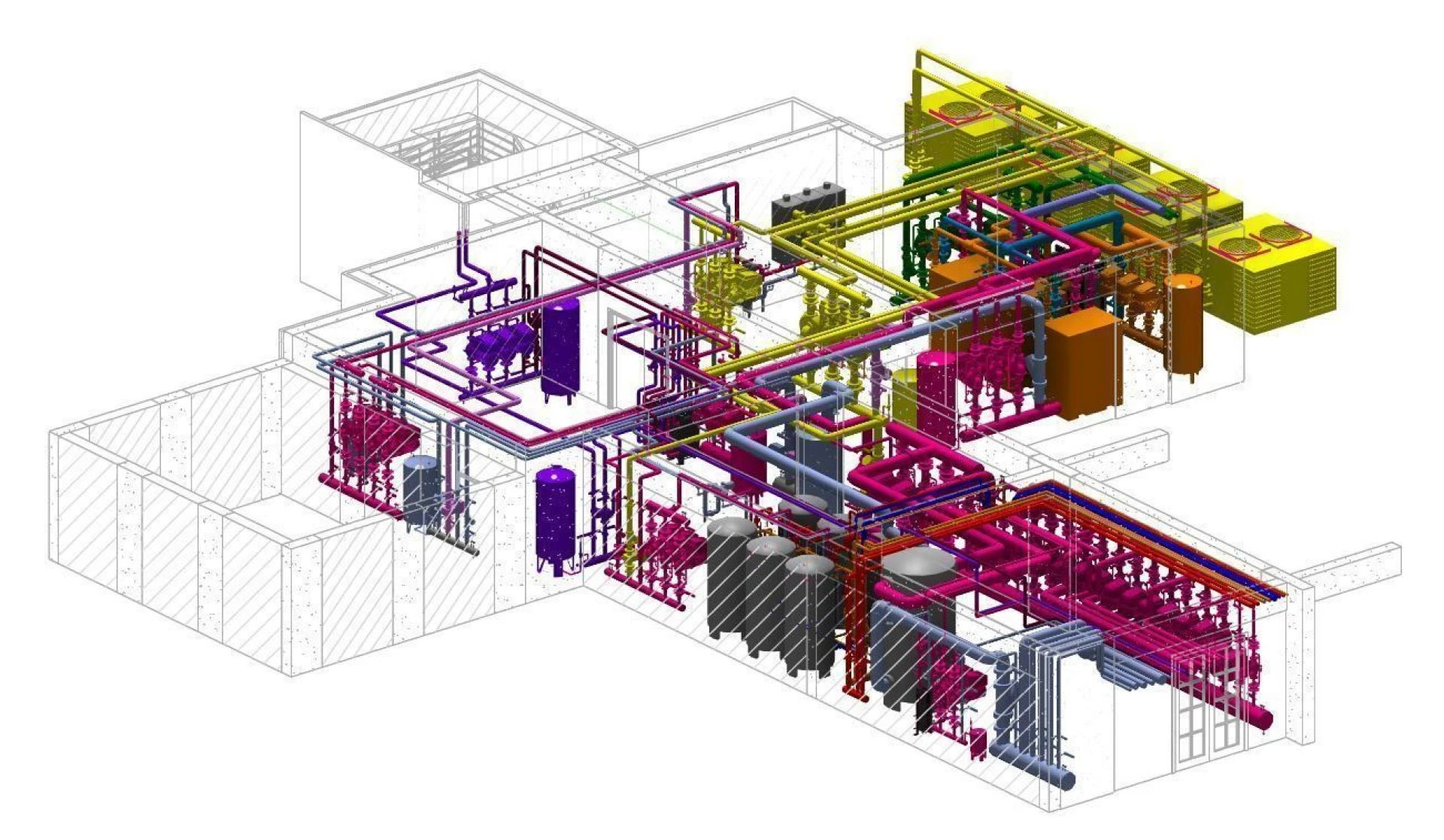
Before delving into the significance of mechanical design, it's important to understand its core principles. Mechanical design involves the creation of detailed, precise plans for machinery, structures, and various mechanical systems. These plans, often represented through detailed drawings and 3D models, serve as the blueprints for the construction and operation of physical objects. Mechanical designers are responsible for conceptualizing, designing, and fine-tuning these systems to ensure they function optimally, safely, and efficiently.
The Widening Scope of Mechanical Design
In the modern engineering landscape, mechanical design has transcended its traditional boundaries. It's no longer confined to the drafting table and technical drawings. Today, it extends into realms like aerospace, automotive, robotics, renewable energy, and beyond. Here are some compelling areas where mechanical design has a significant impact:
1. Aerospace Engineering: The design of aircraft, spacecraft, and drones demands precision and innovation. Mechanical designers in this field work on everything from the aerodynamics of wings to the structural integrity of spacecraft.
2. Automotive Engineering: From designing fuel-efficient engines to improving vehicle safety, mechanical designers are at the forefront of automotive innovation.
3. Renewable Energy: The development of wind turbines, solar panels, and other sustainable technologies relies heavily on mechanical design to optimize energy production and reduce environmental impact.
4. Robotics: In the rapidly advancing field of robotics, mechanical design is pivotal in creating robots that can perform tasks with precision and efficiency.
5. Biomechanics: Understanding the mechanics of the human body requires mechanical design principles. This is crucial in fields like prosthetics, orthopedics, and sports science.
The Need for Mechanical Designers
The expanding scope of mechanical design creates a pressing demand for skilled professionals in this field. Modern engineering projects require individuals who can not only design but also adapt and innovate using the latest technologies and software tools. This brings us to a critical question: How can aspiring mechanical designers acquire the necessary skills to excel in this dynamic industry?
The Power of Online Training
Online training has emerged as a game-changer in the realm of mechanical design education. Here are several reasons why it matters:
1. Accessibility: Online training programs are accessible to individuals around the world. This accessibility breaks down geographical barriers and ensures that anyone with a passion for mechanical design can access quality education.
2. Flexibility: Traditional brick-and-mortar institutions often require students to adhere to strict schedules. Online training, on the other hand, offers flexibility, enabling learners to study at their own pace and on their own terms.
3. Diverse Course Offerings: Online platforms host a wide range of courses, from beginner to advanced levels. This diversity allows individuals to choose the courses that align with their skill levels and career goals.
4. Top 10 Mechanical Design Software: Learning to use mechanical design software is a fundamental aspect of mechanical design education. Online training programs often provide access to the top mechanical design software tools, allowing learners to gain hands-on experience.
5. Cost-Effective: Pursuing an engineering degree can be expensive. Online training programs often offer cost-effective alternatives, making education more affordable and accessible.
6. Industry-Connected: Many online programs maintain strong connections with the engineering industry. This can lead to opportunities for internships, networking, and job placement.
The Top 10 Mechanical Design Software Tools
When discussing the importance of online training in mechanical design, it's crucial to mention the software tools that have become integral to this field. Here are the top 10 mechanical design software tools that aspiring mechanical designers should become proficient in:
AutoCAD: A versatile and widely used drafting and 2D design software.
SolidWorks: Known for its 3D modeling capabilities and parametric design.
CATIA: Commonly used in aerospace and automotive industries for complex 3D modeling.
Inventor: Autodesk's solution for 3D mechanical design, simulation, visualization, and documentation.
Creo Parametric: Offers robust parametric 3D modeling capabilities and product design.
Siemens NX: Used for design, simulation, and manufacturing in various industries.
ANSYS: Known for its simulation capabilities, crucial for testing mechanical designs.
PTC Mathcad: Enables engineers to solve, document, and share engineering calculations.
MATLAB: Widely used for mathematical modeling and simulation.
Fusion 360: A cloud-based 3D CAD, CAM, and CAE platform that combines design and engineering.
Conclusion
In the contemporary engineering landscape, mechanical design is not just a profession; it's a driving force behind innovation and progress. As industries continue to evolve and technology advances at a rapid pace, the demand for skilled mechanical designers has never been greater.
Online training has emerged as a key enabler, offering accessibility, flexibility, and industry-relevant education. To excel in this field, aspiring mechanical designers must not only understand the principles of mechanical design but also master the top mechanical design software tools. By combining a strong foundation with hands-on experience through online training, individuals can position themselves as valuable contributors to the world of modern engineering. As the saying goes, "The future belongs to those who prepare for it today," and in the realm of mechanical design, online training is the pathway to a brighter tomorrow.
If you are searching for a mechanical training institute then CRBtech is the best institute for mechanical courses. It has focused on training candidates in IT, Mechanical, Electrical,Civil and Clinical Research. It helps students to start their career journey with a good beginning in the industry.








Sign in to leave a comment.