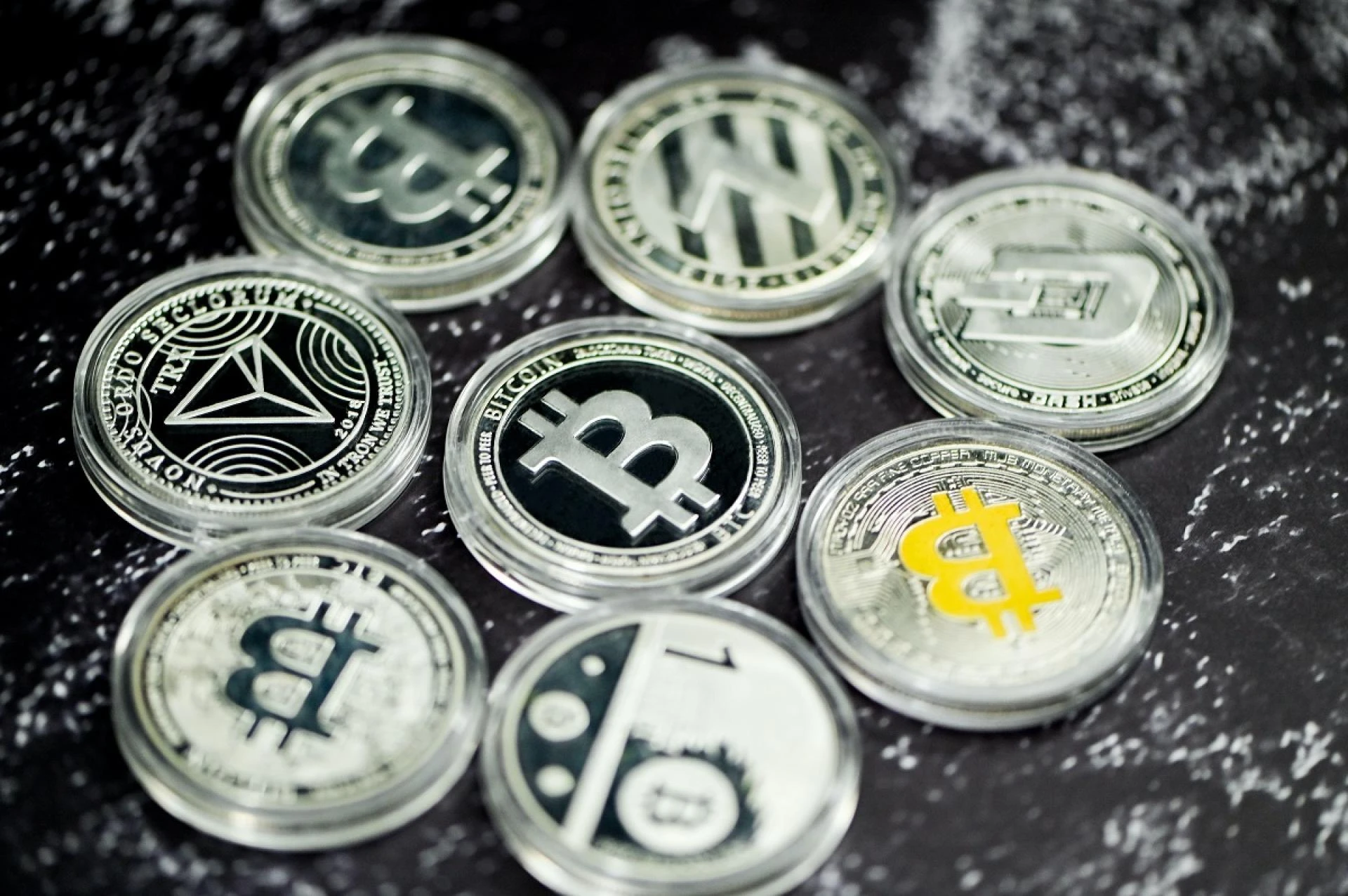

Bitcoin, the revolutionary digital currency, relies on a decentralized network of miners to validate and secure its transactions. These miners play a critical role in maintaining the integrity of the Bitcoin blockchain and ensuring that transactions are processed accurately and securely. In this article, we will delve into the fascinating world of Bitcoin miners and their pivotal role in validate BTC transaction.
The Fundamentals of Bitcoin Mining
Before we explore the role of miners in transaction validation, it's essential to understand the basics of Bitcoin mining. Mining is the process by which new bitcoins are created and transactions are added to the blockchain. Miners are individuals or entities that use powerful computers to solve complex mathematical puzzles, known as proof-of-work, to validate transactions and earn rewards in the form of newly minted bitcoins and transaction fees.
Transaction Validation Step-by-Step
Transaction Initiation: It all begins when a user initiates a Bitcoin transaction. This transaction includes details such as the sender's address, the recipient's address, the amount of bitcoin being transferred, and a digital signature to verify the authenticity of the transaction.Transaction Propagation: The transaction is broadcasted to the Bitcoin network and becomes visible to all nodes and miners.Transaction Verification: Nodes on the network perform initial checks to ensure the transaction is properly formatted and complies with the Bitcoin protocol rules. This includes verifying the digital signature and ensuring that the sender has sufficient funds to cover the transaction.Inclusion in a Block: Miners collect valid transactions into a pool, known as the mempool, and select a set of transactions to include in a new block. They prioritize transactions based on factors like transaction fees.Proof-of-Work: Miners compete to solve a cryptographic puzzle, known as the proof-of-work, for the selected transactions. This process requires significant computational power and energy. The first miner to solve the puzzle broadcasts the solution to the network.Block Propagation: Once a miner solves the puzzle, they create a new block containing the selected transactions and the proof-of-work solution. This block is propagated across the network to be verified by other nodes.Consensus and Confirmation: Other nodes in the network validate the block's contents and the proof-of-work solution. If everything checks out, they reach a consensus, and the new block is added to the blockchain. This process confirms the included transactions.The Role of Transaction Fees
Transaction fees are a crucial incentive for miners. When users initiate Bitcoin transactions, they can attach a fee to encourage miners to prioritize their transactions. Miners are more likely to include transactions with higher fees because it increases their potential rewards. Transaction fees, along with the newly created bitcoins, are the primary source of income for miners.
The Importance of Network Security
Miners are not only responsible for transaction validation but also for securing the Bitcoin network. The proof-of-work mechanism ensures that miners invest significant computational resources in validating transactions and adding blocks to the blockchain. This high level of security makes it extremely challenging for malicious actors to manipulate the network.
Challenges Faced by Miners
While miners play a critical role in the Bitcoin ecosystem, they also encounter various challenges:
Competition: Mining is highly competitive, and miners must invest in powerful hardware and compete with others to solve proof-of-work puzzles.Energy Consumption: The energy-intensive nature of mining has raised concerns about its environmental impact.Reward Halving: Bitcoin's protocol reduces the block reward (the number of newly created bitcoins) approximately every four years, which affects miners' income.Mining Pools: Many miners join mining pools to increase their chances of earning rewards. While this reduces individual risks, it centralizes mining power, which can be a concern for network decentralization.The Future of Bitcoin Mining
The role of miners in Bitcoin's ecosystem is expected to evolve over time. As the block reward continues to decrease, transaction fees will become an even more significant portion of miners' income. Additionally, advancements in mining hardware and techniques may continue to shape the industry.
Conclusion
Bitcoin miners are the unsung heroes of the cryptocurrency world. Their diligent work in validating transactions and securing the network ensures the reliability and integrity of the Bitcoin blockchain. Transaction validation, powered by the proof-of-work mechanism, is at the core of the Bitcoin network's trustless and decentralized nature.
As Bitcoin continues to grow and adapt, the role of miners will remain vital. Their dedication to maintaining the network's security and efficiency is what allows Bitcoin to thrive as a groundbreaking digital currency and store of value. Understanding the critical role that miners play in the world of cryptocurrency helps us appreciate the intricate workings of this innovative financial system.






























Sign in to leave a comment.