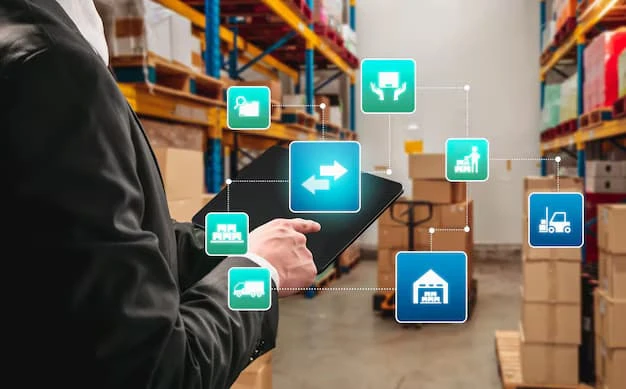

The retail industry has undergone significant transformations in recent years, largely due to the rise of e-commerce, changing consumer expectations, and technological advancements. Today’s consumers expect a seamless shopping experience that integrates both online and offline touchpoints. As a result, retailers are adopting omnichannel strategies to meet these demands, and at the heart of this strategy is the omnichannel fulfillment system. These systems are playing a crucial role in helping retailers provide consistent, flexible, and efficient services to customers, regardless of how or where they choose to shop.
In this article, we will explore the role of omnichannel fulfillment systems in modern retail, examining their importance, benefits, and how they enable retailers to stay competitive in an increasingly complex and fast-paced market.
What Is an Omnichannel Fulfillment System?
An omnichannel fulfillment system is a technology solution that integrates various fulfillment channels, such as physical stores, online platforms, and third-party logistics providers, to provide customers with a seamless and consistent experience across all touchpoints. Unlike traditional retail models, which often operate in silos, an omnichannel approach connects multiple sales channels and fulfillment operations to create a unified and efficient process for order fulfillment.
With an omnichannel fulfillment system, retailers can manage inventory, order processing, and shipping from a centralized system, ensuring that customers receive their orders quickly and accurately, whether they are shopping online, via mobile apps, or in-store.
The Importance of Omnichannel Fulfillment in Modern Retail
Retailers are increasingly adopting omnichannel strategies to stay competitive. Consumers now expect a personalized, smooth, and flexible shopping experience, which has made omnichannel fulfillment systems a vital component of modern retail operations. Below are the main reasons why these systems are so important:
1. Meeting Consumer Expectations
Today’s consumers expect to be able to shop anywhere, at any time, and receive their orders on their terms. Whether it’s choosing in-store pickup, home delivery, or same-day shipping, providing customers with multiple fulfillment options is essential for maintaining a positive relationship with them.
An omnichannel fulfillment system allows retailers to offer these options while ensuring inventory availability, fast processing times, and accurate deliveries. This flexibility enhances customer satisfaction and loyalty, as consumers can shop according to their preferences and receive products as quickly as possible.
2. Streamlining Operations
In a traditional retail model, different fulfillment channels—such as brick-and-mortar stores and online platforms—often operate separately, leading to inefficiencies in inventory management, order processing, and fulfillment. This lack of integration can result in stockouts, delays, and errors, negatively impacting the customer experience.
Omnichannel fulfillment systems solve this problem by integrating all sales and fulfillment channels into one streamlined process. With a unified system, retailers can track inventory in real-time, share data across channels, and optimize workflows. This leads to more efficient operations, reduced errors, and faster order fulfillment.
3. Enhancing Inventory Management
Efficient inventory management is one of the most critical challenges in modern retail. Omnichannel fulfillment systems enable retailers to monitor inventory levels across all locations—whether in a warehouse, distribution center, or physical store—in real-time. By providing a centralized view of inventory, these systems help retailers optimize stock levels, reduce excess inventory, and prevent stockouts.
Moreover, omnichannel systems can prioritize stock distribution based on demand, ensuring that popular items are available where they are most needed. For example, if a product is in high demand online but not in stores, the system can automatically allocate inventory to the e-commerce channel, optimizing stock flow and ensuring products are available when customers want them.
4. Improving Customer Experience
The success of any retail business depends on customer satisfaction, and omnichannel fulfillment systems are essential for enhancing this experience. By offering a consistent and flexible approach to fulfillment, retailers can build trust and loyalty with customers.
Customers benefit from faster shipping times, greater flexibility in choosing delivery options (e.g., ship-to-home, in-store pickup), and the ability to track their orders across multiple channels. Additionally, an omnichannel fulfillment system ensures that customers have access to accurate and up-to-date product availability information, allowing them to make informed purchasing decisions.
Key Features of Omnichannel Fulfillment Systems
To fully capitalize on the advantages of omnichannel fulfillment, retailers must invest in systems that incorporate key features that enable seamless integration across channels. Below are some of the essential features that an omnichannel fulfillment system should offer:
1. Real-Time Inventory Tracking and Visibility
Real-time inventory tracking is critical to the success of any omnichannel fulfillment system. Retailers need to have up-to-date information about inventory levels across all fulfillment channels to ensure products are available when customers need them.
An omnichannel fulfillment system should provide centralized visibility into stock levels, allowing retailers to adjust inventory allocations, replenish stock, and plan for demand fluctuations. With accurate inventory data, businesses can prevent stockouts, minimize overstocking, and improve supply chain efficiency.
2. Order Management System Integration
An effective omnichannel fulfillment system integrates with order management systems (OMS) to ensure that orders are processed accurately and efficiently. The OMS acts as the central hub for managing customer orders, including tracking, processing, and shipping.
By integrating the OMS with the omnichannel fulfillment system, retailers can ensure that orders are routed to the appropriate fulfillment center, whether it’s a warehouse, store, or third-party logistics provider. This integration helps optimize the order fulfillment process, ensuring that products are shipped quickly and accurately.
3. Automated Fulfillment and Order Processing
Automation is a key component of modern omnichannel fulfillment systems. Automated processes, such as robotic picking, packing, and sorting, help speed up fulfillment and reduce human error.
Automated fulfillment systems enable retailers to quickly process orders and route them to the correct location for shipment. This leads to faster order processing times, higher throughput, and improved accuracy in picking and packing. Automation also reduces labor costs and frees up employees to focus on more complex tasks.
4. Flexible Shipping and Delivery Options
Consumers expect a variety of shipping and delivery options, such as same-day shipping, free shipping, and in-store pickup. Omnichannel fulfillment systems offer the flexibility to support these diverse shipping methods.
By integrating multiple carriers and shipping options, retailers can offer customers the ability to select the delivery method that best suits their needs. Whether customers prefer to pick up their orders in-store or have them shipped directly to their homes, omnichannel fulfillment systems can ensure that each order is fulfilled according to the customer’s preferences.
5. Advanced Analytics and Reporting
Omnichannel fulfillment systems often come with advanced analytics tools that provide insights into key performance metrics, such as order fulfillment times, shipping costs, and inventory turnover. These analytics help retailers track the effectiveness of their fulfillment operations, identify areas for improvement, and optimize their supply chain.
By leveraging these insights, retailers can make data-driven decisions that improve the efficiency of their operations, reduce costs, and enhance the overall customer experience.
Benefits of Omnichannel Fulfillment Systems in Modern Retail
Omnichannel fulfillment systems provide numerous benefits to retailers that go beyond just meeting customer expectations. Below are the primary advantages:
1. Increased Efficiency and Cost Savings
By streamlining fulfillment operations and automating key processes, omnichannel fulfillment systems help retailers reduce manual labor, minimize errors, and speed up order processing. This increases operational efficiency, allowing businesses to handle higher order volumes without increasing overhead costs.
2. Better Inventory Control
With real-time visibility into inventory across all fulfillment channels, retailers can make better inventory decisions, optimize stock allocations, and reduce excess inventory. This results in cost savings, improved inventory turnover, and better customer satisfaction.
3. Enhanced Customer Loyalty
Customers are more likely to return to a retailer that provides a seamless, flexible shopping experience. By offering multiple fulfillment options and delivering orders quickly and accurately, omnichannel fulfillment systems help build customer trust and loyalty.
Conclusion
The role of omnichannel fulfillment systems in modern retail is crucial to meeting the evolving demands of today’s consumers. By providing real-time inventory management, integrating multiple sales channels, and offering flexible fulfillment options, these systems help retailers streamline their operations, reduce costs, and improve customer satisfaction. As the retail landscape continues to evolve, omnichannel fulfillment systems will remain at the core of successful retail strategies, enabling businesses to stay competitive and meet the demands of the modern consumer.
At Avectous, we understand the critical role that omnichannel fulfillment plays in today’s retail environment. We are committed to helping businesses implement innovative solutions that optimize their fulfillment operations and enhance the customer experience.





























Sign in to leave a comment.