
Gum disease, also known as periodontal disease, is a common oral health condition that affects millions of people worldwide. It is a progressive condition that starts with inflammation of the gums and, if left untreated, can lead to tooth loss and other serious oral health issues. In this article, we will explore the role of periodontics in managing gum disease and the importance of seeking specialised treatment from a periodontist.
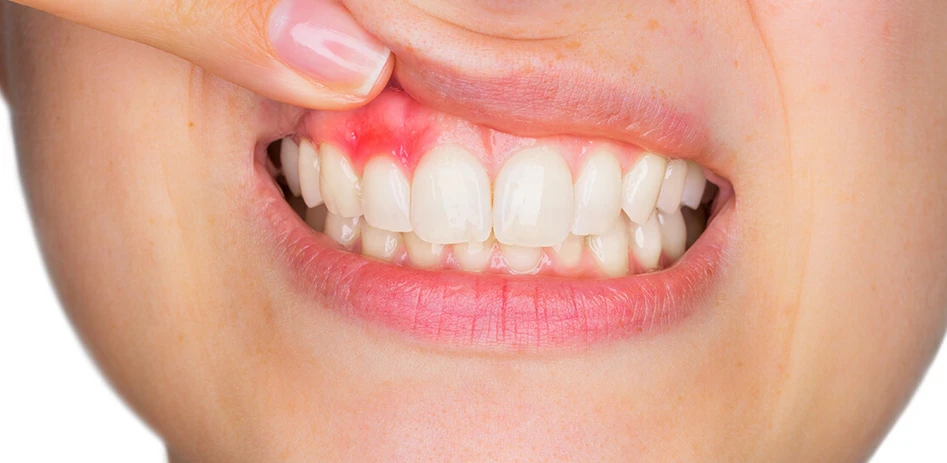
Understanding Gum DiseaseGum disease is caused by bacteria accumulating in the plaque and tartar on the teeth and gums. The initial stage of gum disease, known as gingivitis, is characterised by red, swollen, and bleeding gums. If left untreated, it can progress to periodontitis, where the infection spreads to the supporting structures of the teeth, including the gums, bones, and ligaments.
The Importance of Periodontal TreatmentPeriodontal treatment is essential for managing gum disease and preventing its progression. While regular dental cleanings and good oral hygiene practices can help prevent gum disease, specialised treatment from a periodontist is crucial for addressing advanced cases. Periodontists are dental specialists who have undergone additional training in diagnosing, preventing, and treating gum diseases.
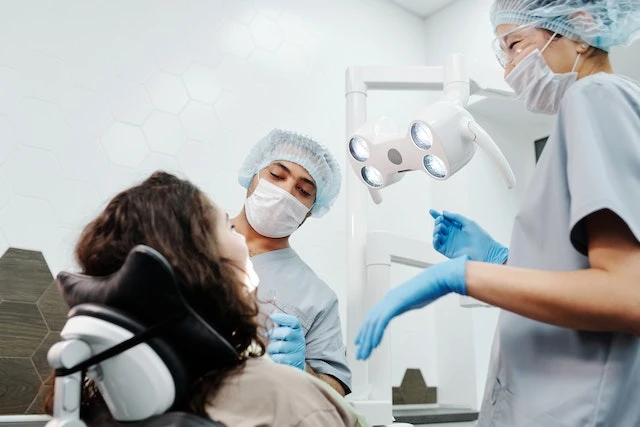
Diagnosis and Assessment:When you visit a periodontist, they will thoroughly examine your gums, teeth, and supporting structures. This may involve measuring the depth of the gum pockets, taking X-rays to assess the bone level, and evaluating the overall condition of your oral health. This comprehensive assessment helps the periodontist develop an individualised treatment plan tailored to your needs.
Non-Surgical Periodontal Treatments:In the early stages of gum disease, non-surgical treatments are often effective in managing the condition. These treatments may include:
Scaling and Root Planing: This deep cleaning procedure involves removing plaque and tartar from the tooth surfaces and beneath the gumline. It helps eliminate bacteria and promotes gum healing. Antibiotic Therapy: Local or systemic antibiotics may sometimes be prescribed to control bacterial infection and reduce inflammation. Laser Therapy: Advanced technologies, such as laser therapy, can remove infected tissue and promote healing.Surgical Periodontal Treatments:In more advanced cases of gum disease, surgical interventions may be necessary. Some common surgical periodontal treatments include:
Flap Surgery: This procedure involves lifting the gums to access the roots of the teeth and remove tartar buildup. It allows for better cleaning and reattachment of the gums to the teeth. Bone Grafting: When gum disease has caused bone loss, bone grafting can be performed to regenerate and restore the damaged bone. Gum Grafting: In cases where the gum tissue has receded, gum grafting can be done to cover exposed tooth roots and improve the aesthetics and stability of the gums.Maintenance and Ongoing Care:After undergoing periodontal treatment, it is crucial to maintain good oral hygiene practices and attend regular follow-up appointments with your periodontist. They will monitor your oral health, perform necessary cleanings, and provide guidance on how to prevent gum disease from recurring.
Risk Factors for Gum DiseaseUnderstanding the risk factors for gum disease can help individuals take proactive steps in prevention. Some common risk factors include:
Poor Oral Hygiene: Inadequate brushing and flossing allow plaque to accumulate, increasing the risk of gum disease. Tobacco Use: Smoking and chewing tobacco significantly increase the likelihood of developing gum disease and hinder its treatment. Diabetes: Individuals with diabetes are more prone to gum disease due to compromised immune systems and impaired healing abilities. Hormonal Changes: Hormonal fluctuations during pregnancy or menopause can make gums more susceptible to inflammation and gum disease. Genetics: Some individuals may have a genetic predisposition to gum disease, making them more prone to developing the condition.Conclusion
Gum disease is a severe oral health condition that requires specialised treatment. Periodontics plays a vital role in managing gum disease, from diagnosis and assessment to providing non-surgical and surgical treatments. By seeking the expertise of a periodontist and following their recommended treatment plan, you can effectively manage gum disease, preserve your oral health, and maintain a beautiful smile for years to come.
Remember, early detection and intervention are crucial to preventing the progression of gum disease. If you suspect gum disease or are concerned about oral health, don't hesitate to schedule a consultation with a periodontist at Shiraz Endodontic Practice. Your oral health is our priority, and our highly trained specialists are here to provide you with the personalised care you deserve.
































Sign in to leave a comment.