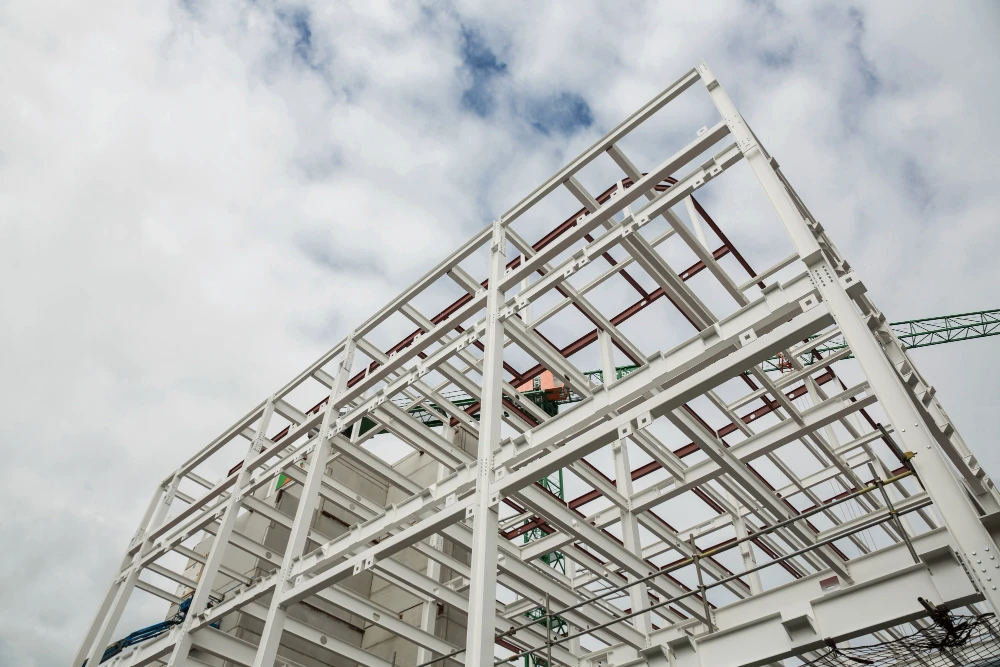
As urban areas continue to grow and land availability becomes more limited, multi-storey developments have become a vital solution for residential, commercial, and mixed-use construction. To meet the demands of height, load performance, speed, and safety, builders and developers increasingly rely on steel frame structures as the backbone of modern multi-storey buildings.
Steel framing has transformed how taller buildings are designed and constructed. Its strength-to-weight ratio, precision engineering, and adaptability make it ideally suited to multi-level projects where performance and efficiency are critical. This article explores the key role steel frame structures play in multi-storey developments and why they are now the preferred choice across Australia.
Understanding Steel Frame Structures in Multi-Storey Construction
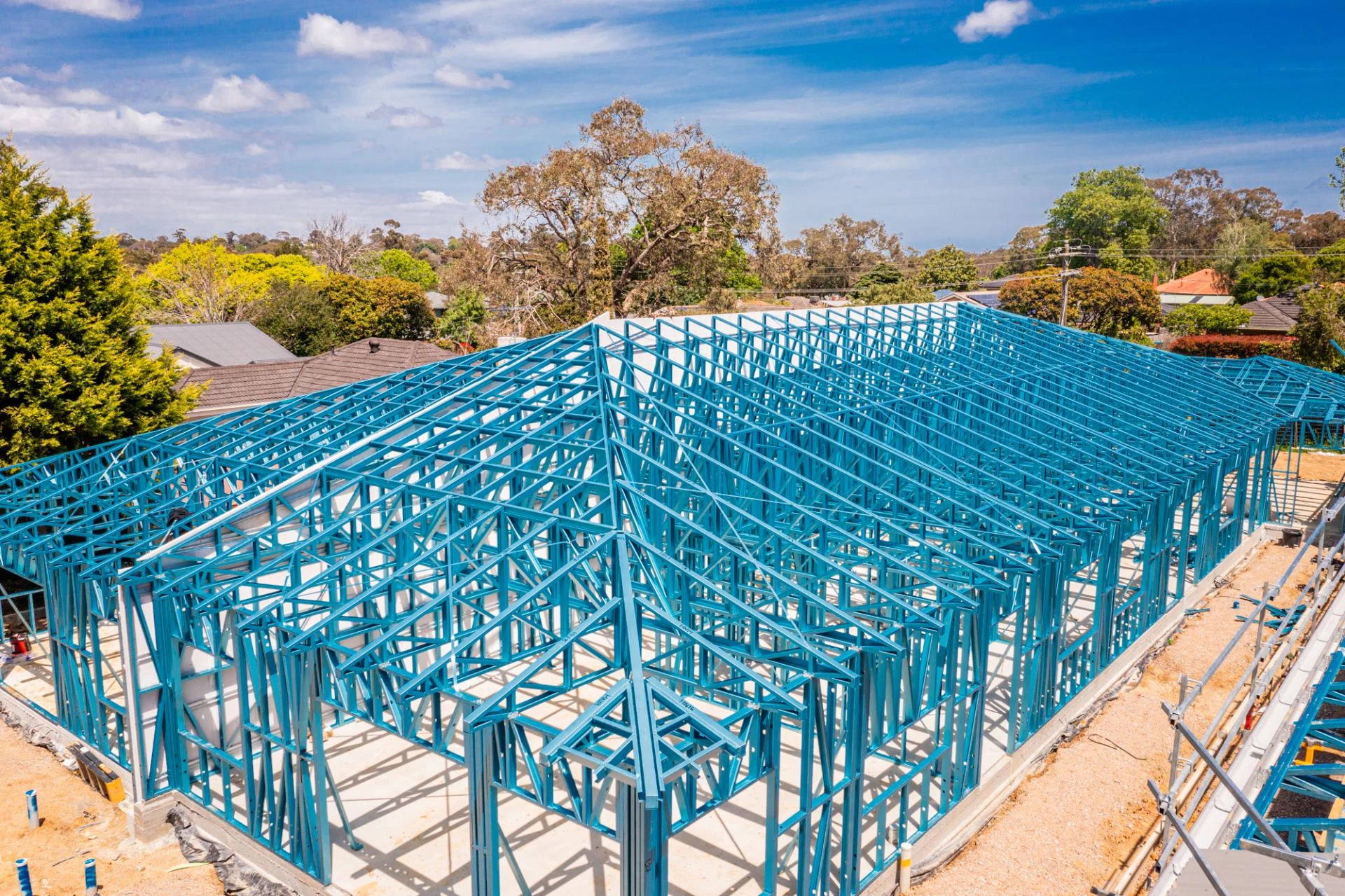
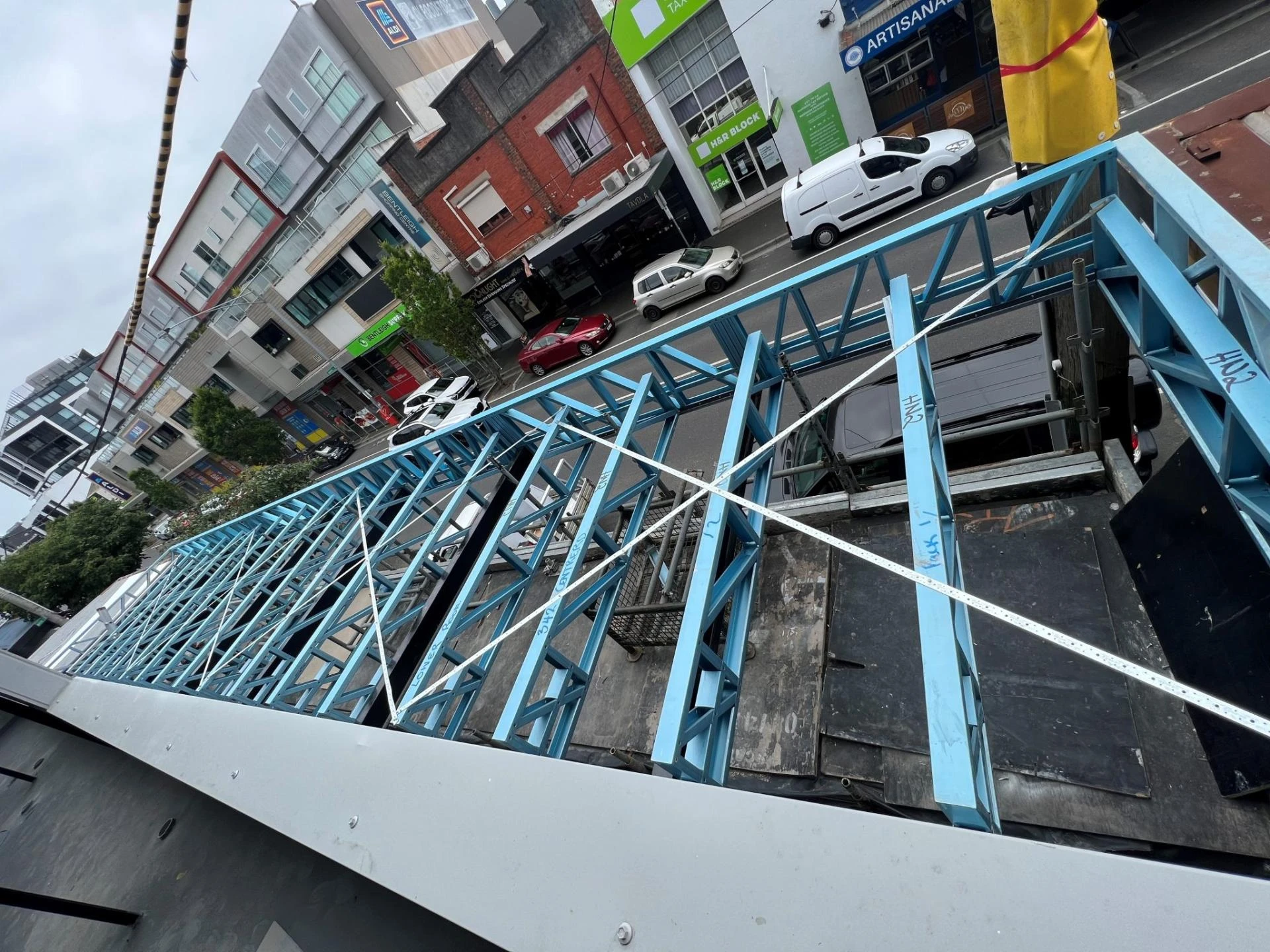
Steel frame structures use engineered steel components—including columns, beams, joists, and bracing systems—to form the primary structural framework of a building. These systems can be customised to support multiple levels while maintaining structural integrity, flexibility, and compliance with Australian Standards.
In multi-storey developments, steel frames are commonly used for:
- Apartment buildings
- Commercial offices
- Hotels and student accommodation
- Mixed-use developments
- Industrial and retail complexes
The versatility of steel allows architects and engineers to design taller, lighter, and more efficient structures without compromising safety or durability.
Strength and Load-Bearing Capability
One of the most significant advantages of steel frame structures is their exceptional strength-to-weight ratio. Steel can support heavy loads across multiple levels while remaining lighter than traditional concrete or masonry systems.
Why this matters in multi-storey buildings:
- Supports increased vertical loads efficiently
- Allows for longer spans and fewer internal columns
- Reduces foundation loads and excavation requirements
By distributing loads evenly through the structure, steel frames ensure stability while enabling more open and functional floor layouts.
Faster Construction Timelines
Time efficiency is critical in multi-storey developments, where delays can significantly increase costs. Steel frame structures contribute to faster construction cycles due to off-site fabrication and streamlined installation.
Key time-saving benefits include:
- Prefabricated components manufactured off-site
- Minimal on-site cutting or adjustments
- Faster floor-by-floor assembly
Steel frames can be erected rapidly, allowing follow-on trades to begin sooner and helping developers meet tight project schedules.
Precision and Design Accuracy
Steel frame components are manufactured using computer-aided design (CAD) and engineering software, ensuring high levels of accuracy and consistency.
This precision results in:
- Perfect alignment across multiple floors
- Accurate openings for windows, doors, and services
- Reduced rework and construction errors
In multi-storey developments, even small inaccuracies can multiply across levels. Steel framing eliminates this risk, maintaining dimensional accuracy from the ground floor to the top level.
Improved Structural Stability and Safety
Multi-storey buildings must withstand a range of forces, including wind loads, seismic activity, and occupant movement. Steel frame structures are engineered to perform reliably under these conditions.
Safety advantages of steel framing:
- High resistance to lateral forces
- Consistent performance under load
- Non-combustible material properties
Steel’s predictable behaviour under stress makes it easier for engineers to design structures that meet strict safety and performance standards.
Design Flexibility for Modern Developments
Steel frame structures offer unmatched design flexibility, allowing architects to create innovative and functional spaces within multi-storey buildings.
Design advantages include:
- Longer clear spans without internal supports
- Easier integration of balconies and cantilevers
- Adaptability for future modifications or extensions
This flexibility supports contemporary architectural styles while ensuring the structure remains efficient and buildable.
Integration with Building Services
Steel frames are designed with pre-punched service holes, making it easier to install electrical, plumbing, and HVAC systems across multiple floors.
Benefits for multi-storey developments:
- Faster service installation
- Reduced on-site drilling and cutting
- Improved coordination between trades
This integration helps maintain a smooth workflow and prevents delays caused by service clashes or modifications.
Sustainability and Environmental Performance
Sustainability is increasingly important in large-scale developments. Steel frame structures support environmentally responsible construction practices.
Sustainability benefits include:
- High recyclability of steel materials
- Reduced construction waste
- Efficient use of materials through precision design
Lighter steel structures can also reduce foundation requirements, lowering material use and environmental impact.
Long-Term Durability and Maintenance Benefits
Steel frame structures are resistant to many issues that affect traditional materials, including:
- Termites and pests
- Rot and moisture damage
- Warping or shrinkage
For multi-storey developments, this durability translates into lower long-term maintenance costs and improved building longevity, making steel framing a cost-effective investment over time.
Compliance with Australian Building Standards
Steel frame systems are widely recognised and approved under Australian building regulations. When properly designed and installed, steel frames comply with:
- Australian Standards (AS)
- National Construction Code (NCC) requirements
- Fire and structural performance guidelines
This compliance simplifies approval processes and provides confidence for developers, certifiers, and stakeholders.
Why Steel Frame Structures Are Ideal for Multi-Storey Projects
In multi-storey developments, success depends on strength, speed, accuracy, and long-term performance. Steel frame structures deliver all of these benefits while supporting modern design requirements and sustainability goals.
From residential apartments to commercial towers, steel framing provides a reliable and future-ready solution for vertical construction.
Call to Action
Planning a multi-storey development and need a reliable structural solution?
Professional steel frame structures offer the strength, precision, and efficiency required for complex, multi-level projects.
👉 Get in touch today to discuss your multi-storey development and learn how expertly designed and installed steel frame structures can improve build speed, safety, and long-term performance.
FAQs: Steel Frame Structures in Multi-Storey Developments
1. Are steel frame structures suitable for high-rise buildings?
Yes. Steel frame structures are widely used in multi-storey and high-rise construction due to their strength, stability, and design flexibility.
2. How does steel framing compare to concrete in multi-storey developments?
Steel frames are lighter and faster to install, while offering comparable structural performance. This can reduce foundation requirements and construction timelines.
3. Do steel frame buildings meet fire safety regulations?
Yes. Steel is non-combustible and, when properly protected, meets all Australian fire safety standards.
4. Can steel frame structures support future building modifications?
Absolutely. Steel frames are highly adaptable, making future extensions or layout changes easier to implement.
5. Are steel frame structures cost-effective for large projects?
While initial costs may vary, reduced build time, lower maintenance, and long-term durability often make steel frame structures more cost-effective over the life of the building.
Sign in to leave a comment.