Introduction
In today’s fast-paced construction industry, efficiency and cost-effectiveness are top priorities. Traditional building methods often come with delays, material waste, and higher labour expenses. This is where steel frame systems shine. Known for their strength, precision, and adaptability, steel framing has become the go-to choice for builders and developers who want to save both time and money without compromising on quality.
In this blog, we’ll explore how steel frame systems help reduce construction timelines and costs while delivering long-term value for both residential and commercial projects.
1. Precision Engineering Minimises Errors
One of the main causes of delays in construction is human error. Timber and concrete builds often require on-site modifications, which can slow down projects and increase labour costs.
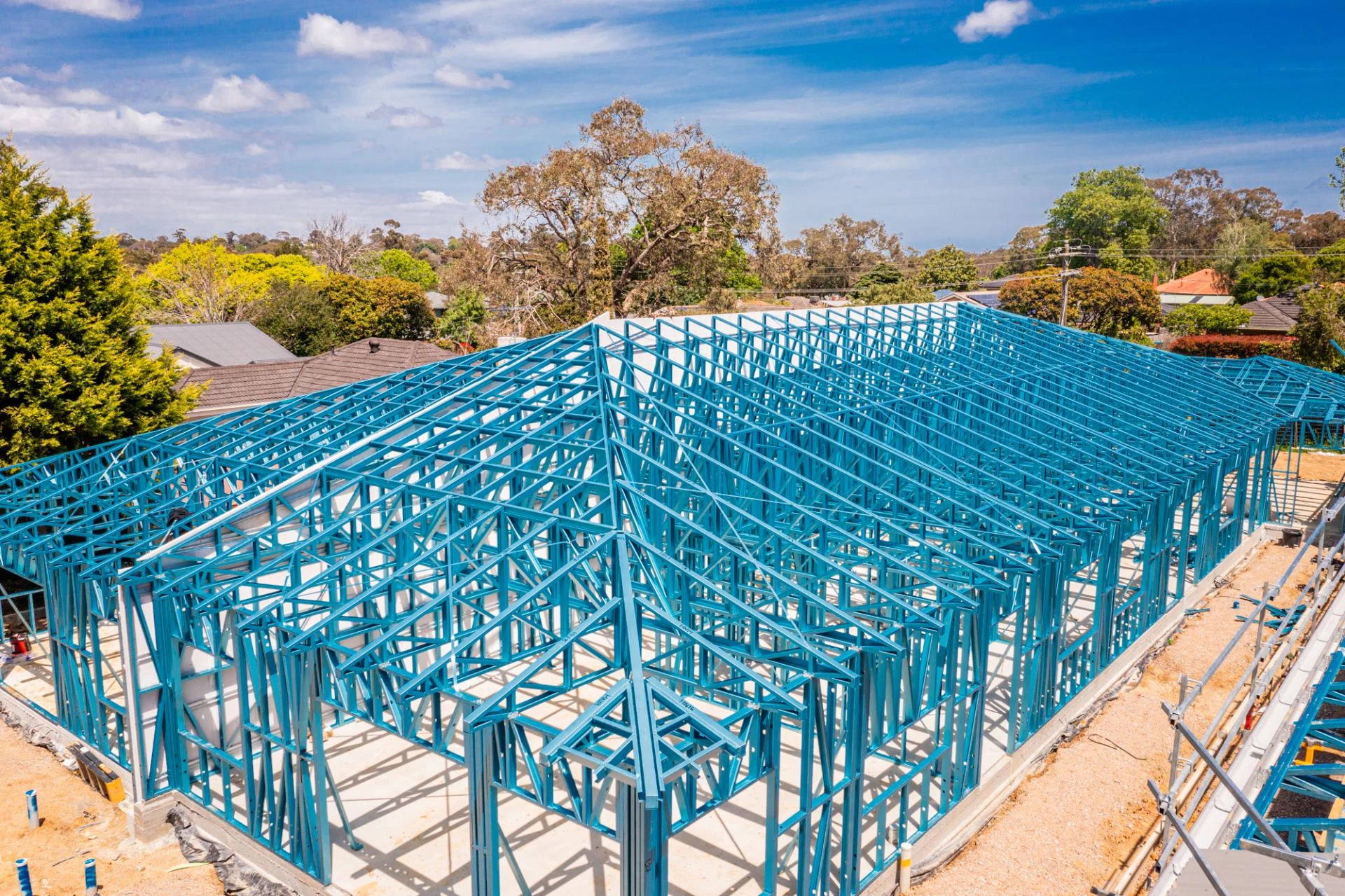
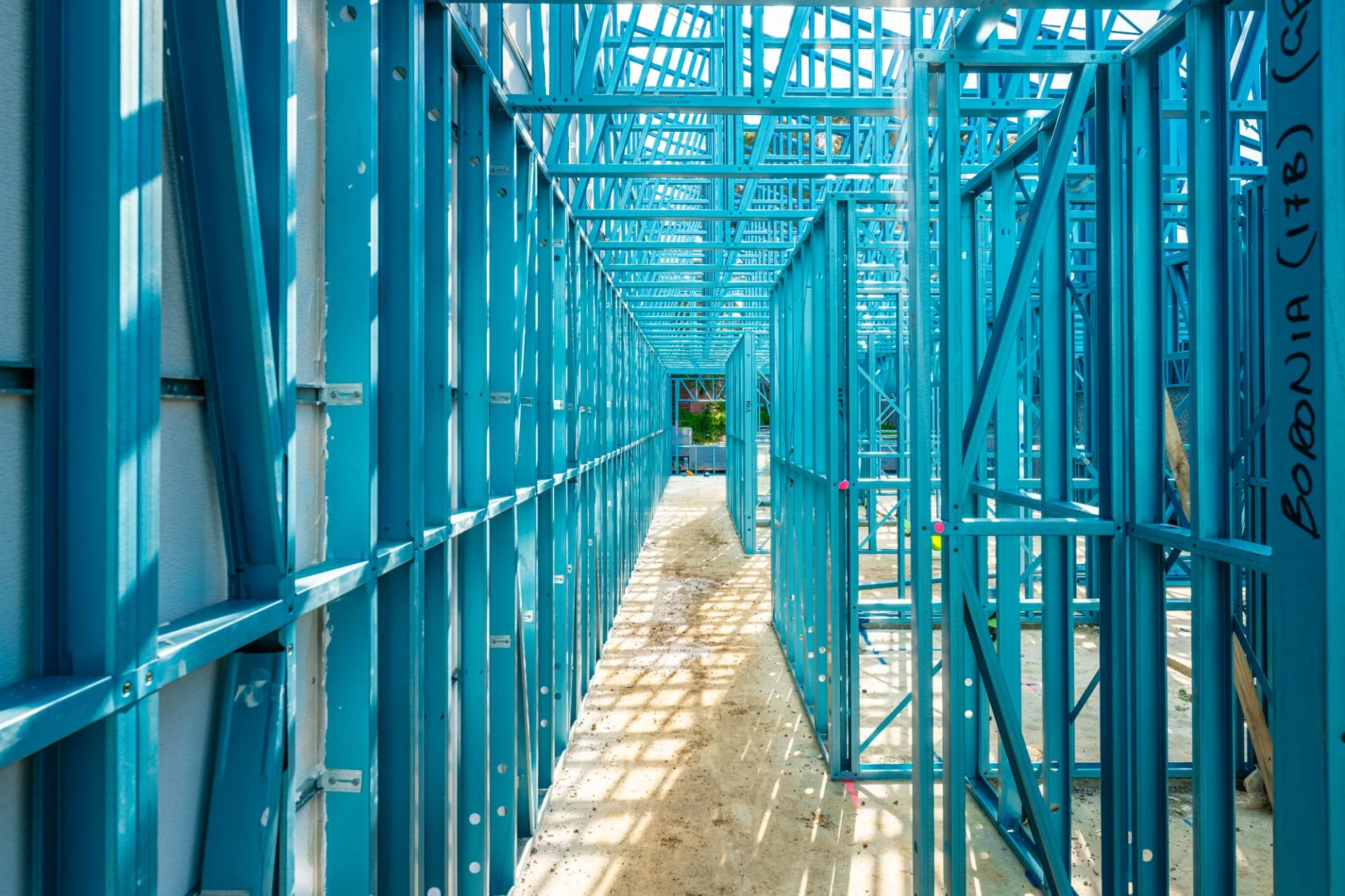
Steel frame systems, however, are manufactured off-site with precision engineering and advanced technology. Every component is cut, shaped, and pre-punched to exact specifications. This eliminates measurement errors and reduces the need for adjustments during installation. The result? Faster assembly, fewer delays, and lower costs associated with mistakes.
2. Faster On-Site Assembly
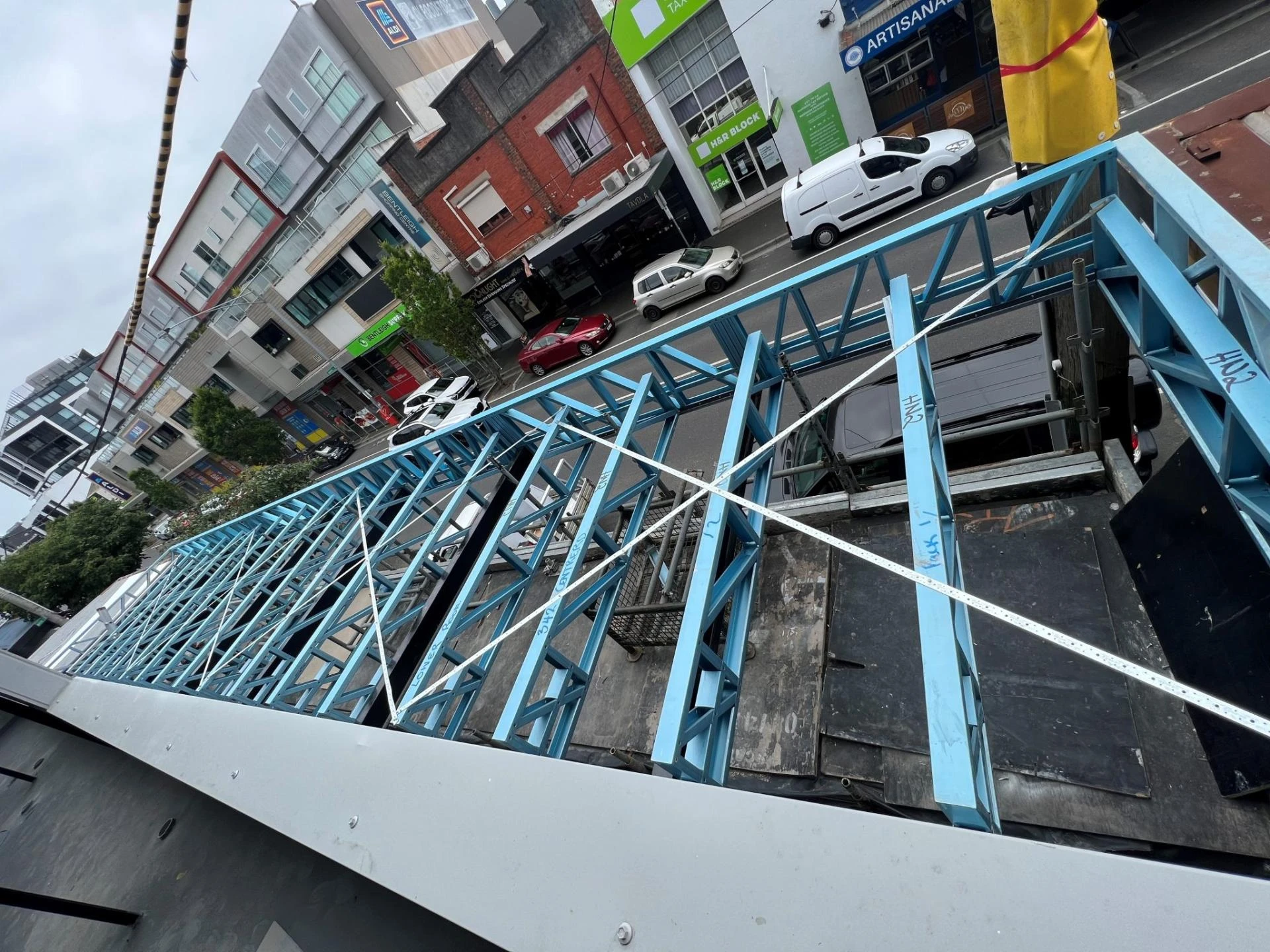
Unlike traditional methods that demand lengthy on-site fabrication, steel frame systems are delivered ready to install. Components are lightweight yet strong, making them easier to handle and assemble. This allows construction teams to complete framing much quicker than with timber or concrete.
For example, a residential home built with steel framing can often be completed in a matter of weeks instead of months. For commercial developments, faster timelines mean reduced financing costs and quicker project turnover.
3. Reduced Labour Costs
Labour is one of the biggest expenses in construction. With steel frames, less time is spent on-site, meaning fewer labour hours are required. Additionally, the installation process is straightforward and doesn’t require highly specialised skills, further cutting down costs.
This efficiency is especially beneficial in cities like Melbourne, where labour shortages and higher wages can significantly impact project budgets.
4. Lower Maintenance and Long-Term Savings
Steel frame systems don’t just save money during construction — they also reduce long-term maintenance expenses. Unlike timber, steel doesn’t warp, rot, or attract termites. This means fewer repair and replacement costs over the lifespan of the building.
Insurance premiums are often lower as well, since steel frames offer better resistance against fire, pests, and natural disasters. These ongoing savings contribute to a lower total cost of ownership.
5. Less Waste = Lower Material Costs
Traditional framing methods often produce significant on-site waste, which not only increases disposal costs but also harms the environment. Steel framing systems are manufactured with minimal waste. Most of the steel used is recyclable, and any leftover material can be repurposed.
By reducing waste, builders save on both raw material and disposal costs, making steel frames a cost-effective and sustainable choice.
6. Scalability and Flexibility
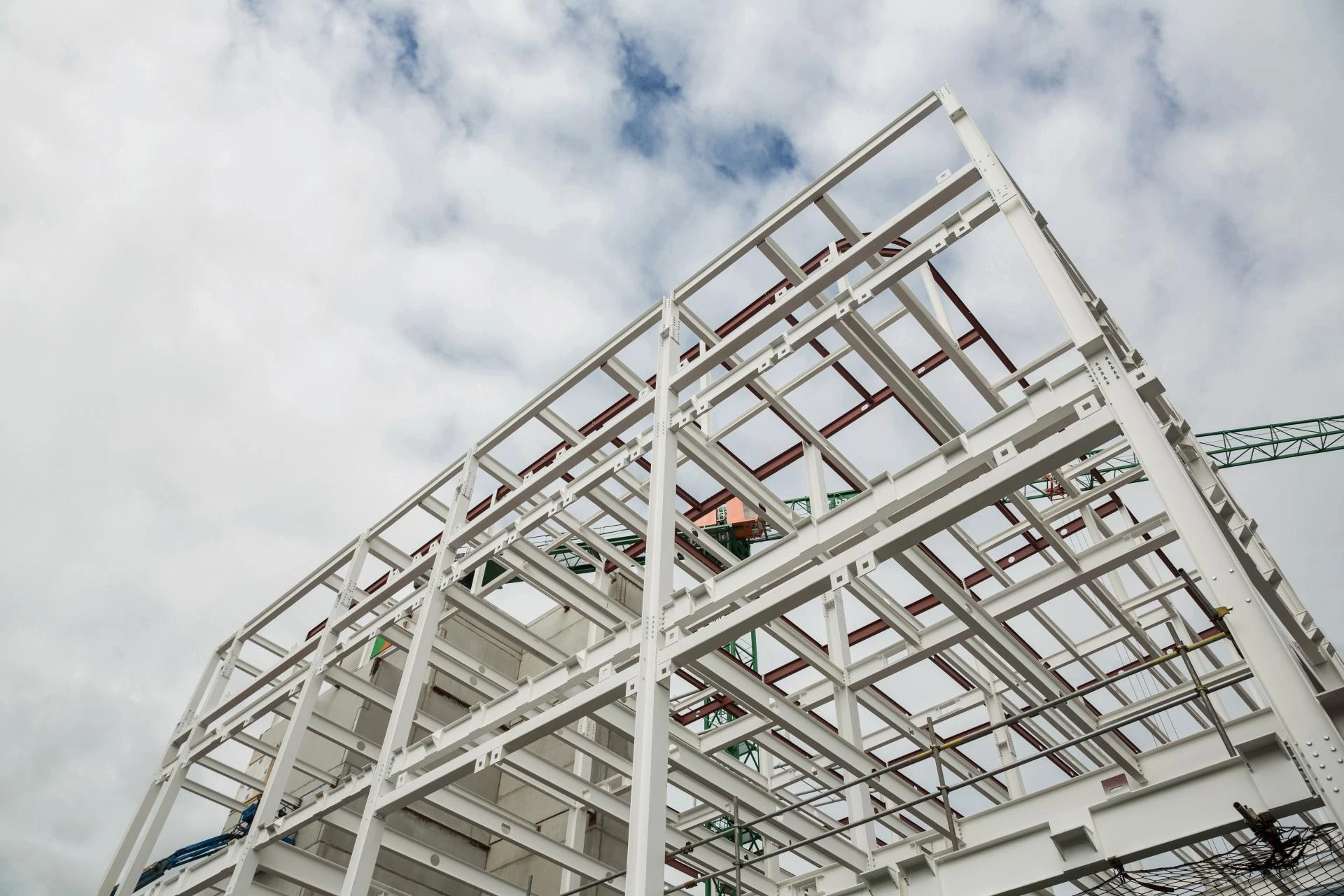
Steel frame systems are modular by design, meaning they can be scaled up or down depending on project requirements. Whether it’s a residential home, a multi-storey building, or a commercial warehouse, steel frames can be adapted to fit specific budgets and timelines.
This scalability ensures developers and homeowners get exactly what they need — without paying for unnecessary delays or modifications.
7. Case in Point: Steel in Melbourne’s Construction Industry
In Melbourne’s competitive construction market, speed and efficiency can make or break a project. Steel frame systems allow builders to meet deadlines, reduce project costs, and deliver durable, modern structures that comply with local building standards.
It’s no surprise that steel frame homes, offices, and warehouses are becoming increasingly popular across Victoria.
Conclusion
Steel frame systems are more than just a modern building material — they’re a smart investment. By reducing build times, lowering labour costs, minimising waste, and offering long-term savings, steel framing provides unmatched value for residential and commercial projects.
If you’re planning your next build, choosing steel framing could be the decision that saves you both time and money.
Call to Action
At CMC Steel Solutions, we specialise in precision-engineered steel frame systems designed to make your project faster, more affordable, and more durable. Whether you’re building a home, an office, or a large-scale commercial project, our team delivers solutions tailored to your needs.
👉 Contact us today to discuss your project and discover how steel framing can save you time and money.
FAQs
Q1: Are steel frame systems more expensive upfront than timber?
Steel may have a slightly higher upfront cost, but the savings in labour, reduced timelines, and long-term maintenance make it more cost-effective overall.
Q2: How much faster is steel frame construction compared to timber?
Depending on project size, steel framing can cut down construction time by 30–50%, saving weeks or even months.
Q3: Is steel framing suitable for residential homes?
Yes! Steel frames are ideal for residential projects, offering strength, durability, and design flexibility.
Q4: Will steel framing reduce long-term maintenance costs?
Absolutely. Steel resists rot, warping, pests, and fire, which significantly lowers repair and replacement expenses over time.
Q5: Can steel frames be customised for different designs?
Yes. Steel frame systems are highly versatile and can be designed to suit both simple and complex architectural requirements.




















Sign in to leave a comment.