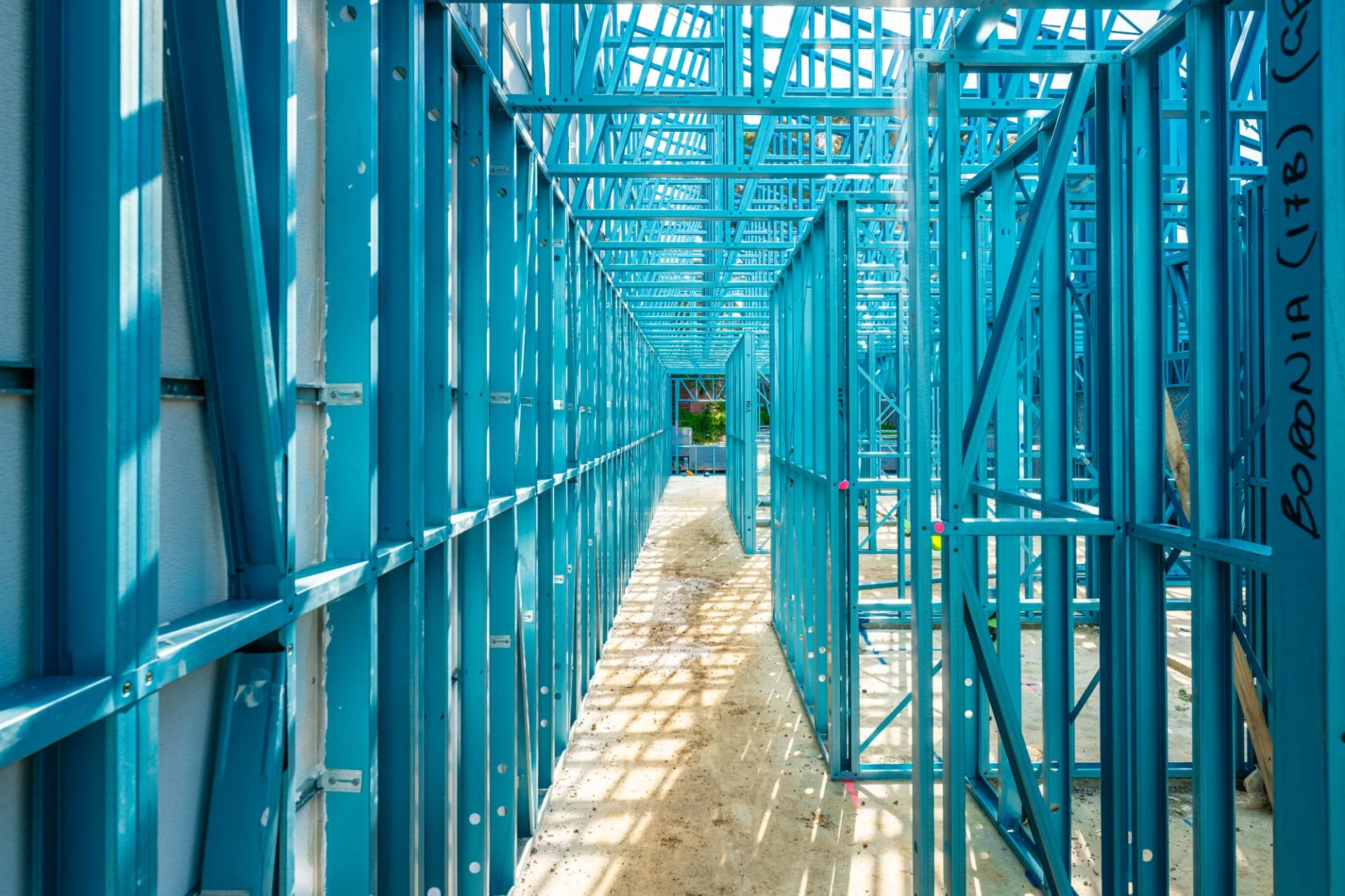

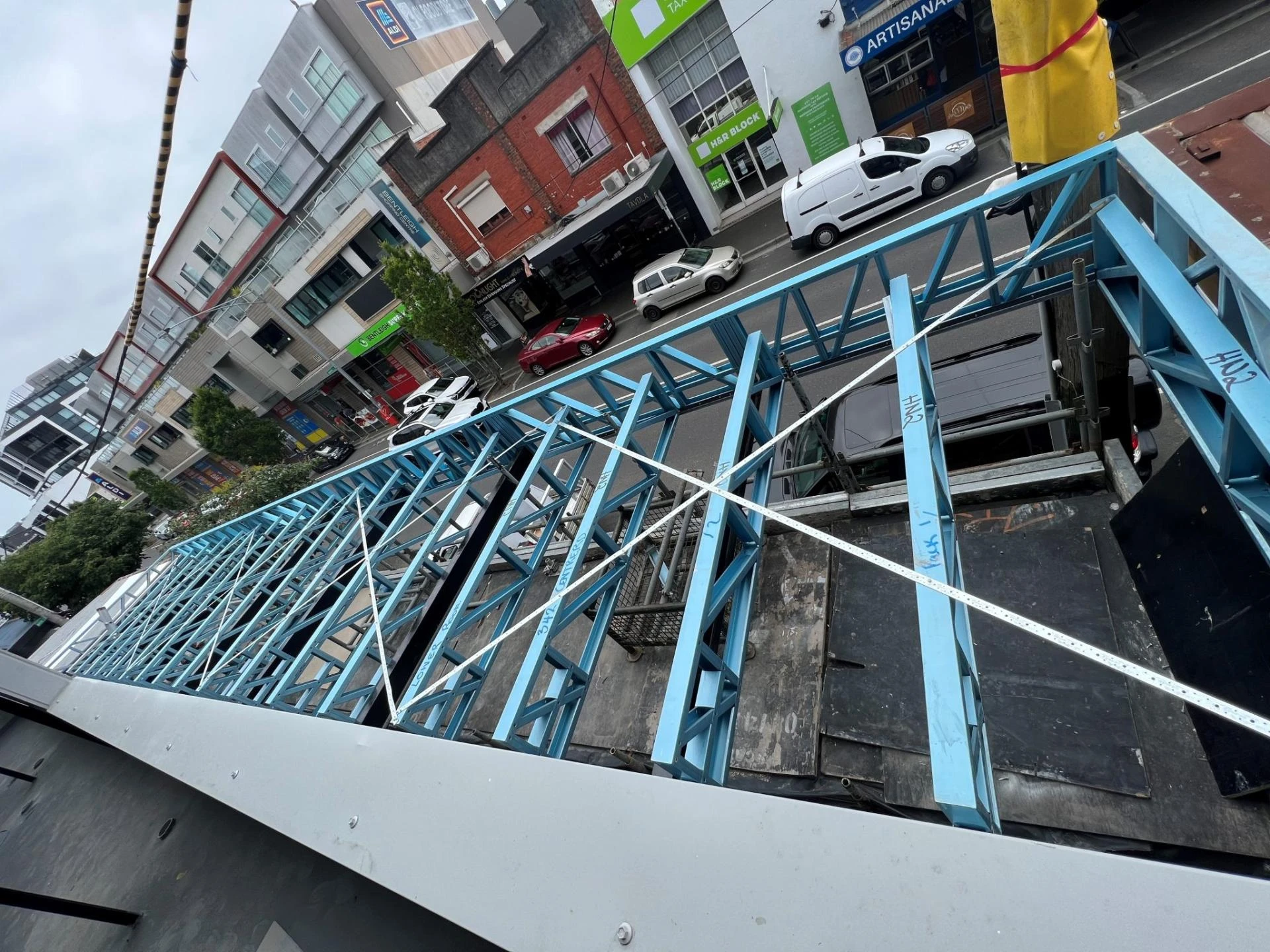
Installing metal trusses is a key phase in many residential, commercial, and industrial construction projects. Known for their strength, durability, and ease of prefabrication, metal trusses are often the preferred choice over traditional timber—especially in structures requiring wide spans or high load capacities.
However, even the best materials can underperform if not installed correctly. Mistakes during metal truss installation can lead to cost overruns, structural weaknesses, safety hazards, or even complete failure of the roofing system.
In this article, we’ll walk you through the most common mistakes made during metal truss installation and how to avoid them—whether you're a builder, contractor, or project manager.
Why Proper Truss Installation Matters
Metal trusses support your building’s roof, ceiling, or floor loads. Installed properly, they ensure:
- Structural stability
- Long-term durability
- Efficient load transfer
- Safety compliance
- Ease of maintenance and upgrades
A poorly installed metal truss can compromise all of the above—so let’s dig into what you shouldn’t do.
1. Skipping or Misinterpreting Structural Drawings
Mistake: Not following engineered drawings and layout plans to the letter.
Why it’s a problem:
Trusses are designed with exact spacing, orientation, and load-bearing points. Misplacing even one truss can throw off the load balance across the structure, leading to stress fractures or roof sag.
How to avoid it:
- Always work from the approved structural and architectural drawings.
- Don’t rely on visual estimates or verbal instructions.
- Double-check alignment and spacing before fastening anything in place.
2. Using Incorrect or Incompatible Fasteners
Mistake: Using nails, bolts, or screws that don’t meet spec—or mixing materials (e.g., galvanised fasteners with untreated steel).
Why it’s a problem:
Incorrect fasteners can cause premature rusting, structural loosening, or connection failure over time.
How to avoid it:
- Use fasteners specified by the truss manufacturer or engineer.
- Choose corrosion-resistant, high-strength bolts or screws, especially for outdoor or coastal environments.
- Avoid mixing incompatible metals, which can trigger galvanic corrosion.
3. Improper Lifting and Handling
Mistake: Damaging the trusses during delivery, unloading, or crane lifting.
Why it’s a problem:
Bent or warped truss members reduce load-bearing capacity and may not align properly during installation.
How to avoid it:
- Use designated lifting points and appropriate lifting gear (e.g., spreader bars, lifting slings).
- Store trusses on level ground, supported evenly along the length.
- Handle trusses carefully to avoid accidental drops or bending.
4. Incorrect Bracing or Temporary Support
Mistake: Rushing through or skipping temporary bracing during installation.
Why it’s a problem:
Before the trusses are permanently connected, they're vulnerable to buckling or collapse, especially in windy conditions.
How to avoid it:
- Use temporary lateral and diagonal bracing to hold trusses steady during placement.
- Follow manufacturer guidelines for temporary bracing angles and spacing.
- Don’t remove bracing until the roof sheeting or permanent bracing is in place.
5. Not Accounting for Environmental Conditions
Mistake: Installing trusses during strong winds or heavy rain.
Why it’s a problem:
Metal trusses are lightweight and long—making them susceptible to movement. Wind can easily twist or topple a partially installed truss.
How to avoid it:
- Monitor weather conditions and avoid installation during high winds.
- Secure all components tightly as soon as they’re in place.
- Store unused trusses in a protected, secured area.
6. Inadequate Inspection Before and After Installation
Mistake: Not inspecting the trusses upon delivery or after installation.
Why it’s a problem:
Defective trusses or poorly connected joints might not show immediate issues—but they can compromise structural safety in the long run.
How to avoid it:
- Inspect all trusses for damage or defects before installation.
- Have a qualified supervisor check alignment, spacing, and fasteners after installation.
- Ensure all bolts are tightened to spec and bracing is complete before proceeding with roofing.
7. Skipping Engineer Sign-Off or Certification
Mistake: Finishing the install without getting an engineer’s final approval.
Why it’s a problem:
In many jurisdictions (including Melbourne), an engineer’s sign-off is required to verify that the installation meets building code and safety standards.
How to avoid it:
- Plan a final inspection with your structural engineer after installation.
- Keep records of all installation specs and any modifications made on-site.
- Don't proceed to roofing until structural approval is confirmed.
Bonus Tip: Work With Experienced Metal Truss Installers
If you're unfamiliar with metal truss systems, DIY or improvised installations can be risky. Hiring experienced installers ensures:
- Faster timelines
- Proper bracing and anchoring
- Compliance with building regulations
- Fewer callbacks and repairs
Conclusion: Avoiding Mistakes = Safer, Smarter Builds
Installing metal trusses correctly is critical to the overall safety and durability of your building project. From layout errors to fastener issues and environmental risks, these common mistakes can all be avoided with proper planning, training, and professional oversight.
Whether you're managing a residential build or a large-scale commercial project, avoiding these pitfalls can save you time, money, and headaches.
Call to Action
Looking for reliable metal truss installation in Melbourne?
At CMC Steel Solutions, we specialise in engineered steel framing and metal truss systems for homes, commercial builds, and industrial projects. Our experienced team ensures precision, safety, and full code compliance—every time.
Request a quote or book a consultation today.
FAQs About Metal Truss Installation
Q1: Can I install metal trusses myself?
If you have professional experience and the right tools, it’s possible—but not recommended for most builders. Incorrect installation can lead to safety risks and non-compliance with building codes.
Q2: Are metal trusses more expensive to install than timber?
The material cost may be slightly higher, but faster installation, less maintenance, and longer lifespan usually make metal more cost-effective overall.
Q3: How long does it take to install metal trusses?
It depends on project size and complexity. Most residential roof truss installs can be completed in 1–2 days with an experienced crew.
Q4: Do metal trusses rust over time?
Not if they are galvanised or treated for corrosion. It's crucial to use coated steel and proper fasteners to prevent rust.
Q5: What’s the weight limit for metal trusses?
Metal trusses can handle heavy loads, but every system is engineered to specific requirements. Always follow the manufacturer’s load ratings.


























Sign in to leave a comment.