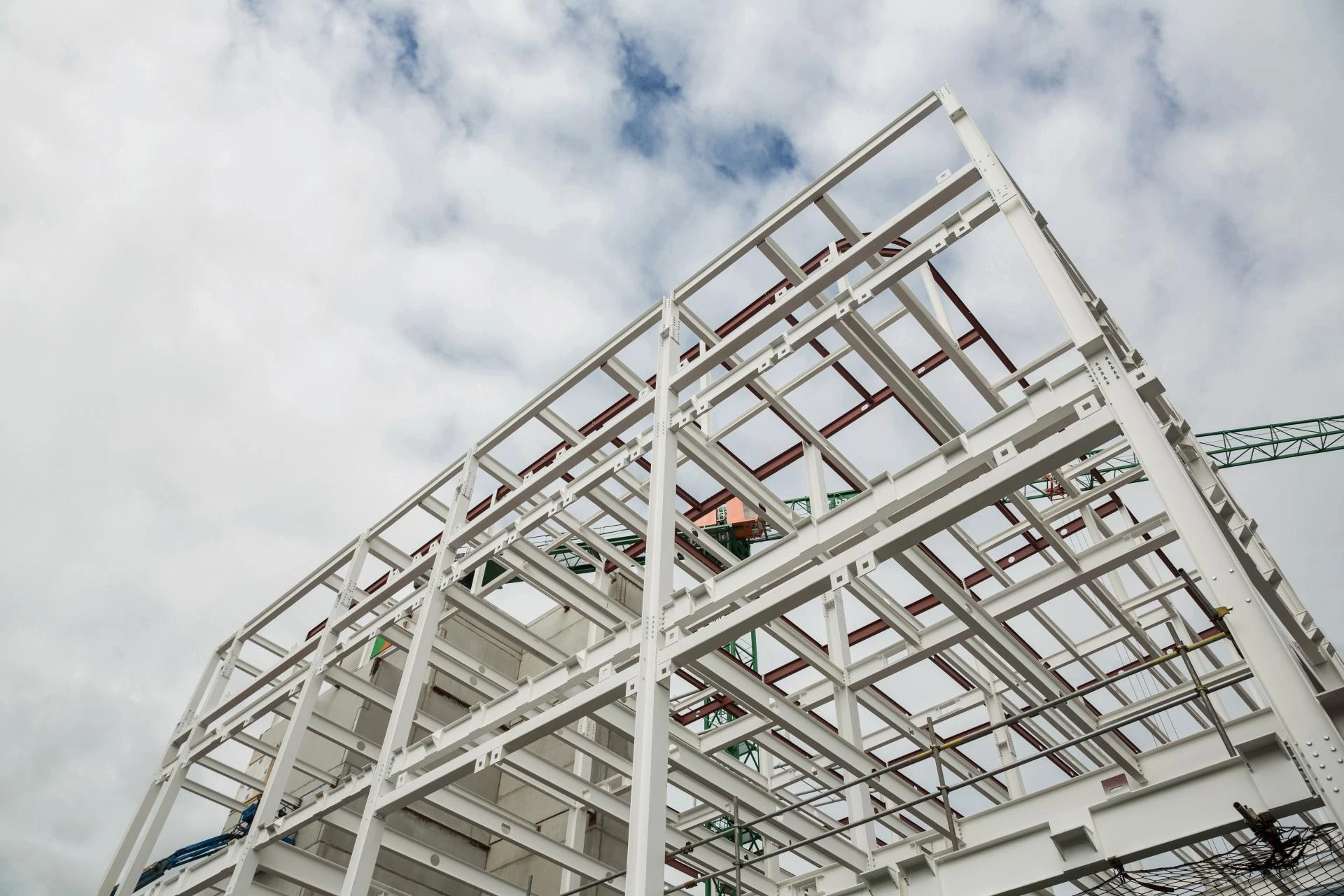

Steel stud wall systems are revolutionising the construction industry — offering precise, lightweight, and fire-resistant solutions that outperform traditional timber framing in many ways. However, to unlock the full benefits of steel framing, the layout and design must be optimised from the start.
Whether you're working on a high-rise in Melbourne's CBD or a modern residential project in the suburbs, efficient steel stud wall layouts can dramatically reduce installation time, cut waste, and enhance structural integrity.
In this guide, we’ll walk through the key strategies to optimise steel stud wall systems for both speed and strength — helping architects, engineers, and builders get the most out of their steel framing investments.
1. Why Steel Stud Wall Systems Are Gaining Popularity
Steel stud framing is used for both load-bearing and non-load-bearing walls in commercial, industrial, and increasingly residential construction.
Core Benefits:
- Lightweight but strong
- Non-combustible
- Resistant to warping, rot, and termites
- Dimensionally stable and accurate
- Recyclable and environmentally friendly
But the real magic happens when steel studs are integrated into a well-planned, efficient layout — one that anticipates structural needs, service integration, and installation sequencing.
2. Key Components of Steel Stud Wall Systems
Before diving into layout optimisation, it’s important to understand the basic components of a steel stud wall system:
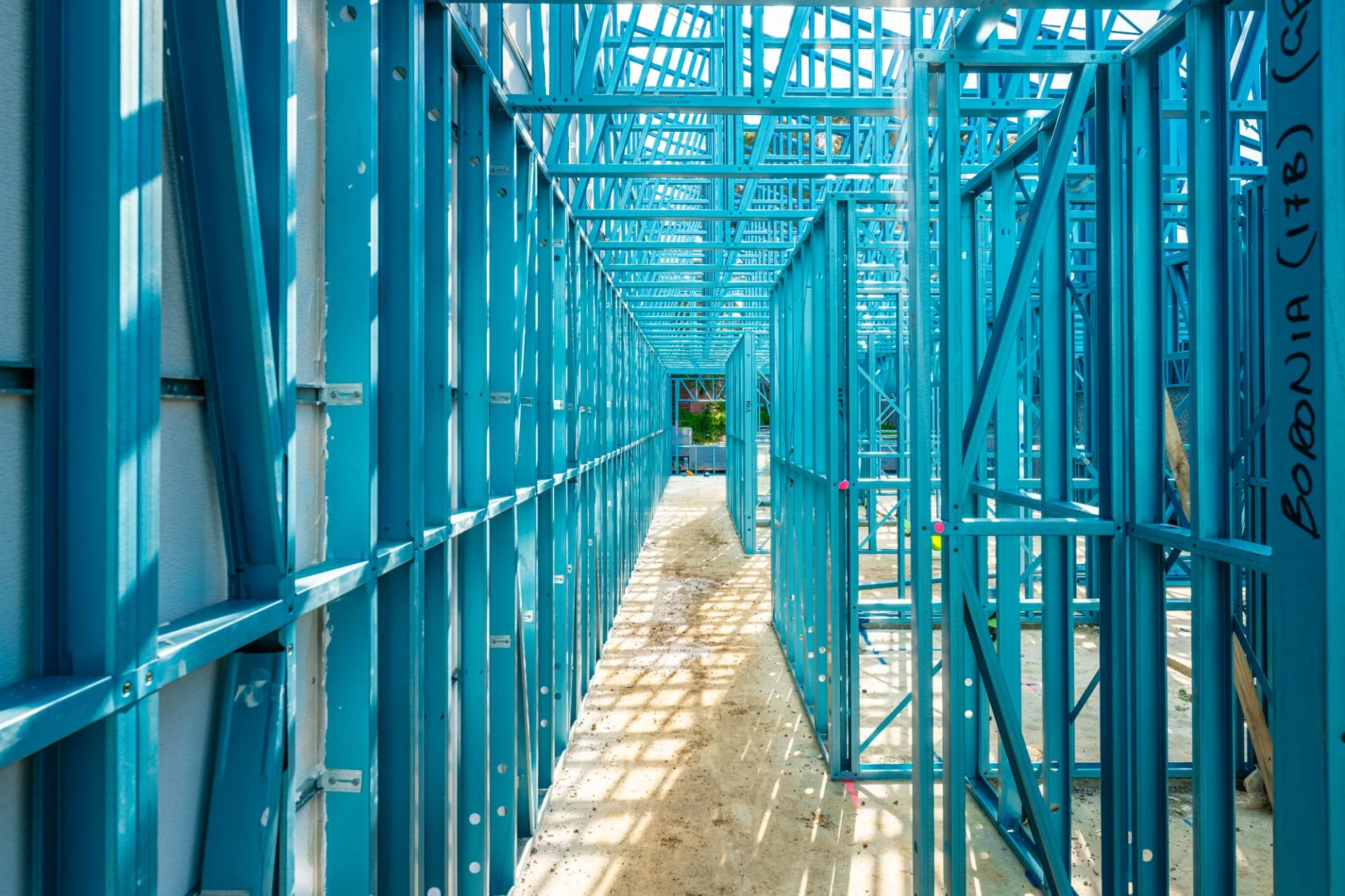
- Studs: Vertical members that form the frame; can vary in width, gauge, and depth.
- Tracks: U-shaped channels that hold the top and bottom of the studs.
- Bracing: Reinforcements used to resist lateral movement.
- Noggings (Bridging): Horizontal support between studs for added rigidity.
- Fasteners & fixings: Screws and connectors used to assemble and secure components.
- Service holes: Pre-punched holes for plumbing, wiring, and HVAC services.
A well-designed system uses these components efficiently without over-engineering or compromising performance.
3. Strategies to Optimise Layout for Speed
✅ Use Standardised Stud Spacing
Stick to standard spacing (typically 450mm or 600mm centres) unless specific load conditions require otherwise. This speeds up both manufacturing and on-site assembly while reducing material waste.
✅ Minimise Custom Cuts
Design walls using standard stud lengths where possible. Custom cutting adds time, complexity, and potential for error — especially during installation.
✅ Incorporate Pre-Punched Service Holes
Select studs with pre-punched holes for electrical and plumbing routing. This eliminates the need for on-site drilling and reduces risk of damaging studs or violating fire safety requirements.
✅ Pre-Fabricate Off-Site Where Possible
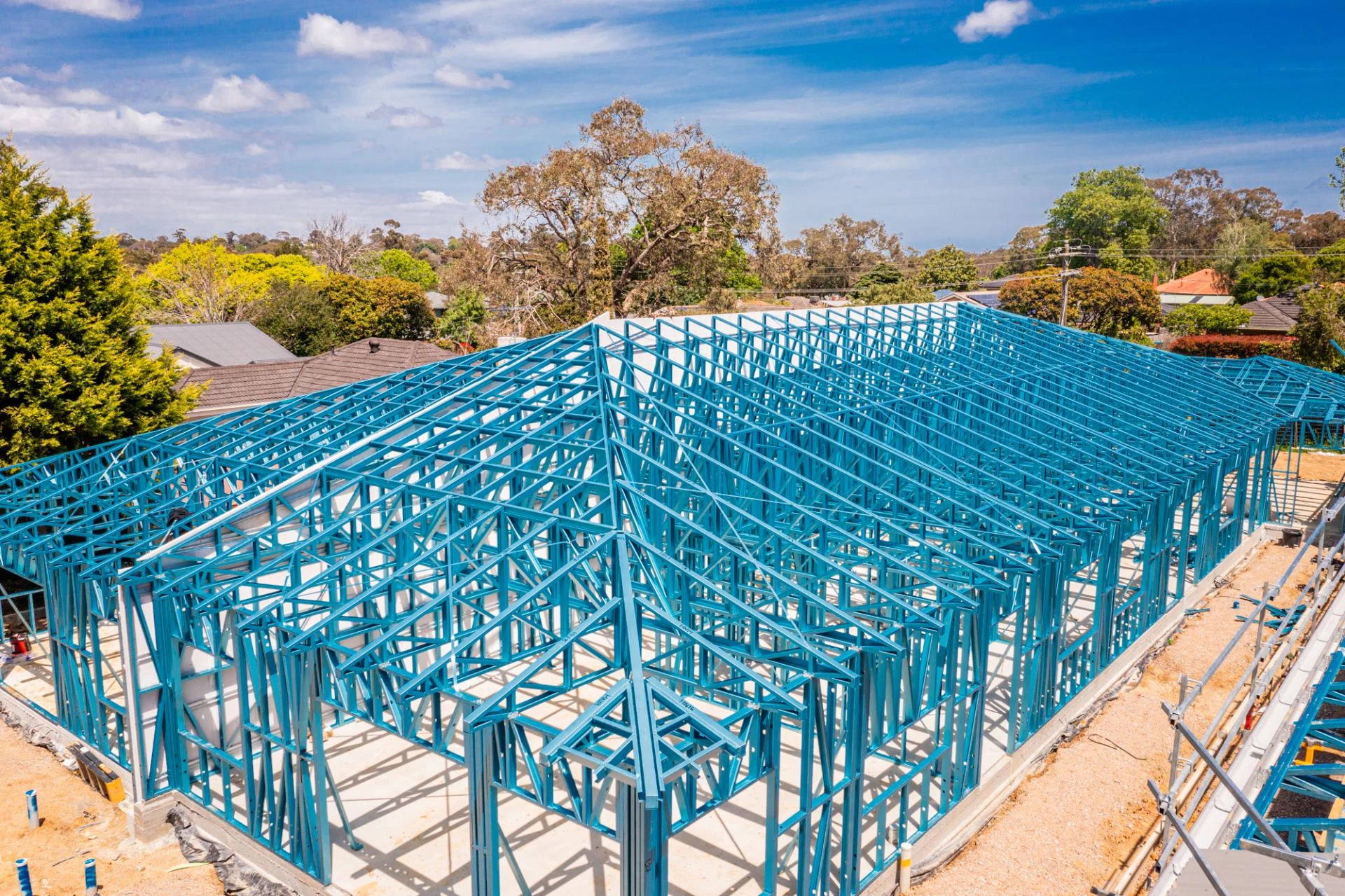
Prefabricated steel wall panels, delivered ready to install, can dramatically reduce on-site labour time — particularly beneficial for large-scale or repeatable layouts.
✅ Simplify Connections
Use consistent fasteners and well-documented connection details. Reduce complexity in corners, junctions, and openings to speed up fixing and reduce installation errors.
4. Strategies to Optimise Layout for Strength
✅ Select the Right Gauge and Stud Size
Use load calculations to determine the required steel thickness (gauge) and stud dimensions. Avoid over- or under-specifying — both add unnecessary cost or compromise integrity.
✅ Factor in Load Types
Identify:
- Dead loads (weight of wall finishes and fixtures),
- Live loads (occupants and furnishings),
- Lateral loads (wind, seismic activity).
Wall layouts should reflect these forces with appropriate bracing, stud density, and anchor types.
✅ Plan for Openings and Penetrations
Doors, windows, and service access points require reinforced framing. Use jamb studs, headers, and noggings to distribute loads around these elements.
✅ Incorporate Bracing for Lateral Stability
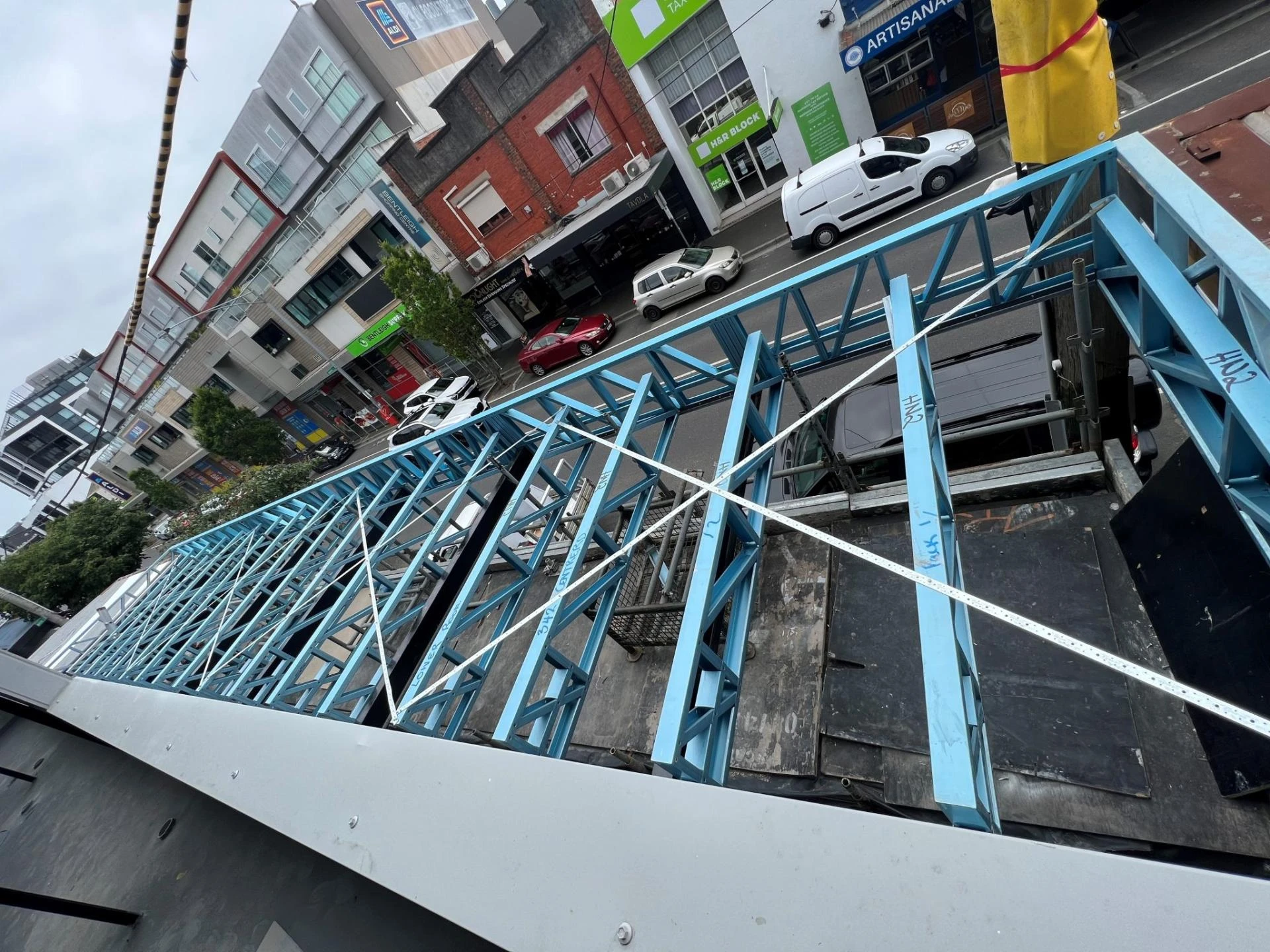
Diagonal bracing or rigid sheet bracing (e.g. structural plywood or steel sheathing) is critical for resisting racking and improving overall wall performance.
✅ Design for Deflection Limits
Especially in commercial buildings, check allowable deflection under wind loads to prevent cracking in wall linings and maintain facade alignment.
5. Coordination Is Key
No wall system exists in isolation. Efficiency and strength both rely on coordination across disciplines — especially with:
- Plumbing and electrical layouts
- Mechanical ducting routes
- Window and door schedules
- Ceiling and floor systems
Bring your steel frame manufacturer or supplier into the project early. Their design team can optimise the framing layout in conjunction with the architect and engineer, eliminating rework and delays down the track.
6. Software and Digital Tools
Modern framing projects benefit from tools like:
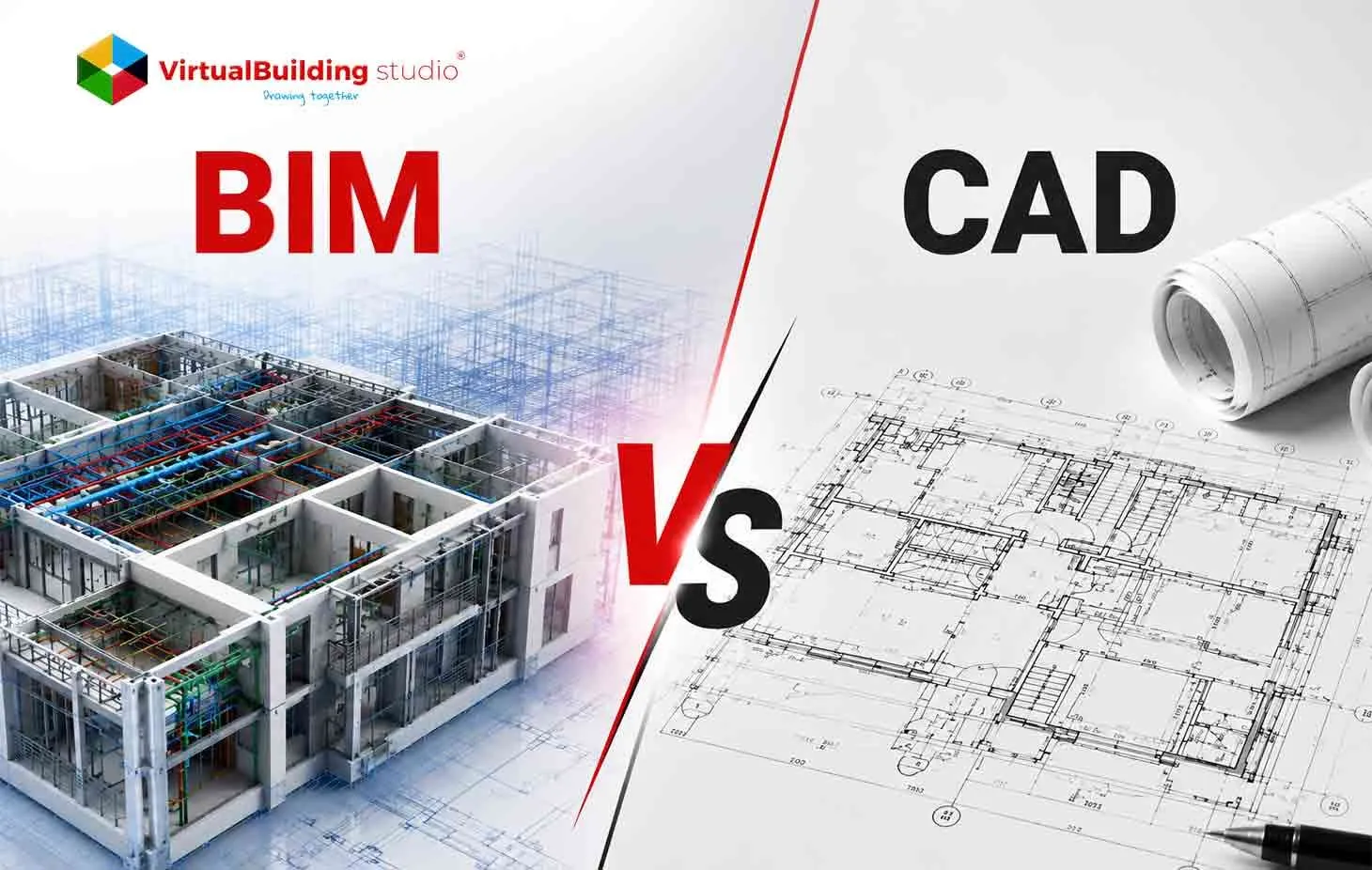
- CAD/BIM integration for clash detection and accurate take-offs
- 3D framing software for modelling and testing layouts
- Automated detailing systems from leading suppliers for fast approvals
These tools help design teams visualise and refine layouts in the early phases, reducing on-site surprises and improving constructability.
7. Melbourne Considerations
Melbourne’s climate, building codes, and bushfire zoning introduce specific considerations:
- BAL Ratings: Opt for steel stud walls in bushfire-prone areas for better compliance.
- Thermal Performance: Steel conducts heat — use insulation wraps, thermal breaks, and vapour barriers where required.
- Wind Loads: Sites in outer Melbourne or elevated locations must meet stricter wind load resistance.
- Acoustic Requirements: Commercial builds often require enhanced acoustic framing and insulation systems.
Efficient layouts in these scenarios require a localised understanding of both code and climate — not just standard engineering templates.
Conclusion
Steel stud wall systems offer significant advantages in today’s construction industry — but without an optimised layout, you risk losing time, strength, and money. By embracing standardisation, correct material selection, service coordination, and prefabrication opportunities, you can ensure your steel wall framing performs as intended.
Whether you're building apartments in inner Melbourne or commercial structures across Victoria, efficient wall framing starts with smart design choices.
Call to Action
At CMC Steel Solutions, we provide engineered steel stud wall systems tailored to your project’s unique needs — from residential builds to large-scale commercial construction across Melbourne.
Our team offers:
- Custom design support
- Fabricated steel stud wall systems
- Installation-ready framing kits
- Compliance with AS/NZS standards and NCC requirements
👉 Get in touch today to request a quote or speak with a framing expert about your next project.
Frequently Asked Questions (FAQs)
❓ What is the standard spacing for steel studs in wall systems?
Typically 450mm or 600mm centres, depending on load requirements and lining type. Standard spacing improves efficiency and material use.
❓ Can steel stud walls support structural loads?
Yes, if designed correctly. Load-bearing steel stud walls require thicker gauge studs and appropriate bracing. Always consult with a structural engineer.
❓ Are steel stud walls fire-resistant?
Yes. Steel is non-combustible and ideal for fire-rated wall systems — particularly important in multi-residential and commercial construction.
❓ Do steel stud systems reduce build time?
When optimised and prefabricated, steel stud wall systems can significantly reduce construction timelines compared to traditional timber framing.
❓ Are steel stud wall systems suitable for residential homes?
Absolutely. More Melbourne builders are using light gauge steel studs for their precision, durability, and termite resistance in residential builds.




























Sign in to leave a comment.