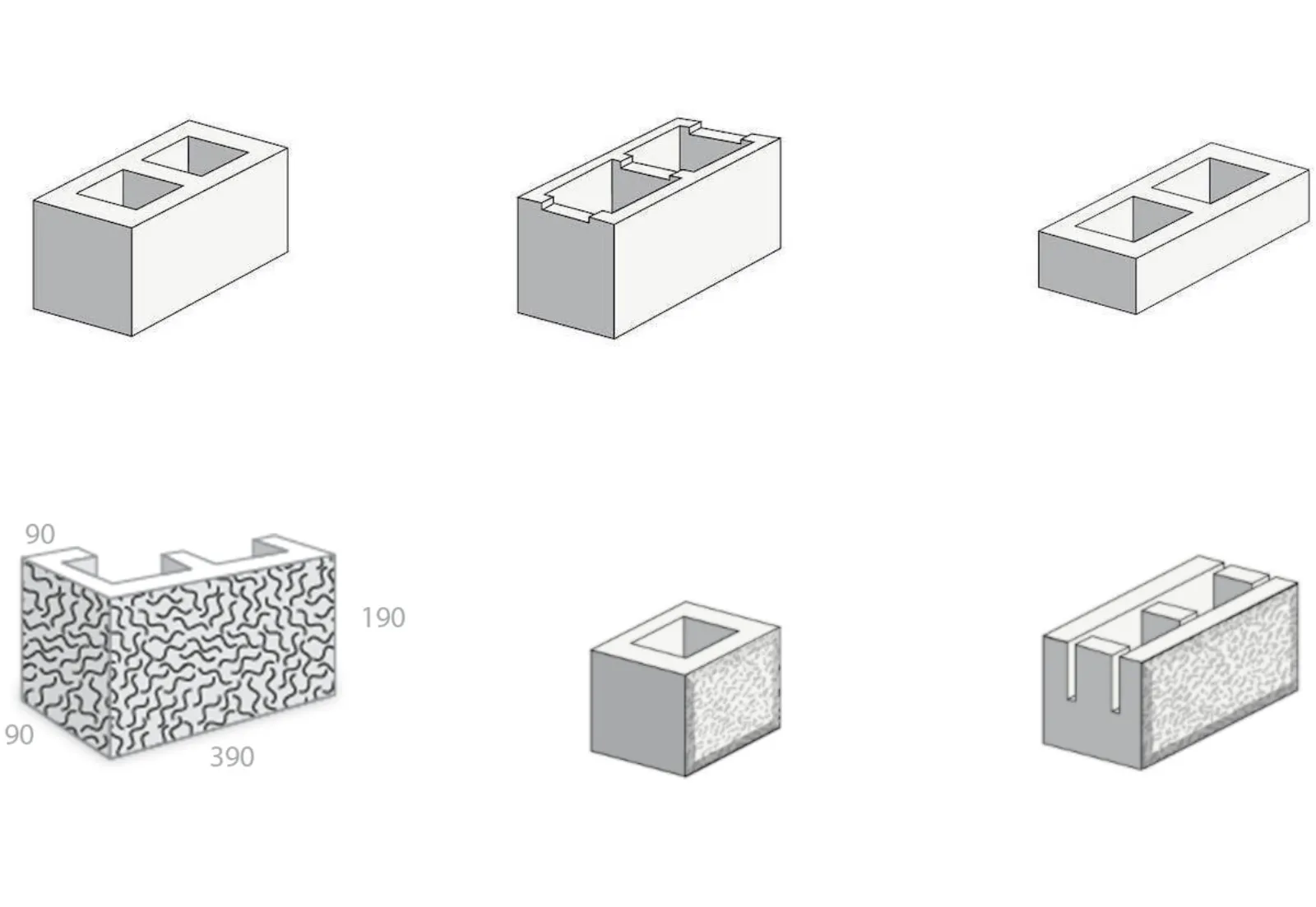
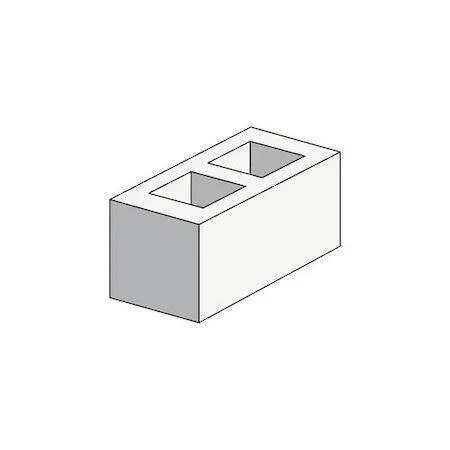
When a residential or commercial project goes off the rails in Australia, it is mainly due to one of two reasons: unpredictable site costs or material failure under the harsh Australian climate. Choosing structural masonry, such as concrete blocks, is a practical way to take that risk off the table right from the design phase. Across local building sites, concrete masonry units, or besser blocks as most tradies call them, remain a standard choice because they offer predictable material performance and long-term structural reliability.
There is a difference between choosing the cheapest material and choosing the one least likely to create expensive surprises. This is where concrete blocks continue to earn their place.
CONCRETE BLOCKS REDUCE RISK LONG BEFORE THE WALLS GO UP
Most project blowouts that you observe will never begin with dramatic structural failures. They start with small decisions that create ongoing costs, and concrete blocks help reduce those risks by offering the following:
- Consistent dimensions for faster installation
- Reliable structural capacity when correctly specified
- Excellent fire resistance
- Good acoustic separation
- Low ongoing maintenance
Australia's National Construction Code (NCC) continues to place strong emphasis on compliant structural systems, fire safety and durability. Materials with long, proven performance records generally involve less compliance headache than untested alternatives.
This is one of the main reasons why engineers rarely object to properly designed concrete block systems.
AFFORDABLE DOESN'T MEAN CUTTING CORNERS
The purchase price tells only part of the story, and factors like labour, repairs, maintenance, replacement cycles and weather damage usually determine the real cost of a wall over twenty or thirty years. This means that a cheaper wall system that requires regular repairs will quickly stop being the same cheap. Concrete blocks generally perform well because they resist the following:
- Termite attack
- Rotting
- Moisture damage
- UV deterioration
- Impact from everyday use
The durability they showcase matters a lot across Australia, particularly in regions dealing with heavy rain, bushfire risk or prolonged summer heat. As the Housing Industry Association (HIA) regularly notes, material selection has a direct influence on lifecycle building costs, and not simply initial construction budgets.
MATERIAL PERFORMANCE MATTERS MORE THAN MARKETING
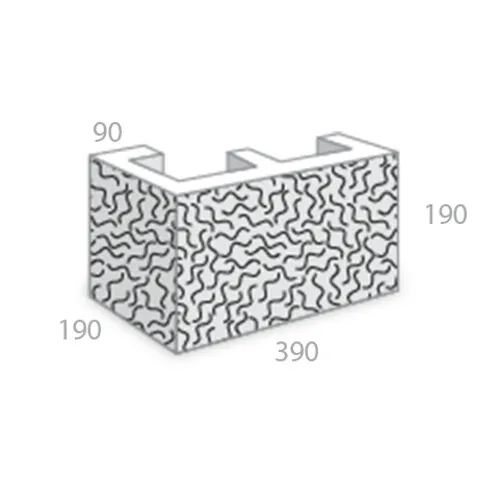
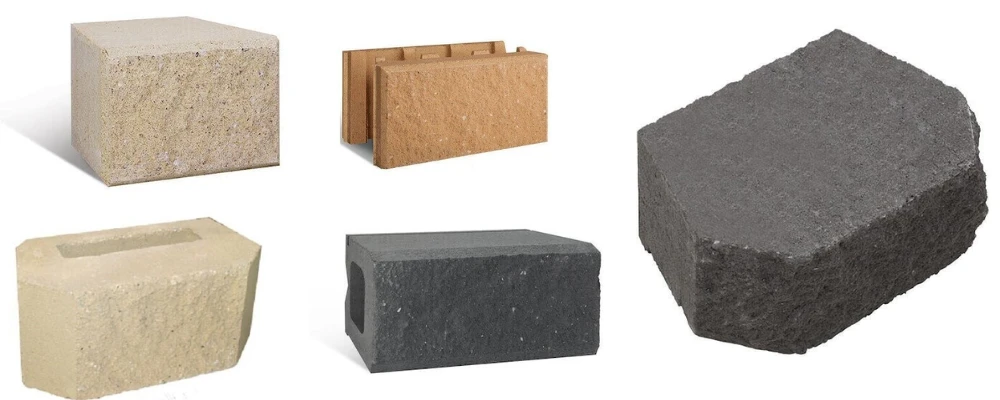
All manufacturers promise durability, but in practice, performance comes from matching the right product to the right application. Retaining walls, garden edging, commercial buildings and load-bearing structures each demand different block specifications. Experienced concrete block suppliers and building contractors are aware of this, and hence, they spend more time discussing compressive strength, drainage, reinforcement and footing preparation than product brochures.
The logic is simple that even the best concrete blocks cannot compensate for poor installation. This is often overlooked by homeowners searching for besser blocks for sale, where price comparisons tend to dominate conversations instead of suitability.
STRUCTURAL RELIABILITY SAVES MONEY QUIETLY
Structural problems rarely appear immediately, and movements may take years before cracks become visible. Properly installed concrete block systems offer predictable behaviour because their engineering properties have been understood for decades. According to Standards Australia and the National Construction Code (NCC), compliance relies on both material quality and correct installation. This predictability reduces uncertainty for builders, certifiers and property owners alike. When comparing wall systems, you must consider these factors before looking at the price straightaway:
- Expected lifespan
- Maintenance requirements
- Local climate exposure
- Bushfire or flood considerations
- Council compliance requirements
- Future repair costs
Many projects become expensive because only the first invoice was considered and became a parameter for selection.
CHOOSING THE RIGHT SUPPLIER REDUCES FUTURE PROBLEMS
Reliable concrete block suppliers contribute far more than just delivering. They also help identify inappropriate block types, explain reinforcement options, maintain consistent stock and understand local council expectations. Projects often slow down when replacement blocks differ slightly from earlier deliveries, and to avoid this, contractors must understand that consistency matters.
That's another advantage of selecting suppliers with a wide range of besser blocks available throughout the project rather than sourcing materials from multiple locations.
WHAT TO LOOK FOR WHEN BUYING?
This is where a wide range helps, but only if it's the right range. You want a yard that stocks structural grades (15mpa minimum), not just landscape seconds. For this, it's better to look for the following:
Structural honesty: core holes clean, consistent weight. Inconsistent weight = inconsistent mix.
FAQS
ARE CONCRETE BLOCKS ALWAYS THE CHEAPEST OPTION?
Not always. Labour, drainage, footing work, and delivery often decide the final cost.
WHEN SHOULD I SPEAK TO CONCRETE BLOCKS SUPPLIERS?
Before the footing is locked in. Early advice will easily prevent size mismatches and approval delays.
DO BESSER BLOCKS FOR SALE SUIT DIY JOBS?
Yes, but only for straightforward projects.
Once the wall holds back soil, get proper advice first.
WHAT MAKES A WIDE RANGE OF BESSER BLOCKS USEFUL?
It gives you the right size and profile for the job, and this reduces cuts and delays.
DO CONCRETE BLOCKS NEED MUCH MAINTENANCE?
Less than lighter alternatives, but drainage and movement still need checking over time.
Frequently Asked Questions
Are concrete blocks always the cheapest option for construction?
Not necessarily. While the initial purchase price may seem lower for other materials, factors such as labor, drainage, footing work, and delivery can significantly influence the final cost. It's essential to consider the overall lifecycle costs rather than just the upfront expense.
When should I consult with concrete block suppliers during my construction project?
It's best to speak with concrete block suppliers before the footing is locked in. Getting early advice can help you avoid size mismatches and approval delays, ensuring a smoother construction process.
Can I use besser blocks for DIY projects?
Yes, besser blocks can be suitable for DIY jobs, particularly for straightforward projects. However, for walls that will hold back soil or require structural integrity, it's advisable to seek professional advice to ensure safety and compliance.
What advantages does having a wide range of besser blocks offer?
A wide range of besser blocks allows you to choose the right size and profile for your specific project needs. This flexibility can reduce the number of cuts required and minimize delays during installation, leading to a more efficient building process.
How much maintenance do concrete blocks require?
Concrete blocks generally require less maintenance than lighter alternatives. However, it's still important to periodically check for drainage issues and movement over time to ensure the longevity and stability of the structure.
What should I look for when purchasing concrete blocks?
When buying concrete blocks, prioritize structural grades (at least 15mpa) and ensure they have consistent quality. Look for features like clean core holes and consistent weight, as these indicate a reliable mix and structural integrity.
Why is structural reliability important in concrete blocks?
Structural reliability is crucial because it reduces the risk of future problems. Properly installed concrete block systems have predictable behavior and proven engineering properties, which help minimize costly repairs and ensure compliance with building standards.

























Sign in to leave a comment.