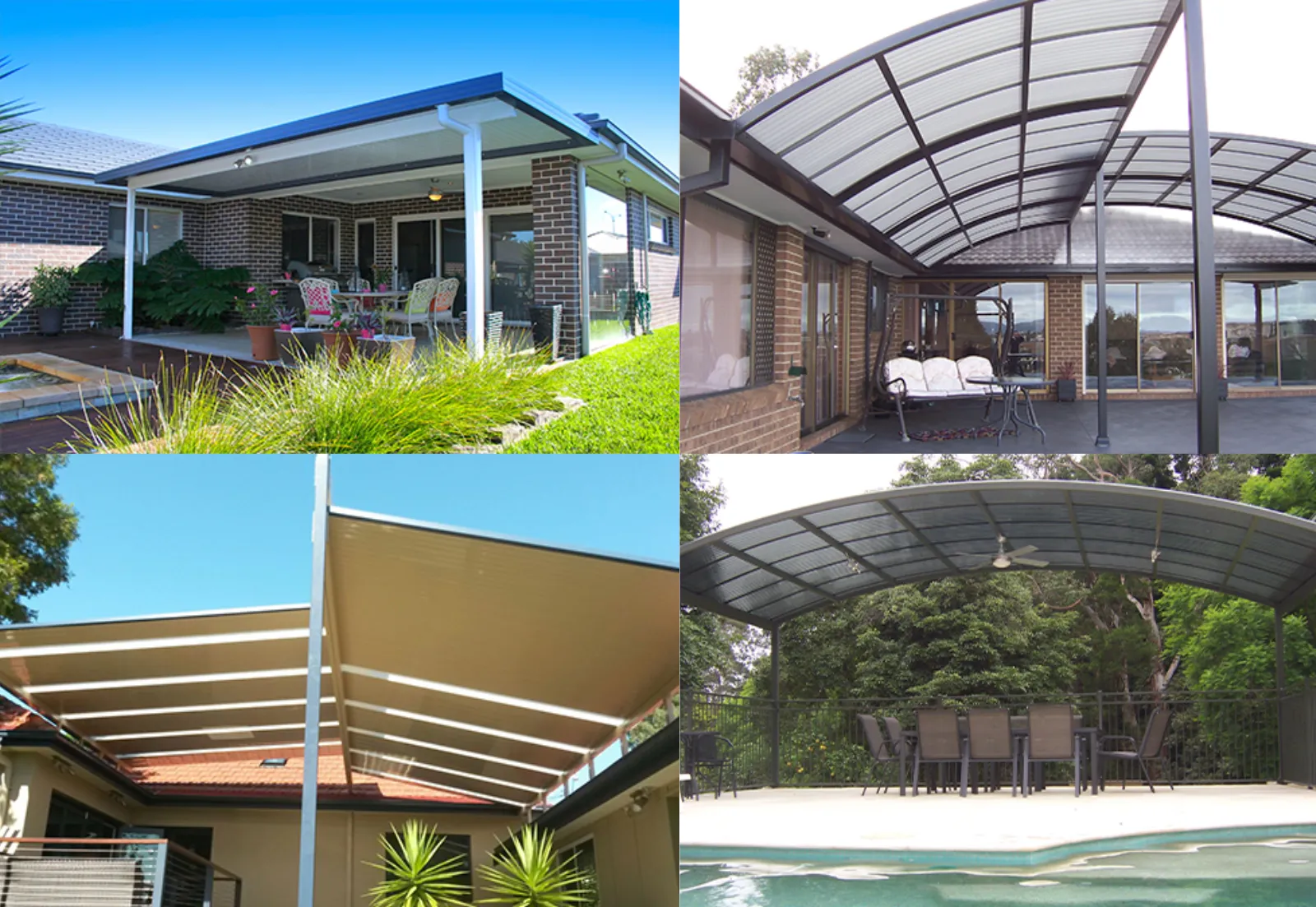
Mostly, backyards in Australia are completely abandoned by mid-afternoon during the Australian summer. The sun is really hard, and outdoor furniture heats up. The patio roof structure that you installed is no longer effective and is doing just half of what it should. This is where solar-integrated patio roofing starts to make real sense. They are not just for shade purposes, but in fact, they provide actual returns to you.
WHY INSULATED PATIO ROOF MAKES SO MUCH SENSE IN AUSTRALIA?
Every Aussie knows that electricity bills are so full of stress. People start thinking about solar energy only after experiencing nasty quarterly bills. The smarter move here is to build that solar power into something that you are already planning – your patio covers.
A SOLAR-READY PATIO ROOF PULLS DOUBLE DUTY:
- Creates usable outdoor space year-round
- Generates power during peak sunlight hours
- Reduces heat load on adjoining indoor areas
The patio structures face serious afternoon sun in areas like western Sydney and the outer Brisbane suburbs. The option of a standard roof is always available, but this roof doesn't block the heat from the sun. A solar-integrated system goes one step further. It turns that exposure into an asset. For context, the Clean Energy Council reports consistent growth in small-scale solar adoption across Australian homes. This clearly means that patio roofing structures are simply catching up to that shift.
WHAT IS THE SHIFT?
This shift is not just about bolting the panels on top. They must be done properly, and every component, like the structure, pitch and materials, must work together. When this happens, you will notice some key differences.
- ROOF ORIENTATION MATTERS MORE – north or west-facing designs perform best
- MATERIAL SELECTION BECOMES CRITICAL – insulated panels pair well with solar mounting
- WIRING GETS INTEGRATED EARLY – avoids messy retrofits later
A basic mistake that homeowners commit here is that they install a basic patio roof and then try adding solar a year later. This concept is equally effective, but it becomes expensive, and the structure doesn't look very clean.
MATERIAL CHOICES THAT WORK
Not every patio roofing option suits the solar roof system. Some combinations just create headaches, and to prevent them, you have to understand the best-performing setups.
BEST-PERFORMING SETUPS:
- INSULATED PANEL ROOFING – stable, strong, cleaner finish
- COLORBOND STEEL ROOFING – widely used, easy-to-mount systems
- CUSTOM-DESIGNED STRUCTURAL FRAMES – better load handling
LESS IDEAL OPTIONS:
- Polycarbonate sheets (too flexible for long-term mounting)
- Lightweight DIY kits not rated for solar loads
There are so many less expensive patio covers available online and advertised as highly effective. But they are not the ideal patios solution in terms of future upgrades.
REAL COST VERSUS REAL RETURNS
Upfront cost is often scary for most homeowners. This is a bitter truth, but looking at cost alone misses the point completely. Let us see how it usually plays out.
- A STANDARD PATIO ROOF: lower initial spend, no return
- SOLAR PATIO ROOFING: higher upfront, ongoing energy savings
Most homeowners offset a noticeable chunk of the daytime electricity use. They can pair it with feed-in tariffs. The Australian Government's Department Of Climate Change, Energy, The Environment And Water provides a current database on solar rebates and incentives that homeowners must check before committing.
MAKE IT OR BREAK IT WITH DESIGN DECISIONS
This is where experience counts, and homeowners must understand that small choices can have long-term impact.
THINGS WORTH GETTING RIGHT:
- Roof pitch aligned for solar efficiency
- Adequate airflow to prevent heat build-up
- Positioning to avoid shading from nearby structures
There are installs where a neighbouring gum tree wipes out 30% of the output. No one thought about it during planning.
WHERE IT FITS IN YOUR OVERALL OUTDOOR PLAN?
Solar patio roofing isn't a standalone decision, and it should connect with the rest of your outdoor property. During this step, you should avoid common mistakes; a quick list is presented below.
- Treating solar as an afterthought
- Choosing the cheapest patio covers available
- Ignoring council approval requirements
- Underestimating structural load needs
- Skipping professional design input
None of these seem major early on, but they add up fast in a very short span of time.
FAQs
CAN YOU ADD SOLAR PANELS TO AN EXISTING PATIO ROOF?
- Yes, but it depends on structural strength and roof type.
- Retrofitting often costs more than planning ahead.
DO SOLAR PATIO ROOFS NEED COUNCIL APPROVAL IN AUSTRALIA?
- In many cases, yes.
- Requirements vary by state and local council.
HOW MUCH POWER CAN A PATIO ROOF GENERATE?
- It depends on size, orientation, and panel efficiency.
- Even smaller setups can offset daytime usage.
ARE INSULATED PATIO ROOFS BETTER FOR SOLAR?
- Generally, yes.
- They provide better support, durability, and thermal performance.
WILL IT INCREASE PROPERTY VALUE?
- It often does, especially in energy-conscious markets.
- Buyers notice ongoing savings.


























Sign in to leave a comment.