
Introduction
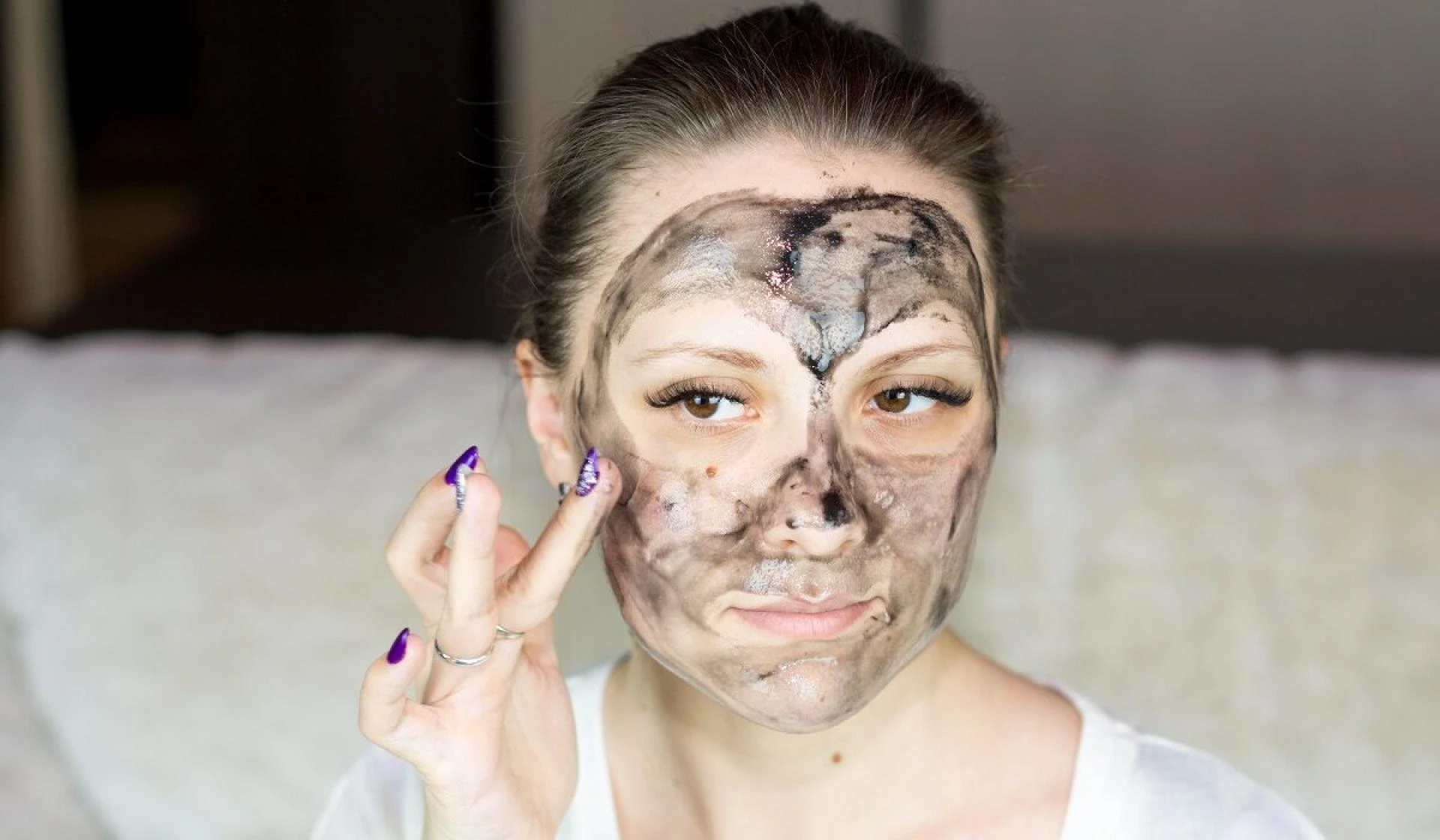
Acne, Pimples,Popping and Blackheads are common skin concerns that can affect people of all ages. While they may be frustrating and sometimes even painful, many individuals turn to various methods, including popping and extracting these blemishes, to achieve clearer skin. In this article, we will delve into the science behind acne, pimple popping, and blackhead removal while also discussing the importance of doing it safely and responsibly.
Understanding Acne
Acne is a prevalent skin condition characterized by the formation of pimples, blackheads, and whiteheads. It occurs when hair follicles become clogged with oil and dead skin cells. The primary factors contributing to acne development include:
Excess Sebum Production: Sebaceous glands in the skin produce sebum, an oily substance that helps keep the skin lubricated. Excessive sebum production can contribute to clogged pores.
Dead Skin Cells: As skin cells shed naturally, they can mix with excess sebum and become trapped in hair follicles, leading to blockages.
Bacterial Overgrowth: Propionibacterium acnes (P. acnes) is a bacterium that normally resides on the skin's surface. When trapped within clogged pores, it can multiply, causing inflammation.
Hormonal Changes: Fluctuations in hormone levels, such as those that occur during puberty, menstruation, or pregnancy, can lead to increased sebum production and acne flare-ups.
Understanding Pimple Popping
Pimple popping, or acne extraction, is a practice where individuals attempt to manually remove the contents of a pimple or a whitehead using their fingers or tools. While this may seem like a quick solution to the problem, it is essential to approach it with caution.
Pros of Pimple Popping:
Immediate Relief: Popping a pimple can provide immediate relief from pain and pressure associated with inflamed pimples.
Faster Healing: When done correctly, popping can speed up the healing process by removing the contents of the pimple and allowing the skin to heal more rapidly.
Cons of Pimple Popping:
Risk of Infection: If not done hygienically, pimple popping can introduce bacteria into the skin, leading to infection.
Scarring: Improper extraction can cause scarring, which may be permanent.
Spread of Acne: Squeezing a pimple can force the contents deeper into the skin or spread bacteria to adjacent pores, worsening the acne problem.
Inflammation: Aggressive popping can increase inflammation and make the pimple more painful.
Safe Pimple Popping Guidelines:
Clean Hands and Tools: Always start with clean hands and sanitized extraction tools if you decide to pop a pimple.
Softening the Skin: Apply a warm compress to the pimple to soften the skin and make it easier to extract.
Gentle Pressure: Apply gentle pressure to the sides of the pimple, avoiding squeezing it too forcefully.
Stop If It's Resistant: If the pimple doesn't pop easily, do not force it. This can lead to damage and scarring.
Cleanse and Disinfect: After extraction, cleanse the area and apply an antiseptic to prevent infection.
Understanding Blackheads
Blackheads, also known as open comedones, are small, dark spots that appear on the skin's surface. They occur when hair follicles become clogged with sebum and dead skin cells. The characteristic dark color of blackheads is not due to dirt but rather a reaction between the trapped sebum and oxygen.
Blackhead Removal Techniques
Extraction Strips: Over-the-counter adhesive strips can be applied to the nose, forehead, or chin to physically remove blackheads.
Professional Extraction: Dermatologists or licensed estheticians can perform blackhead extractions using specialized tools in a sterile environment.
Topical Treatments: Salicylic acid, benzoyl peroxide, and retinoids are commonly used to treat and prevent blackheads.
Safety Considerations for Blackhead Removal:
Avoid Over-Exfoliation: Excessive exfoliation can irritate the skin and exacerbate blackheads. Use gentle exfoliants and limit their use to a few times a week.
Non-Comedogenic Products: Choose skincare and makeup products labeled as non-comedogenic to reduce the risk of clogging pores.
Consult a Professional: If you're struggling with persistent blackheads, consider seeking professional help from a dermatologist.
Conclusion
Acne, pimples, and blackheads are common skin issues that can be managed with proper care and attention. While pimple popping and blackhead removal may provide temporary relief, it's crucial to prioritize safety and hygiene to prevent complications such as infection and scarring. When in doubt, consult a dermatologist or skincare professional for expert guidance on managing these skin concerns. Remember that healthy skin care practices, including a consistent and gentle skincare routine, can go a long way in maintaining clear and beautiful skin without resorting to risky DIY methods.
Read more articles































Sign in to leave a comment.