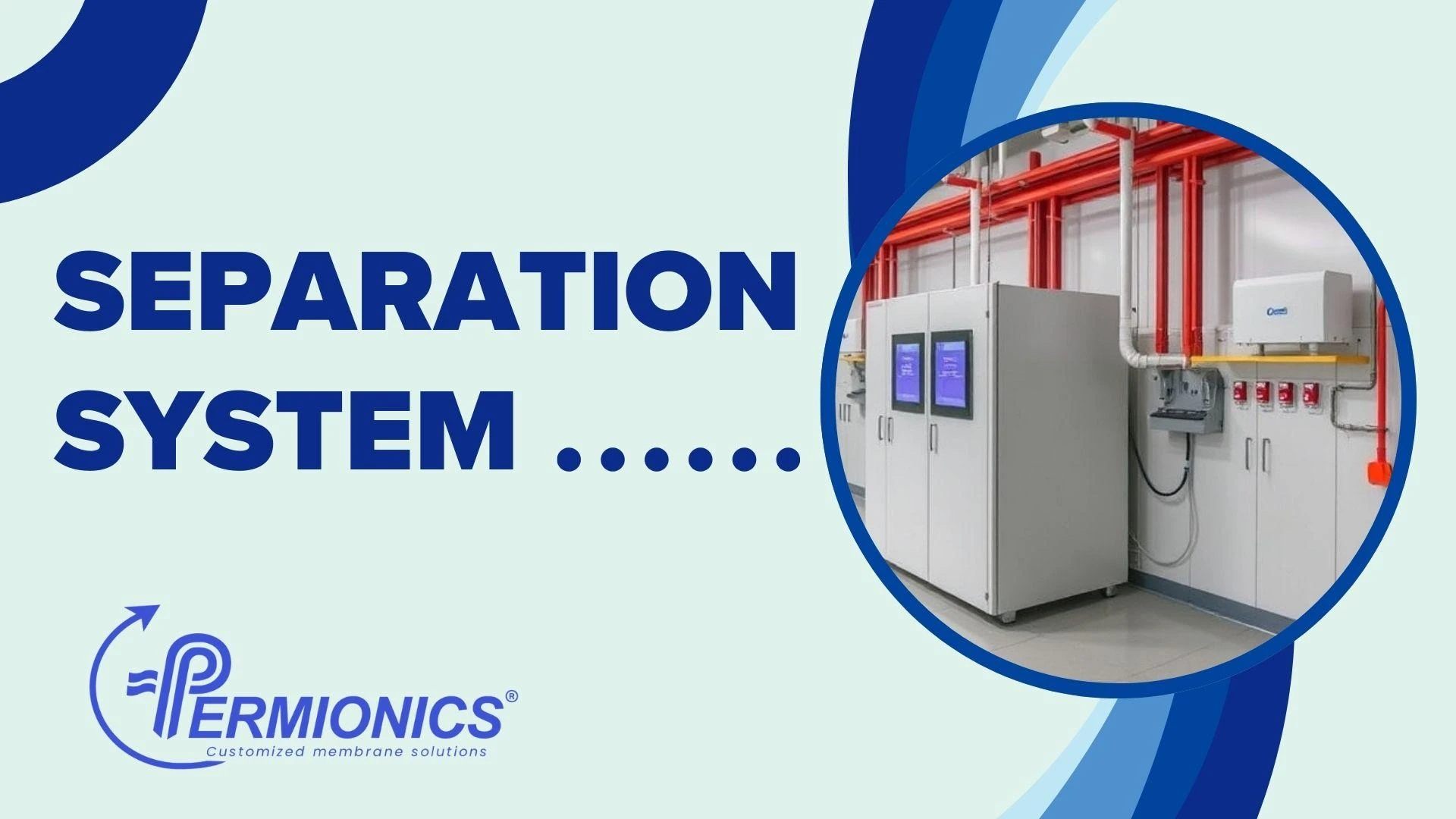

In today’s fast-paced, innovation-driven world, the need for efficient and sustainable separation methods has never been greater. Whether it’s cleaning up polluted water, improving air quality, or refining raw materials in industrial processes, separation systems are essential to making our lives better. Among the many technologies available, adsorption-based systems have risen to prominence for their versatility, eco-friendliness, and efficiency.
But what exactly is adsorption, and why is it so important? Let’s break it down.
- What Is Adsorption and Why Does It Matter?
At its core, adsorption is a process where molecules from a gas or liquid stick to the surface of a solid material, called an adsorbent. Picture tiny magnets pulling molecules onto a surface—that’s essentially what happens. This "magnetism" can be driven by weak physical forces like van der Waals interactions or stronger chemical bonding, making adsorption highly effective for separating complex mixtures.
This ability to selectively attract and hold specific molecules makes adsorption a game-changer, especially in industries where high purity or precision is crucial. Think about removing harmful pollutants from water or separating oxygen and nitrogen for medical purposes.
The effectiveness of any adsorption system depends on three main factors:
- The type of adsorbent material used (e.g., activated carbon or advanced materials like metal-organic frameworks, aka MOFs).
- The operating conditions (like temperature and pressure).
- The characteristics of the molecules being separated (size, shape, or chemical properties).
- How Adsorption-Based Systems Work
Adsorption separation systems typically operate in two key stages:
1.Adsorption Phase:
This is when the target molecules stick to the adsorbent’s surface. For example, in air purification, harmful volatile organic compounds (VOCs) from polluted air are captured, leaving clean air behind.
2,Desorption Phase:
Over time, the adsorbent becomes saturated with the captured molecules. To reuse it, those molecules need to be removed in a process called desorption. This can be done by changing the temperature, pressure, or even using chemicals. Efficient desorption is crucial for making the system cost-effective and sustainable.
For large-scale applications, adsorption systems are often set up in dynamic configurations like fixed-bed columns or fluidized beds. These setups allow for continuous operation, making them ideal for industries needing high throughput.
- Everyday Applications of Adsorption
Adsorption technology might sound complex, but it’s part of many things we encounter in our daily lives. Here are some examples:
- Gas Separation:
- In the energy sector, adsorption systems help purify natural gas by removing impurities like hydrogen sulfide and carbon dioxide. Technologies like pressure swing adsorption (PSA) are also widely used to produce oxygen or nitrogen for hospitals and industries.
- Water Treatment:
- Whether it’s removing heavy metals, pharmaceuticals, or organic dyes, adsorption is a go-to solution for making water safe to drink or reuse. Activated carbon filters, which you might even have in your home, are a prime example of this technology in action.
- Air Purification:
- From industrial exhaust systems to home air purifiers, adsorption helps trap airborne pollutants like VOCs, ensuring we breathe cleaner air.
- Pharmaceuticals:
- In drug manufacturing, adsorption is used to purify active pharmaceutical ingredients (APIs) or separate mirror-image molecules (enantiomers) that can affect how a drug works in the body.
-What’s Next for Adsorption Technology?
As global challenges like pollution, resource scarcity, and energy efficiency continue to grow, adsorption technology is evolving to meet the demand. Researchers are developing advanced materials like MOFs and carbon nanotubes to make separation systems even more selective and energy-efficient.
Moreover, hybrid systems that combine adsorption with other techniques—like membrane filtration or distillation—are being explored to tackle more complex separation problems.
-Why It Matters
Adsorption separation systems aren’t just another industrial process—they’re an essential part of building a sustainable future. Whether it’s ensuring access to clean water, improving air quality, or supporting cutting-edge industries, these systems are quietly making a huge impact behind the scenes.
As technology continues to advance, adsorption-based systems will remain a cornerstone of modern science and industry, helping us tackle today’s challenges and prepare for tomorrow’s opportunities.
#SeparationTechnology #SustainableSeparation #CleanTech #AdvancedMaterials #SeparationSystems

























Sign in to leave a comment.