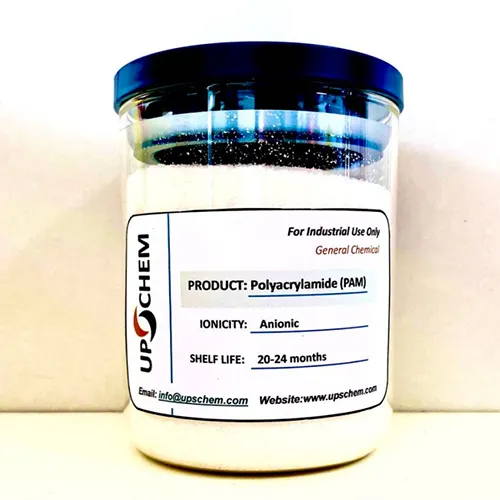
In recent decades, Anionic Polyacrylamide has emerged as an indispensable polymer in a wide variety of industrial and environmental applications. Thanks to its unique chemical structure and versatile functional properties, this synthetic polymer plays a crucial role in processes ranging from wastewater treatment and sludge dewatering to paper manufacturing and enhanced oil recovery.
At Shandong UPS Chemical Co.,Ltd, we pride ourselves on being at the forefront of producing high-quality anionic polyacrylamide products that meet rigorous industry standards. However, understanding the science behind this polymer is key to unlocking its full potential for your application. In this article, we will explore the molecular characteristics of anionic polyacrylamide, explain why its properties make it so effective, and dive into the diverse benefits and practical uses across sectors.
Understanding the Chemistry of Anionic Polyacrylamide
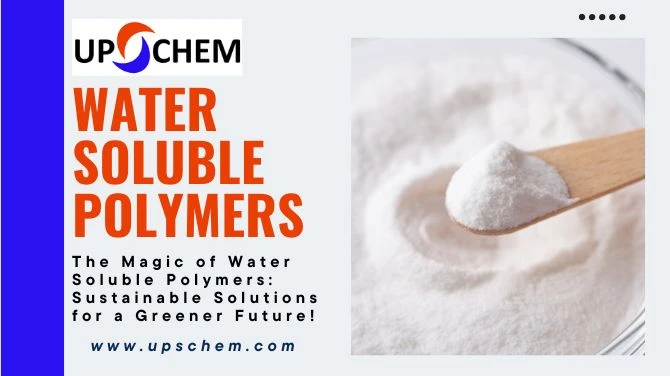
To truly grasp the value of anionic polyacrylamide, it’s important to understand its chemical composition. Polyacrylamide (PAM) is a water-soluble polymer formed by the polymerization of acrylamide monomers. What distinguishes the anionic variant is the presence of negatively charged groups along the polymer backbone — typically carboxylate ions.
This anionic charge allows the polymers to interact electrostatically with positively charged particles in suspensions or wastewater. Through flocculation and coagulation mechanisms, these polymers help aggregate fine particles into larger flocs that settle more easily or can be filtered efficiently.
Moreover, the degree of anionicity — i.e., the proportion of negative charge along the polymer chain — can be precisely controlled during manufacturing. This tunability is crucial because it allows customization of polymer performance for specific processes or water chemistries.
Why Anionic Polyacrylamide Works: The Mechanism Explained
The exceptional effectiveness of anionic polyacrylamide in improving solid-liquid separation lies in its ability to bridge particles and neutralize charges. These mechanisms include:
- Charge Neutralization: The negative charges neutralize positively charged colloidal particles in water or sludge, reducing electrical repulsion between them.
- Bridging Flocculation: Long polymer chains adsorb onto multiple particles simultaneously, creating bridges that hold particles together into larger flocs.
This results in improved sedimentation rates, clearer supernatant water, and enhanced dewatering, critical for both environmental remediation and industrial efficiency.
Key Benefits of Using Anionic Polyacrylamide
Transitioning from the science, the practical advantages of deploying anionic polyacrylamide for your processes are substantial.
These benefits include:
- Improved Water Clarification: Efficient removal of suspended solids leads to cleaner water discharge, aiding regulatory compliance.
- Reduced Chemical Usage: Effective flocculation reduces the need for other additives or coagulants, lowering chemical consumption and cost.
- Enhanced Sludge Handling: Facilitates easier sludge dewatering, reducing disposal volumes and associated costs.
- Environmental Compatibility: Many modern formulations are biodegradable and have low toxicity, minimizing environmental impact.
- Versatility: Applicable to a broad range of industries — mining, textiles, paper, municipal wastewater, agriculture, and more.
- Operational Stability: Performs reliably under diverse conditions including fluctuating pH, salinity, and temperature.
- Cost Effectiveness: Increases operational efficiency and reduces maintenance and energy costs.
Diverse Industrial Applications of Anionic Polyacrylamide
Across sectors, the functionality of anionic polyacrylamide translates into real-world improvements. Some dominant application areas include:
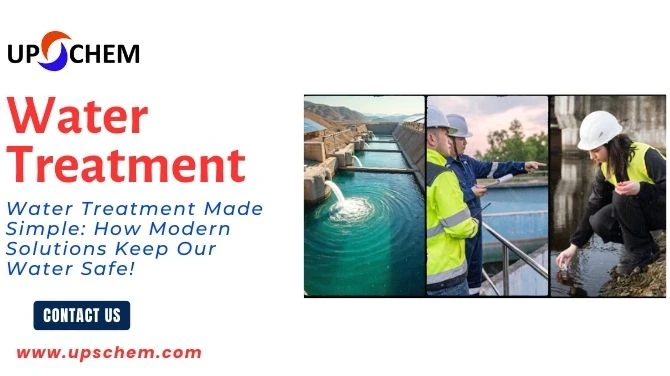
- Wastewater Treatment: Assists municipal and industrial facilities in removing suspended solids and clarifying effluent.
Sludge Dewatering: Environmental plants and manufacturing units use it to concentrate sludge reducing transportation and landfill burden. - Oil and Gas Recovery: Enhances water quality in oil extraction, promoting better separation of hydrocarbons.
Paper Manufacturing: Acts as a retention aid, dewatering agent, and dry-strength additive improving paper quality and production yield. - Agriculture: Utilized for soil conditioning and erosion control, helping retain moisture and nutrients.
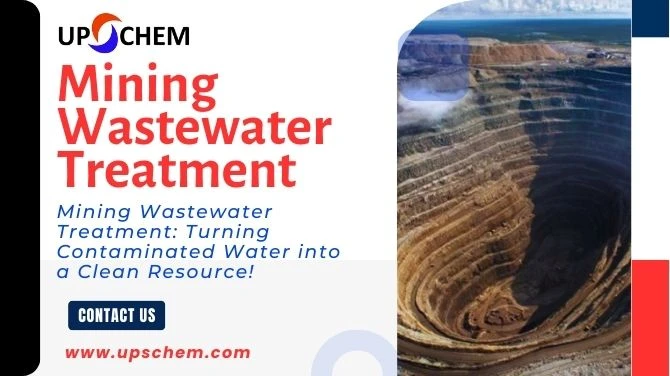
Mining: Facilitates tailings management and water recycling by enhancing sedimentation of fine particles.
Why Trust Shandong UPS Chemical Co.,Ltd for Your Anionic Polyacrylamide Needs?
At Shandong UPS Chemical Co., Ltd, our commitment to quality and innovation ensures that every batch of anionic polyacrylamide delivers optimal performance. Backed by rigorous quality control, environmentally conscious manufacturing practices, and dedicated customer support, we provide tailored polymer solutions that align with our clients’ unique operational challenges.
Conclusion
Understanding the science and application of anionic polyacrylamide unlocks opportunities for optimizing water treatment, enhancing industrial processes, and supporting environmental stewardship. By choosing a trusted partner like Shandong UPS Chemical Co.,Ltd, you gain access to advanced polymer technology tailored to meet your specific needs with high quality and dependable service.
Stay tuned as we dive deeper into each aspect of anionic polyacrylamide’s chemistry, benefits, and uses in the continued sections of this comprehensive guide.
Frequently Asked Questions (FAQ)
Q1: What is the typical molecular weight range for anionic polyacrylamide?
Anionic polyacrylamides generally range from low molecular weights (~2 million Daltons) to ultra-high molecular weights (~20 million Daltons), customizable to target applications.
Q2: How do I select the right anionic degree for my treatment process?
The ideal charge density depends on water chemistry and particle charge; our technical team can assist in selecting optimal formulations.
Q3: Is anionic polyacrylamide safe for the environment?
Modern formulations are designed for biodegradability and low toxicity, adhering to environmental standards.
Q4: Can anionic polyacrylamide be used in conjunction with other flocculants?
Yes, it is often combined with cationic or nonionic polymers to enhance performance in complex systems.
Q5: How should anionic polyacrylamide be stored and handled?
It should be stored in a cool, dry place away from direct sunlight and moisture to maintain stability.
Q6: What industries benefit most from anionic polyacrylamide?
Key industries include wastewater treatment, mining, paper manufacturing, oil and gas, textiles, and agriculture.
Q7: How quickly will I see results after adding anionic polyacrylamide?
Improved flocculation and clarity typically occur within minutes after correct dosing.





















Sign in to leave a comment.