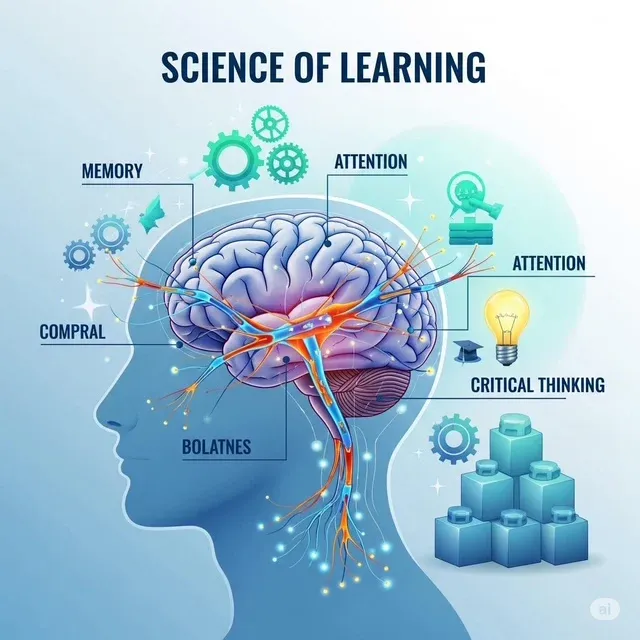

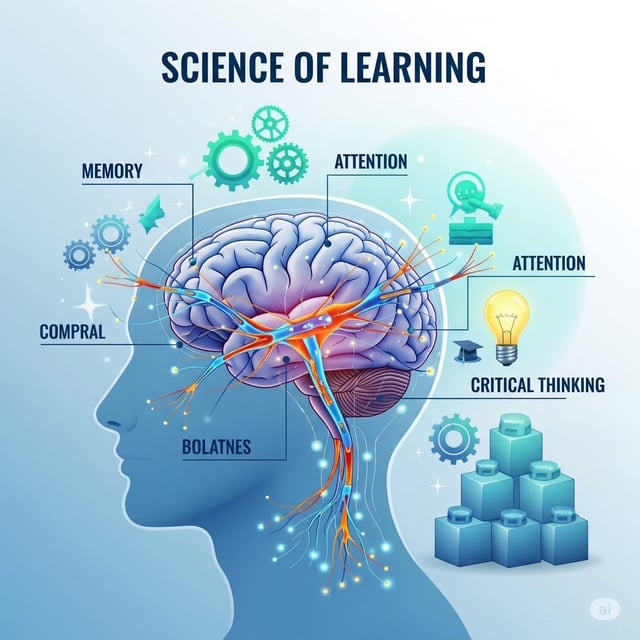
Learning is most effective when students can concentrate on the task at hand. However, maintaining focus has become increasingly challenging in today's fast-paced world, where distractions from digital devices, social media, and multitasking are common. Scientific research shows that focus is not simply a natural talent but a skill that can be strengthened through healthy habits, structured learning, and consistent practice.
Understanding how the brain learns helps students, parents, and educators adopt strategies that improve concentration, memory, and academic performance. Effective learning occurs when students actively engage with information, manage distractions, and maintain physical and mental well-being. Schools that promote balanced educational practices, including the Best School in Faridabad, often encourage learning environments that support both cognitive development and student well-being.
How the Brain Processes Information
The human brain constantly receives information from the surrounding environment, but it can actively focus on only a limited amount at one time. This ability, known as selective attention, allows students to concentrate on relevant information while ignoring distractions.
When students pay close attention during learning, the brain forms stronger neural connections. These connections make it easier to recall information later, improving long-term memory and understanding. Repeated practice further strengthens these pathways, making learning more efficient over time.
Why Focus Is Essential for Learning
Focus is the foundation of effective learning because it allows students to process information deeply instead of simply reading or listening without understanding.
When students remain focused, they are more likely to:
- Understand concepts clearly.
- Retain information for longer periods.
- Solve problems more effectively.
- Complete assignments accurately.
- Build confidence in their abilities.
Without concentration, even long study sessions may produce limited results.
The Connection Between Attention and Memory
Scientific studies have shown that attention and memory work closely together. Information that receives full attention is far more likely to be stored in long-term memory.
Students improve memory by:
- Paying attention during lessons.
- Reviewing concepts regularly.
- Connecting new knowledge with previous learning.
- Practicing active recall instead of passive reading.
This process helps the brain organize information more effectively, making it easier to retrieve during examinations or practical situations.
Sleep Supports Better Brain Function
Sleep plays a critical role in learning. During sleep, the brain processes and stores information gathered throughout the day.
Students who get adequate sleep often experience:
- Better concentration.
- Improved memory retention.
- Faster problem-solving.
- Enhanced creativity.
- Greater emotional balance.
Lack of sleep reduces attention span and makes it more difficult to absorb new information. Establishing a consistent sleep schedule is therefore an essential part of effective learning.
Physical Activity Improves Concentration
Exercise benefits both physical health and brain function. Regular movement increases blood flow to the brain, delivering oxygen and nutrients that support cognitive performance.
Activities such as walking, cycling, yoga, and sports can:
- Improve attention.
- Reduce stress.
- Increase mental alertness.
- Strengthen memory.
- Boost overall mood.
Educational environments, including a Best CBSE School in Faridabad, often encourage participation in sports and physical activities because they contribute to both academic and personal development.
Nutrition Fuels Effective Learning
The brain requires a steady supply of nutrients to function efficiently.
Students benefit from balanced meals that include:
- Fruits and vegetables.
- Whole grains.
- Protein-rich foods.
- Healthy fats.
- Adequate water intake.
Skipping meals or consuming excessive sugary foods may reduce concentration and energy levels during study sessions.
Healthy nutrition supports attention, memory, and overall cognitive performance.
Active Learning Strengthens Understanding
Research consistently shows that students learn more effectively when they actively participate in the learning process.
Active learning techniques include:
- Taking notes.
- Solving practice questions.
- Participating in discussions.
- Creating mind maps.
- Teaching concepts to others.
- Applying knowledge to real-life situations.
These methods require students to process information deeply, leading to stronger understanding and better long-term retention.
Managing Distractions Improves Focus
Modern distractions can interrupt concentration and reduce learning efficiency.
Students can improve focus by:
- Keeping mobile phones away during study time.
- Turning off unnecessary notifications.
- Creating a quiet study environment.
- Studying one subject at a time.
- Taking planned breaks instead of frequent interruptions.
Reducing distractions allows the brain to remain fully engaged with the learning task.
The Importance of Curiosity
Curiosity motivates students to learn beyond textbook information.
When students ask questions, investigate ideas, and explore topics independently, they become more engaged in the learning process.
Curiosity also encourages creativity, critical thinking, and problem-solving, helping students understand concepts more deeply rather than memorizing information for examinations.
Learning environments associated with a Best English Medium School in Faridabad often support inquiry-based learning that inspires students to explore, question, and discover through meaningful classroom experiences.
Building Daily Habits for Better Focus
Improving concentration requires consistency rather than perfection.
Students can strengthen focus by:
- Following a regular study schedule.
- Setting achievable learning goals.
- Reviewing lessons daily.
- Reading regularly.
- Practicing mindfulness or deep breathing.
- Maintaining a healthy balance between study and recreation.
Small daily habits gradually improve attention span and learning efficiency.
Conclusion
The science of learning shows that focus is not simply an inborn ability but a skill developed through healthy routines, active learning, proper nutrition, adequate sleep, and consistent practice. When students understand how their brains learn best, they can adopt strategies that improve concentration, strengthen memory, and enhance academic performance.
Parents, teachers, and schools all play an important role in creating environments that support effective learning. By encouraging healthy habits, minimizing distractions, and promoting curiosity, they help students build the focus and resilience needed for lifelong success. These evidence-based approaches not only improve classroom performance but also prepare students to become confident, independent, and adaptable learners in an ever-changing world.





























Sign in to leave a comment.