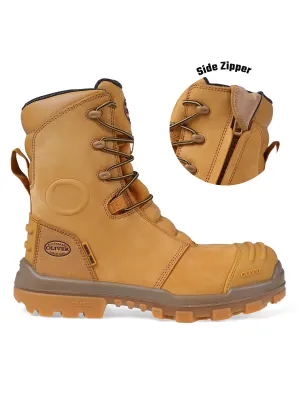

Farm work in Australia is tough, unpredictable, and physically demanding. From early mornings in muddy paddocks to long days handling livestock or machinery, your boots are one of the most important tools you rely on. Yet many farmers and rural workers underestimate how much science and engineering go into making a truly comfortable pair of farm work boots.
A “perfect fit” isn’t just about size—it’s about biomechanics, materials, support systems, and how your body interacts with the ground over long hours.
Why Comfort Matters More Than You Think
Farm workers often spend 10–12 hours on their feet, walking on uneven terrain, lifting heavy loads, and dealing with wet or harsh conditions. Poorly fitted boots can lead to:
- Foot fatigue and soreness
- Knee, hip, and lower back pain
- Blisters and pressure injuries
- Long-term issues like plantar fasciitis
Comfort isn’t just a luxury—it directly impacts your productivity, safety, and long-term health.
The Biomechanics of Foot Support
Your feet are complex structures made up of 26 bones, 33 joints, and over 100 muscles, tendons, and ligaments. When you walk or stand, your boots must support this system efficiently.
Key Biomechanical Factors:
- Weight distribution: Evenly spreads your body weight across the foot
- Shock absorption: Reduces impact when walking on hard or uneven surfaces
- Stability: Prevents excessive foot movement that can cause strain
A well-designed farm boot works with your body—not against it.
Arch Support: The Foundation of Comfort
Your arch acts like a natural shock absorber. Without proper support, it collapses under pressure, leading to fatigue and pain.
Types of arches:
- Low (flat feet)
- Neutral
- High
The best farm boots, either:
- Include built-in arch support, or
- Allow for custom orthotics
Proper arch support helps maintain alignment from your feet to your knees and spine.
Cushioning and Energy Return
Modern farm boots use advanced cushioning systems designed to absorb shock and return energy with each step.
Common cushioning materials:
- EVA (Ethylene Vinyl Acetate)
- PU (Polyurethane)
- Gel or foam inserts
The science: When your heel strikes the ground, cushioning compresses to absorb impact, then rebounds to reduce energy loss. This minimises fatigue over long hours.
The Importance of a Proper Fit
Even the most advanced boot won’t work if it doesn’t fit correctly.
A perfect fit should:
- Provide enough toe room (about a thumb’s width)
- Hold your heel firmly in place
- Avoid pressure points or tight spots
Why fit matters scientifically:
Poor fit alters your walking pattern (gait), which can lead to joint strain and muscle fatigue over time.
Outsole Technology and Ground Grip
Farm environments are unpredictable—mud, wet grass, gravel, and uneven terrain are part of daily life.
What makes a good outsole:
- Deep tread patterns for traction
- Slip-resistant rubber compounds
- Self-cleaning lugs to prevent mud build-up
The science of traction: Grip is created through friction and surface contact. A well-designed outsole maximises both, reducing the risk of slips and falls.
Material Science: Leather vs Modern Synthetics
The materials used in farm boots directly affect comfort, durability, and performance.
Leather:
- Naturally breathable
- Moulds to your foot over time
- Highly durable
Synthetic materials:
- Lightweight
- Water-resistant or waterproof
- Faster drying
Modern boots often combine both to balance comfort and protection.
Moisture Management and Breathability
Australian farms can expose you to both wet and hot conditions. Moisture control is essential for comfort and foot health.
Key features:
- Waterproof membranes (e.g., sealed linings)
- Moisture-wicking inner materials
- Breathable panels
Why it matters: Excess moisture softens the skin, increasing the risk of blisters and infections. Good ventilation keeps your feet dry and comfortable.
Weight and Fatigue Reduction
Heavy boots can significantly increase fatigue over a long day.
The science behind weight:
Every extra 100 grams on your feet can feel like much more over time due to repeated movement.
Lightweight boots:
- Reduce energy expenditure
- Improve mobility
- Help you stay productive longer
Ankle Support and Stability
Farm work often involves uneven ground, which increases the risk of ankle injuries.
Support features:
- High-cut boot designs
- Padded collars
- Reinforced heel counters
These features stabilise your ankle and reduce the risk of sprains.
Temperature Regulation in Australian Conditions
From cold mornings to hot afternoons, farm boots must adapt to changing temperatures.
Look for:
- Insulated linings for colder regions
- Breathable construction for warm climates
- Thermal-regulating materials
Maintaining a stable foot temperature improves overall comfort and prevents fatigue.
Common Mistakes When Choosing Farm Work Boots
Avoid these common pitfalls:
- Buying based on price alone
- Ignoring proper fit and sizing
- Choosing the wrong boot for your environment
- Not considering arch support
- Wearing worn-out boots for too long
These mistakes can lead to discomfort and even long-term injury.
How to Test for the Perfect Fit
Before buying farm boots, follow these steps:
- Try them on with your usual work socks
- Walk on different surfaces if possible
- Check for heel slippage
- Ensure no pinching or pressure points
- Test flexibility and support
Taking the time to test boots properly can save you from months of discomfort.
How Often Should You Replace Farm Boots?
Even high-quality boots wear out over time.
Replace your boots when you notice:
- Worn-out soles or reduced grip
- Loss of cushioning
- Cracks or damage in materials
- Decreased support
On average, farm boots should be replaced every 6–12 months, depending on usage.
Future Innovations in Farm Work Boots (2026 and beyond)
The future of farm footwear is driven by technology and sustainability.
Emerging trends:
- Smart insoles that track pressure and fatigue
- Eco-friendly materials and manufacturing
- Advanced shock-absorbing technologies
- Custom-fit boots using 3D scanning
These innovations are set to make farm work safer and more comfortable.
Final Thoughts
The perfect farm work boot is a combination of science, engineering, and proper fit. It supports your body, adapts to your environment, and reduces fatigue over long, demanding days.
When choosing your next pair, focus on:
- Fit and comfort
- Arch support and cushioning
- Durability and grip
- Breathability and moisture control
Investing in the right boots isn’t just about comfort—it’s about protecting your health, improving your efficiency, and making every day on the farm a little easier.
Your boots carry you through some of the toughest conditions—make sure they’re built to do the job right.




























Sign in to leave a comment.