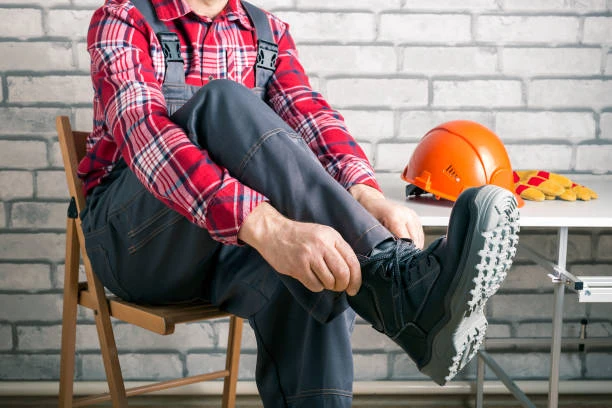
Safety shoes are one of the most important pieces of personal protective equipment (PPE) in many industries. Whether you work in construction, warehousing, manufacturing, logistics, mining, or hospitality, your safety footwear protects you from serious injuries caused by heavy objects, sharp materials, slips, and electrical hazards.
But here’s the question many workers overlook: How do you know when it’s time to replace your safety shoes?
Wearing damaged or worn-out safety footwear can compromise protection, increase fatigue, and even lead to long-term foot problems.
Why Replacing Safety Shoes Matters
Safety shoes are designed to meet specific safety standards such as:
- AS/NZS 2210.3 (Australia & New Zealand)
- ASTM F2413 (United States)
These standards ensure protection against impact, compression, punctures, slips, and electrical hazards. However, once the shoe begins to deteriorate, it may no longer meet these protective benchmarks — even if it “looks okay” from the outside.
Worn-out safety shoes can lead to:
- Reduced toe protection
- Increased risk of slips and falls
- Foot pain and fatigue
- Back, knee, and posture problems
- Higher injury risk on the job
Replacing your safety shoes at the right time isn’t just about comfort — it’s about safety compliance and injury prevention.
Worn-Out Soles and Tread
One of the first and most obvious signs that your safety shoes need replacing is worn-out tread.
What to Look For:
- Smooth or flattened outsole
- Reduced grip on wet or oily surfaces
- Uneven wear patterns
- Visible thinning of the sole
Safety shoes often feature slip-resistant soles designed for industrial environments. Once the tread is worn down, traction decreases significantly, increasing your risk of slips and falls.
If you find yourself slipping more frequently on surfaces that used to feel stable, it’s likely time for a new pair.
Damage to the Toe Cap
Whether you wear steel toe or composite toe safety shoes, the protective cap is critical.
Warning Signs:
- Dents in steel toe caps
- Cracks in composite toes
- Pressure or discomfort at the front of the foot
- Visible deformation after an impact
If a heavy object has fallen on your shoe, the toe cap may be compromised — even if the damage isn’t obvious externally. A damaged toe cap cannot provide full impact protection.
If your shoe has experienced a significant impact event, replace it immediately rather than taking chances.
Midsole Breakdown and Loss of Cushioning
Over time, the cushioning and shock absorption in safety shoes begin to compress and lose effectiveness.
Signs of Midsole Wear:
- Increased foot fatigue
- Heel pain or arch pain
- Reduced bounce or softness
- Feeling like you’re “walking on hard ground.”
Most safety shoes last between 6 and 12 months, depending on usage. Workers who stand or walk for 8–12 hours daily may experience faster midsole breakdown.
If your feet feel noticeably more tired at the end of your shift than they used to, your footwear may no longer be providing adequate support.
Cracked or Torn Upper Material
The upper part of your safety shoe — whether leather, synthetic, or mesh — plays a major role in durability and protection.
Replace Your Shoes If You Notice:
- Cracked leather
- Torn stitching
- Holes or splitting seams
- Loose panels
Compromised uppers can allow water, debris, and chemicals to enter. This not only reduces comfort but also exposes your feet to workplace hazards.
In environments with moisture, oil, or chemicals, damaged uppers should be addressed immediately.
Puncture Resistance Compromised
Many safety shoes include a puncture-resistant midsole to protect against nails and sharp objects.
Be Concerned If:
- You feel sharp objects through the sole
- The shoe has been punctured
- There’s visible sole separation
Once the puncture-resistant layer is damaged, it cannot be repaired. Continuing to wear the shoe puts you at serious risk of injury.
Persistent Odor or Hygiene Issues
While odor alone doesn’t always mean replacement is necessary, persistent hygiene problems may signal deeper wear.
If your shoes:
- Remain damp even after drying
- Develop mold-like smells
- Cause repeated skin irritation
It could mean the internal lining and structure are breaking down. At this point, replacing them is often more hygienic and cost-effective than trying to restore them.
Sole Separation
If you notice the sole peeling away from the upper, this is a major red flag.
Sole separation can:
- Reduce stability
- Compromise waterproofing
- Increase trip hazards
Glue fixes are temporary solutions and not recommended for safety footwear used in hazardous environments. Replace the shoe promptly.
Electrical Hazard Protection No Longer Reliable
For workers in electrical environments, EH-rated safety shoes provide insulation from electrical shock.
However, wear and tear can compromise this protection.
Replace Immediately If:
- The outsole is cracked or excessively worn
- The shoe has been exposed to chemicals or water damage
- You’re unsure of its integrity after prolonged use
Electrical hazard protection relies heavily on the condition of the sole. If it’s compromised, so is your safety.
Poor Fit Due to Structural Breakdown
Over time, safety shoes can lose their shape and structure.
You may notice:
- Heel slippage
- Increased toe pressure
- Flattened arch support
- Loose or stretched material
A poorly fitting shoe increases fatigue and can cause blisters, joint pain, and posture issues. If your shoes no longer feel supportive or secure, it’s time to upgrade.
Age of the Shoe
Even if your safety shoes don’t look severely worn, age matters.
Most manufacturers recommend replacing safety footwear every:
- 6 months for heavy-duty use
- 12 months for moderate use
Environmental exposure, sweat, daily stress, and repeated flexing degrade materials internally — often before visible signs appear.
If you’ve had your pair for over a year and wear them daily, consider proactive replacement.
How to Extend the Life of Your Safety Shoes
While replacement is inevitable, proper care can maximize longevity.
Maintenance Tips:
- Clean regularly to remove dirt and chemicals
- Allow shoes to dry fully between shifts
- Rotate between two pairs if possible
- Use proper storage away from extreme heat
- Replace insoles periodically
Preventative care not only extends lifespan but also maintains performance.
Cost vs. Risk: Why Delaying Replacement Is Dangerous
Many workers delay replacing safety shoes to save money. However, the cost of replacement is minimal compared to the cost of:
- Workplace injuries
- Lost wages
- Medical bills
- Long-term foot problems
Investing in new safety footwear when needed is an investment in your health, productivity, and compliance.
Final Thoughts
Your safety shoes work as hard as you do. Over time, constant impact, pressure, environmental exposure, and daily wear break them down — often in ways that aren’t immediately obvious.
To recap, replace your safety shoes if you notice:
- Worn-out tread
- Toe cap damage
- Reduced cushioning
- Cracked uppers
- Sole separation
- Punctures
- Electrical hazard compromise
- Persistent discomfort
When in doubt, err on the side of safety. A fresh pair of properly fitted, compliant safety shoes ensures you stay protected, comfortable, and confident on the job.













Sign in to leave a comment.