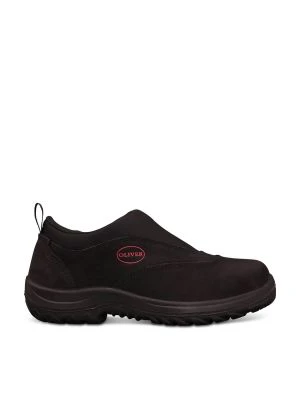
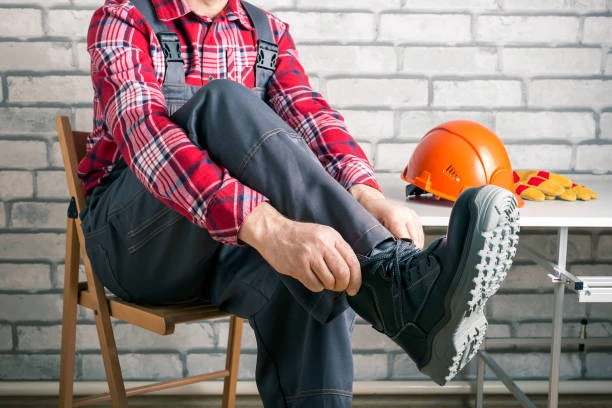
Slip-on shoes have become a staple in modern wardrobes thanks to their convenience, versatility, and comfort. Whether you’re heading to work, running errands, or looking for reliable footwear for long shifts, slip-on shoes offer a practical solution without compromising on style.
However, not all slip-ons are created equal. Choosing the right pair requires careful consideration of factors like comfort, durability, support, and purpose. In this complete guide, we’ll walk you through everything you need to look for when buying slip-on shoes—so you can make a smart, long-lasting investment.
Why Choose Slip-On Shoes?
Slip-on shoes are designed without laces or fasteners, making them incredibly easy to wear and remove. Their popularity has grown across various industries, from healthcare and hospitality to retail and office environments.
Key benefits include:
- Quick and hassle-free wear
- Lightweight and flexible design
- Versatile styles for both casual and professional settings
- Reduced pressure points compared to tight laces
But while convenience is important, selecting the right features is essential to ensure all-day comfort and safety.
1. Comfort and Fit: The Top Priority
When it comes to slip-on shoes, comfort should be your number one concern.
Since there are no laces to adjust tightness, the shoe must fit perfectly from the start. A poorly fitting slip-on can cause:
- Heel slipping
- Blisters
- Foot fatigue
What to Look For:
- A snug (but not tight) fit around the heel
- Enough room in the toe box for natural movement
- Cushioned insoles for shock absorption
- Flexible uppers that adapt to your foot shape
If possible, try shoes on later in the day when your feet are slightly swollen—this helps ensure a better fit for long wear.
2. Arch Support and Foot Health
Proper arch support is crucial, especially if you spend long hours on your feet.
Slip-on shoes with inadequate support can lead to issues such as:
- Foot pain
- Plantar fasciitis
- Knee and back discomfort
Features to Consider:
- Built-in arch support
- Orthotic-friendly insoles (removable footbeds)
- Ergonomic footbed design
For people with specific foot conditions, investing in slip-ons that support orthotics can make a significant difference.
3. Material Matters
The material of your slip-on shoes affects not only comfort but also durability and breathability.
Common Materials:
- Leather: Durable, professional-looking, and molds to your foot over time
- Mesh/Fabric: Lightweight and breathable—great for warm climates
- Synthetic: Affordable and often water-resistant
Tip:
If you work in hot environments, breathable mesh is ideal. For rugged or professional settings, leather slip-ons offer better durability and protection.
4. Sole Quality and Grip
The outsole of your slip-on shoes plays a critical role in safety and performance.
A good sole should provide:
- Slip resistance
- Shock absorption
- Stability on different surfaces
This is especially important in workplaces like kitchens, hospitals, or warehouses where floors can be slippery.
What to Look For:
- Rubber or anti-slip outsoles
- Deep tread patterns for better grip
- Oil- and water-resistant properties
If safety is a concern, look for slip-ons that meet workplace safety standards.
5. Ease of Wear and Elastic Support
One of the defining features of slip-on shoes is their ease of use—but design details matter.
Key Features:
- Elastic side panels for flexibility
- Stretchable uppers for easy entry
- Pull tabs for convenience
These elements ensure the shoes are easy to put on while still providing a secure fit.
6. Breathability and Moisture Control
Wearing shoes for extended periods can lead to sweating and discomfort.
Good slip-on shoes should offer:
- Breathable lining
- Moisture-wicking materials
- Ventilation features
This is particularly important in warm climates or physically demanding jobs.
7. Durability and Build Quality
A high-quality pair of slip-ons should last through regular wear without losing shape or support.
Check For:
- Strong stitching
- Reinforced toe and heel areas
- High-quality materials
While cheaper options may seem appealing, investing in durable shoes often saves money in the long run.
8. Style and Versatility
Slip-on shoes come in a wide range of styles, from casual sneakers to formal work shoes.
Consider Your Needs:
- Casual wear: Canvas or sporty slip-ons
- Work environments: Leather or safety slip-ons
- Outdoor use: Rugged designs with strong soles
Choosing a versatile style ensures you get more value out of your purchase.
9. Weight and Flexibility
Heavy shoes can lead to fatigue, especially during long shifts.
Slip-on shoes should be:
- Lightweight
- Flexible enough to support natural foot movement
This is particularly beneficial for people who walk or stand all day.
10. Safety Features (If required)
For certain professions, standard slip-ons may not be enough.
Safety slip-on shoes may include:
- Steel or composite toe caps
- Anti-static properties
- Puncture-resistant soles
These features are essential in industries like construction, manufacturing, and logistics.
11. Price vs Value
While budget is always a consideration, it’s important to focus on value rather than just price.
A slightly more expensive pair with:
- Better comfort
- Higher durability
- Improved safety features
…will often outperform cheaper alternatives over time.
12. Brand Reputation and Reviews
Before making a purchase, it’s worth checking:
- Customer reviews
- Brand reputation
- Warranty or return policies
Reliable brands typically invest more in quality, comfort, and safety standards.
Common Mistakes to Avoid
When buying slip-on shoes, avoid these common pitfalls:
- Choosing style over comfort
- Ignoring proper fit
- Overlooking sole quality
- Buying cheap, low-quality materials
Taking the time to evaluate your options will help you avoid discomfort and unnecessary replacements.
Final Thoughts
Slip-on shoes are an excellent choice for anyone seeking convenience and versatility. However, finding the right pair requires more than just picking a style you like.
By focusing on key factors such as comfort, fit, support, material, and safety features, you can ensure your slip-ons meet your daily needs—whether for work or casual wear.
Buying the perfect pair of slip-on shoes doesn’t have to be complicated. With the right knowledge, you can confidently choose footwear that offers both comfort and performance.
To recap, always prioritise:
- Proper fit and comfort
- Strong arch support
- Durable materials
- Reliable grip and safety features
With these considerations in mind, you’ll not only enhance your comfort but also protect your feet and improve your overall productivity throughout the day.


























Sign in to leave a comment.