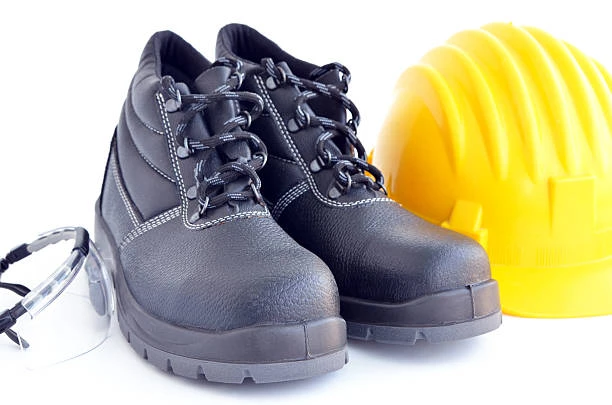
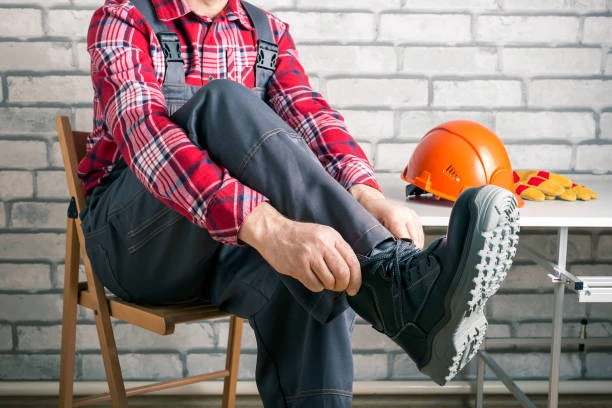
Construction sites are inherently hazardous environments. Workers navigate uneven terrain, wet surfaces, debris, and heavy machinery daily. In such high-risk conditions, footwear plays a pivotal role in ensuring safety and productivity. Among the many features of construction boots, slip-resistant soles stand out as a critical component that can prevent injuries, improve stability, and enhance overall performance on the job.
The Risks of Slipping on Construction Sites
Slips, trips, and falls are some of the most common causes of injuries on construction sites. According to occupational safety statistics, falls account for a significant portion of workplace accidents. Wet surfaces, loose gravel, spilled liquids, mud, and scattered tools all contribute to unstable footing.
Even a minor slip can lead to serious injuries such as:
- Sprains and strains
- Fractures or broken bones
- Head injuries from falls
- Long-term musculoskeletal problems
Construction workers often carry heavy loads or operate machinery, which increases the risk and severity of falls. Slip-resistant soles in boots act as the first line of defense, providing traction that prevents these accidents before they happen.
How Slip-Resistant Soles Work
Slip-resistant soles are engineered to maximize grip on a variety of surfaces, reducing the likelihood of slips and falls. The design involves several key elements:
1. Tread Pattern
The sole’s tread is designed to channel water, mud, and debris away from the contact surface, maintaining a stable grip. Deep grooves and multi-directional patterns enhance traction on both wet and dry surfaces. Self-cleaning treads are particularly effective in preventing mud from clogging the sole.
2. Rubber Composition
High-quality slip-resistant soles use specialized rubber compounds that remain flexible in different temperatures and maintain friction on slippery surfaces. Softer rubber compounds can grip smooth surfaces better, while harder compounds resist wear and tear in abrasive environments.
3. Oil and Chemical Resistance
Construction sites often expose workers to oils, chemicals, and other slippery substances. Slip-resistant soles are frequently formulated to withstand these contaminants, maintaining traction even when the surface is coated in liquids that would make ordinary boots hazardous.
4. Sole Design Integration
Slip-resistant features are often integrated with other safety designs, such as anti-fatigue midsoles and reinforced heels. This combination improves overall comfort and stability, reducing foot strain and maintaining grip during long workdays.
Benefits of Slip-Resistant Construction Boots
1. Enhanced Safety
The most obvious benefit is injury prevention. By providing superior traction, slip-resistant soles significantly reduce the risk of slips and falls. This is particularly critical in environments with water, mud, grease, or loose gravel.
2. Increased Confidence and Productivity
Workers who feel secure on their feet can move more confidently, lift heavy objects safely, and maintain focus on their tasks. Slip-resistant soles reduce hesitation, allowing for smoother workflow and higher productivity on site.
3. Durability and Longevity
Quality slip-resistant soles are built to endure rough terrain, abrasives, and repeated exposure to moisture and chemicals. This durability not only protects the worker but also extends the lifespan of the boots, making them a cost-effective investment.
4. Compliance with Safety Regulations
Many industries, including construction, adhere to strict occupational health and safety standards. Wearing slip-resistant boots can help companies comply with local and international safety regulations, reducing liability and ensuring a safer workplace for employees.
Who Benefits Most from Slip-Resistant Soles?
While slip-resistant soles are beneficial for all construction workers, certain roles and conditions make them particularly essential:
- Concrete workers handling wet surfaces
- Electricians and plumbers navigating wet areas or oily floors
- Roofers and scaffolders working at heights where a slip could be fatal
- Landscapers and groundskeepers operating in mud and loose soil
- General laborers exposed to mixed surfaces and unpredictable terrain
Even in indoor construction environments, floors can become slippery due to spills or dust, making slip-resistant footwear an essential safety measure.
Additional Features to Consider in Slip-Resistant Construction Boots
To maximize safety and comfort, slip-resistant boots often incorporate additional features:
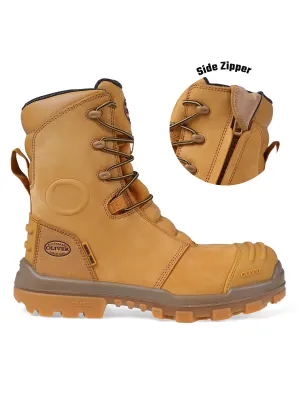
1. Steel or Composite Toe Caps
Protecting against falling objects is crucial in construction. Toe caps combined with slip-resistant soles offer full-foot protection without compromising traction.
2. Puncture-Resistant Midsoles
Working around nails, metal scraps, and sharp debris is common. A puncture-resistant midsole adds another layer of protection while maintaining grip.
3. Waterproofing
Wet surfaces are slippery, but they can also cause discomfort or health issues if your feet stay wet. Waterproof boots with slip-resistant soles keep feet dry while maintaining traction.
4. Comfort and Support
Slip-resistant boots often include cushioned insoles, arch support, and ergonomic designs. Comfortable boots reduce fatigue, which can indirectly reduce slips caused by tiredness or missteps.
5. Heat and Cold Resistance
Rubber compounds used in slip-resistant soles can be designed to perform in extreme temperatures. Whether working in scorching summer conditions or freezing winter environments, traction remains consistent.
Maintaining Slip-Resistant Soles for Optimal Performance
Even the best boots lose traction if not properly maintained. Here are some tips:
- Clean the soles regularly to remove mud, oil, and debris
- Inspect for wear and tear—worn-out soles should be replaced promptly
- Avoid harsh chemicals that can degrade rubber compounds
- Rotate boots if possible, giving them time to dry and recover between shifts
Proper maintenance ensures your boots retain their slip-resistant properties and prolongs their service life.
Conclusion
In the demanding and unpredictable world of construction, slip-resistant soles are not a luxury—they are a necessity. They provide critical safety by reducing slips, trips, and falls, improve confidence and productivity, and comply with workplace safety standards. When paired with other protective features like toe caps, puncture-resistant midsoles, and waterproofing, slip-resistant construction boots form a comprehensive defense for workers’ feet.
Choosing high-quality boots with well-designed slip-resistant soles is an investment in safety, comfort, and long-term productivity. For anyone regularly navigating wet, muddy, or hazardous surfaces, these boots are more than just footwear—they are an essential tool for staying safe on the job.


























Sign in to leave a comment.