
In the realm of modern dentistry, dental implants have revolutionized the way we approach tooth loss and oral health restoration. What was once a challenge with limited solutions has now become a well-established procedure with remarkable success rates. Behind this advancement lies a fascinating blend of science, engineering, and medical expertise that has transformed countless smiles and improved lives.
Let's take a closer look at the science behind Louisville dental implants!
Understanding the Basics
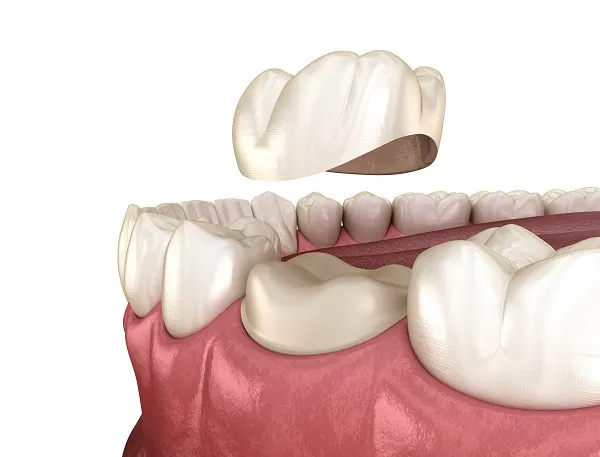
Dental implants are not merely artificial teeth; they are sophisticated structures designed to mimic the natural tooth-root system. Comprising three essential components - the implant itself, the abutment, and the crown - this dental marvel is rooted in a deep understanding of biomechanics and osseointegration, a term that refers to the fusion of the implant with the jawbone.
The Osseointegration Phenomenon
Osseointegration is at the core of the success of dental implants. This process involves the integration of the implant's titanium surface with the living bone tissue. Titanium's remarkable biocompatibility and ability to form a strong bond with bone make it an ideal choice for this purpose. The implant is surgically placed into the jawbone, and over time, the bone grows around the implant, anchoring it securely in place. This not only provides stability but also prevents bone loss in the area, which is a common occurrence after tooth loss.
Implant Design and Material
The design and material of dental implants play a pivotal role in their effectiveness. Implants can vary in shape, ranging from cylindrical and tapered to screw-like. The choice of design depends on factors such as the location of the implant and the quality of the patient's jawbone. Additionally, modern research continues to explore new implant materials and coatings that might further enhance osseointegration and durability.
The Role of Gum Tissue
While the implant itself replaces the tooth root, the visible part of the tooth is replicated by the crown. However, in between lies the often-underestimated abutment, which serves as a connector between the implant and the crown. This small piece plays a significant role in maintaining the health of the gum tissue surrounding the implant. It ensures a proper seal that prevents bacterial infiltration, reducing the risk of infection and supporting the long-term success of the implant.
Digital Dentistry and Implant Planning
Advancements in digital dentistry have significantly contributed to the precision of implant placement. Cone beam computed tomography (CBCT) scans allow for detailed 3D imaging of the oral structures, enabling Louisville dentist to plan the implant procedure with unparalleled accuracy. This technology aids in determining the optimal implant size, location, and angulation, tailored to each patient's unique anatomy.
Success Rates and Ongoing Research
Dental implants has come a long way, and today, they boast an impressive success rate of around 95%. However, ongoing research aims to push the boundaries further. Scientists are exploring new ways to expedite osseointegration, improve the implant-bone interface, and develop innovative materials. This research not only focuses on the biological aspect but also delves into the psychological and emotional impact of tooth loss and its restoration.
The Psychological Impact
Beyond the biological marvel, dental implants have a profound psychological impact on individuals. The loss of a tooth can lead to a lack of self-confidence and even social withdrawal. Dental implants restore not only the physical aspect of a smile but also the emotional well-being of a person, enhancing their quality of life.
The science behind dental implants is a harmonious blend of material science, biomechanics, and clinical expertise. The success of this remarkable dental solution lies in its ability to mimic nature's design and integrate seamlessly into the human body. With the continued advancement of technology and research, dental implants are set to become even more efficient, accessible, and life-changing, solidifying their position as one of the greatest achievements in modern dentistry.




























Sign in to leave a comment.