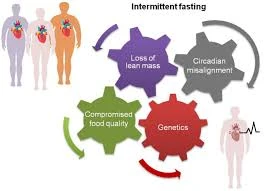

Intermittent fasting (IF) has gained significant attention in recent years, and I’ve been exploring it myself to understand how it impacts health. Many people, including those interested in wellness and lifestyle habits, are curious about its benefits, and I wanted to dive into the science behind it.
Intermittent fasting isn’t about eating less but rather about when you eat. The goal is to create periods of eating and fasting that can trigger specific physiological changes in the body. As someone who enjoys trying different wellness approaches, I’ve found this method fascinating, especially when it’s paired with balanced nutrition and healthy lifestyle choices.
Understanding Intermittent Fasting
What Is Intermittent Fasting?
Intermittent fasting is a dietary approach where you cycle between periods of eating and fasting. There are several popular methods:
- 16/8 method: Fast for 16 hours and eat during an 8-hour window.
- 5:2 method: Eat normally five days a week and consume a very low-calorie diet on two non-consecutive days.
- Alternate-day fasting: Alternate between normal eating days and fasting days.
The idea behind intermittent fasting is that extended periods without food allow your body to focus on repair, hormone regulation, and cellular maintenance rather than constant digestion.
How Intermittent Fasting Works
During fasting, the body undergoes several biological processes:
- Insulin levels drop: Lower insulin allows your body to access stored fat for energy.
- Human Growth Hormone increases: This can aid muscle growth, fat loss, and overall metabolic function.
- Cellular repair processes: Fasting triggers autophagy, a process where cells remove damaged components.
These mechanisms provide a natural boost to energy regulation and metabolism without requiring extreme dietary changes.
Health Benefits of Intermittent Fasting
From my experience and research, intermittent fasting offers multiple benefits, including:
- Weight management: Helps the body use fat efficiently while preserving muscle mass.
- Metabolic health: Can improve insulin sensitivity and blood sugar control.
- Heart health: Studies suggest intermittent fasting may reduce markers associated with cardiovascular risk.
- Brain function: Some research shows fasting may enhance cognitive function and protect against neurodegenerative diseases.
- Longevity: Animal studies indicate that intermittent fasting could contribute to a longer lifespan.
It’s worth noting that these benefits are often amplified when combined with a balanced diet and healthy lifestyle.
Integrating Intermittent Fasting into Daily Life
Tips for Beginners
If you’re new to intermittent fasting, I recommend starting gradually:
- Begin with a 12-hour fasting window and gradually increase it.
- Stay hydrated by drinking water, herbal teas, or black coffee during fasting periods.
- Maintain balanced meals with adequate protein, fiber, and healthy fats.
- Avoid processed foods and high sugar intake during eating windows to maximize benefits.
From my personal routine, I’ve noticed that fasting can actually simplify meal planning, reduce cravings, and create a more structured approach to eating.
Social and Lifestyle Considerations
Intermittent fasting doesn’t have to be rigid. I’ve found that adjusting my fasting schedule around social events, work, and exercise makes it sustainable:
- Plan your fasting periods around work or school hours.
- Incorporate workouts during eating windows for optimal energy.
- Be flexible—intermittent fasting is a lifestyle, not a strict rule.
Science-Backed Insights
Hormonal Impact
Fasting influences several key hormones:
- Insulin: Fasting reduces insulin, supporting fat breakdown.
- Leptin and ghrelin: Regulate hunger and satiety signals, helping with appetite control.
- Cortisol: Moderate levels support energy and alertness during fasting.
These changes explain why many people, including myself, feel more energetic and focused during fasting periods.
Cellular Benefits
Autophagy, the cellular “clean-up” process, is triggered during fasting. This helps remove damaged cells and supports tissue repair. Over time, this can promote healthier aging and improved overall wellness.
Intermittent Fasting and Personal Lifestyle
I’ve integrated intermittent fasting into my routine gradually, and it complements my other wellness habits. For instance, while I enjoy trying different vaping products in my leisure time, I make sure they don’t interfere with my health-focused routines. It’s about finding a balance that works for your body and lifestyle.
In addition, while exploring wellness communities, I noticed many people sharing experiences about different products and routines. One interesting discovery was fake mr fog, a discussion topic in forums highlighting authenticity and safety in lifestyle products.
By paying attention to nutrition, hydration, and quality choices, intermittent fasting can fit seamlessly into a balanced routine. I also enjoy connecting with communities to learn about unique flavors and experiences, like mr fog strawberry watermelon kiwi ice, which provides a refreshing break while maintaining healthy habits.
Final Thoughts
Intermittent fasting is more than a trend; it’s a lifestyle choice supported by scientific research. With the right approach, it can enhance metabolic health, support weight management, and improve overall wellness. From my personal experience, consistency and balance are key.
Finally, for those exploring different experiences while maintaining health, products like mr fog fury can complement leisure routines without compromising wellness. I’ve found that combining mindful habits with occasional enjoyable experiences creates a sustainable approach to health.


























Sign in to leave a comment.