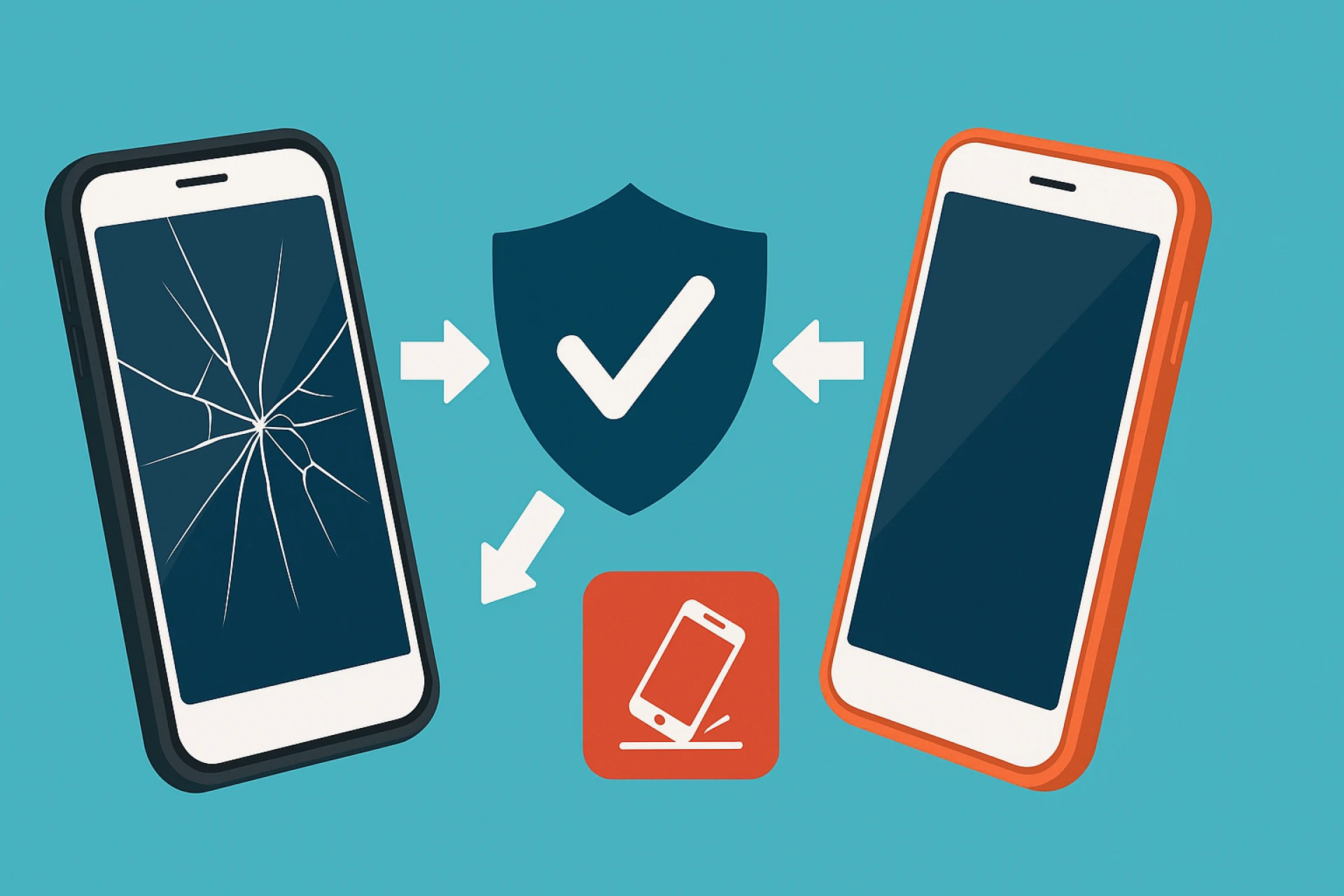

The loss of a phone from your fingers triggers a particular kind of anxiety that is a silent, helpless moment that occurs before it hits the ground. Modern smartphones are durable, gorgeous, stunning, and delicate enough that a single accident could cost far more money than an entire weekend getaway. This is why the market for protection for phone cases has increased in recent years; however, what amount of protection do you really require? And what do the scientific studies suggest about it?
This guide explains the materials, physics design, and actual testing of impact on phone cases, so that you can pick the best protection for your needs instead of figuring it out from afar.
Why Phones Break: The Real Physics of a Drop
When your smartphone hits the floor, it does not fall apart due to the height. It breaks due to the transfer of energy.
- A falling phone creates kinetic energy.
- The energy must have somewhere to be when it arrives.
- If vulnerable parts like screen corners, camera lenses, or internal solder joints absorb the energy, damage occurs.
The purpose of a phone case is easy: absorb, disperse the energy prior to it reaching the parts that are sensitive.
This is the reason even small cases are able to prevent cracks, even if bulky cases can fail. It's less about the size and more about the engineering.
The Trio of Protection: Drop, Shock & Impact
The majority of protective cases concentrate on three types of damages:
1. Impact Force
The problem occurs when the phone strikes a hard surface. It is common for corners to take the hit first, which is the reason cracked screens usually begin at the edge.
2. Shock Waves
After an impact, vibrations are transmitted across the telephone. They can cause internal components to loosen or reduce soldered connections over time.
3. Micro-Damage
Although the phone may appear perfect, tiny internal fractures could reduce the durability of the phone over time. The best cases can reduce the amount of damage.
The Materials That Actually Protect Your Phone
Not all materials for cases are created to be the same. Some are beautiful, but provide little security. Some are designed specifically to absorb energy.
Silicone & TPU (Thermoplastic Polyurethane)
The most widely used materials are flexible, grippy, and extremely shock-absorbing.
What they do:
- Their flexibility lets them expand upon the impact.
- They distribute shock evenly to prevent force from transferring through the phone.
Polycarbonate (PC)
A tough, rigid plastic that is often used in hybrid cases.
Strengths:
- Resistant to scratches
- Excellent at dispersing energy
- Best when used in conjunction with a soft inner layer
TPE & EVA Foams
They are used in the top design that absorbs shock. The materials are compressed upon impact, similar to the foam used in athletic shoes.
Air-Cushion & Corner Impact Technology
Many brands include hollow corners, also known as air pockets. These are like crumple zones on cars, absorbing maximum energy in the areas where drops typically are.
MagSafe & Magnetic Layers
Magnetic rings aren't a security feature by themselves; however, when they are embedded properly, they do not compromise the ability to absorb shock. The top-quality MagSafe cases make sure that magnets sit over flexible layers and do not take them away.
How Protective Case Design Reduces Damage
Even the best materials won't make a difference if the design isn't good enough. A well-engineered case will always include the following elements:
Raised Bezels
- Guard the lens of the camera from direct contact.
- Make sure the display is secure when it is placed face down.
Reinforced Corners
Because corners touch with the floor first, in approximately 80 percent of accidents involving falls and falls, reinforcement is vital.
Dual-Layer Construction
The soft inner shell absorbs shock, while a hard exterior shell disperses the shock.
Grippy Texture
The majority of drops occur due to slippery surfaces. Matte and texturized TPU significantly minimizes slip-related accidents.
Precise Fit
A sloppy or unbalanced case lets shock flow through without filtering, which is like wearing a helmet that is two sizes too large.
How Much Protection Do You Actually Need?
The level of protection you need depends on the way -- and where you make use of your phone. Different lifestyles require different armor.
1. Everyday Users (Minimal Risk)
If you usually make use of your phone inside or at work:
- Slim TPU cases
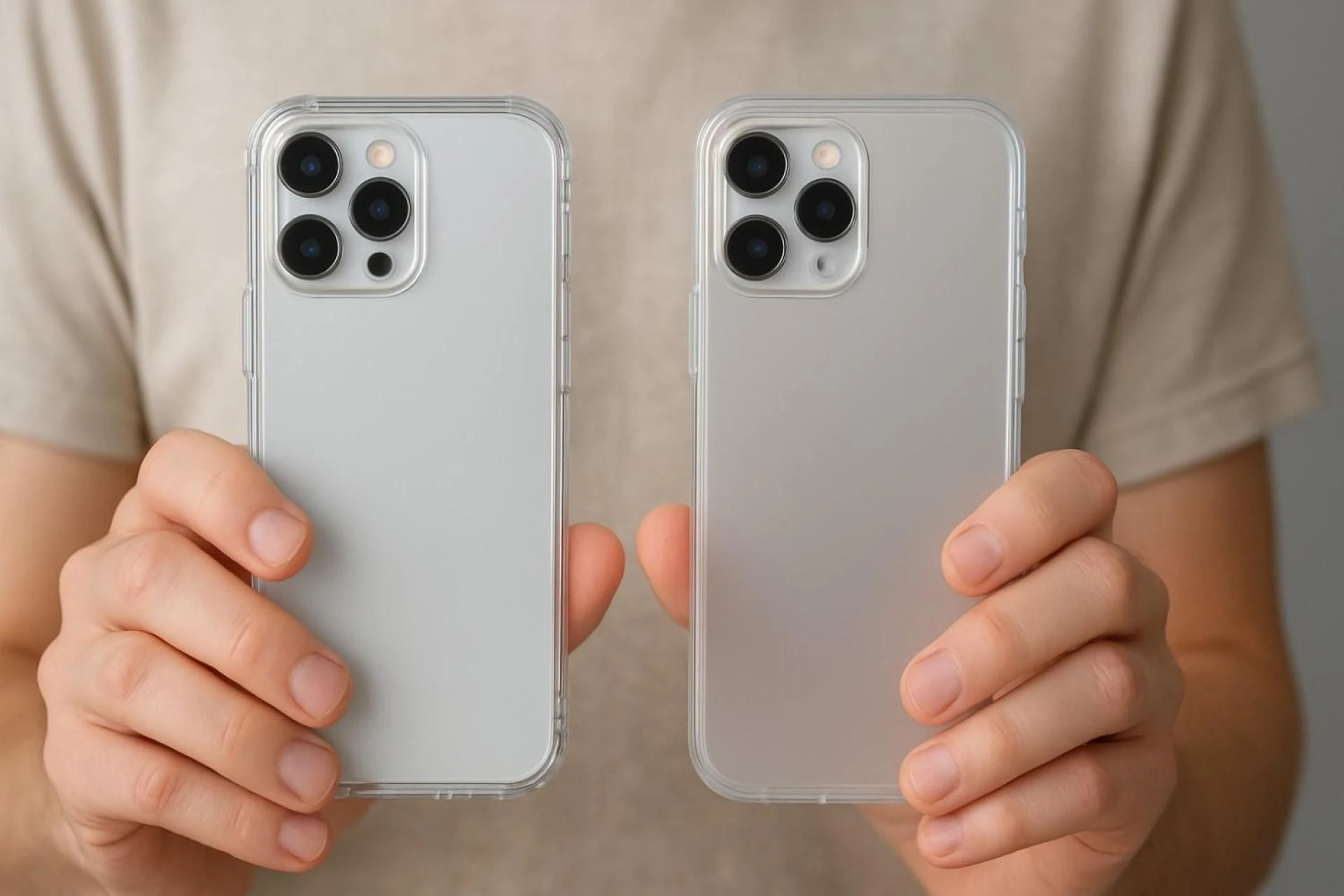
- MagSafe transparent covers
- Soft silicone skin-style cases
Protection required: Modest (up to 6 feet fall)
Best for those who want design, grip, and lightweight everyday use.
2. Travelers, Students & Outdoor Users
Your smartphone can see a variety of unpredictability, such as pavements, bags, or crowded spaces.
- Hybrid TPU cases with PC
- Air-cushion corner cases
- Cases that are shockproof and rugged
Protection required. The drop is high (8-10 feet)
Perfect equilibrium between durability and aesthetics.
3. Heavy-Duty Users (High Risk)
Work in construction, sports that require adventure, or even chronic phone-droppers.
- Dual-layer protection that is tough and durable
- Military-grade drop-tested cases
- Thick bumper frames
Protection required is very high (12+ feet fall)
Sacrifices thinness to provide maximum security.
Does Military-Grade Drop Protection Actually Matter?
The well-known "MIL-STD-810G" label is tossed around quite a bit. While actual laboratory tests exist, many companies use the label as a loose reference.
However, if it is done correctly, it indicates that the case has withstood multiple drops of about 4 to 6 feet across different surfaces.
This certification isn't necessary to use in everyday life; however, it's helpful for those who need to know the durability of their product.
The Hidden Factors That Make or Break Case Protection
The Fit
A protective case that is fitted poorly is ineffective. The shock can enter the body, while dust, grit, or dirt may cause damage to the body.
Case Aging
TPU turns yellow as time passes, silicone is able to stretch, and hard plastics can develop micro-cracks. Good quality materials are less prone to aging and are a primary reason why prices differ.
Wireless Charging Compatibility
The wrongly designed magnetic rings, or plates made of metal, can cause problems in shock absorption. The best MagSafe cases provide flexibility underneath the magnet.
Screen Protectors Matter Too
A case with tempered glass combination provides far greater protection than either of them on their own. They work in a combination:
- The case absorbs shock
- Glass protects against breaking.
So, How Much Safety Do You Really Need?
enough to safeguard yourself from your surroundings, your habits, as well as your daily dangers.
The majority of people don't require the bulky, tough case. A well-constructed, impact-resistant, or shockproof case is enough and should include high-quality bezels, reinforced corners, and a flexible layer of TPU.
But if you find your phone constantly in a state of flux -or if you've broken one screen in the past yearswitching to a better-protection case is a wise investment.
Final Thoughts: Your Phone Deserves the Right Armor
A good phone case isn't merely a fashion statement. It's engineering, physics, and everyday functionality all rolled into one. The right security level keeps your phone secure without adding unnecessary weight.
If you're looking to upgrade your protection to more advanced that's slim, fashionable and built to withstand real-world drops, take a look at the latest range of high-end cases from Coverarts to discover the perfect design to fit both your phone and daily life.

























Sign in to leave a comment.