
Let’s just say it straight. Not all whitening is the same. You can grab a box from the drugstore, slap on some strips, and hope for the best. Sometimes it works a little. Sometimes it barely moves the needle. And sometimes it just makes your teeth hurt.
A real teeth bleaching dentist doesn’t guess. There’s actual science behind what we do. The gels used in professional dental care are stronger, yes, but that’s not the whole story. It’s about control. Controlled strength. Controlled timing. Controlled protection for your gums and enamel. That’s where the difference shows up.
When patients walk into a dentist in Burbank asking why their whitening strips didn’t work, the answer is usually simple. The chemistry wasn’t strong enough to break down deeper stains. Surface stains? Maybe. Coffee, wine, some smoking discoloration. But years of buildup? That takes more than a strip and a prayer.
What’s Actually Happening Inside Your Teeth
Here’s the part most people don’t know. Whitening isn’t about scrubbing stains off. It’s a chemical reaction.
Professional whitening gels usually contain hydrogen peroxide or carbamide peroxide. These molecules break down into oxygen radicals. Sounds intense, I know. But that oxygen is what penetrates the enamel and reaches the dentin underneath. That’s where a lot of discoloration hides.
A teeth bleaching dentist understands how deep those stains go. Some stains are extrinsic. On the surface. Easy. Others are intrinsic, embedded inside the tooth structure. That’s when you need higher concentrations and proper application. Otherwise, you’re just lightening the outside while the inside stays dull.
And no, whitening doesn’t shave your teeth down. It doesn’t “bleach” them like laundry. It oxidizes stain molecules so they reflect light differently. That’s the science. Pretty simple once you strip away the marketing.

Why Strength Matters (But So Does Safety)
I hear this a lot. “If stronger is better, why not just buy the strongest gel online?”
Because your gums matter. Your enamel matters. Your nerves definitely matter.
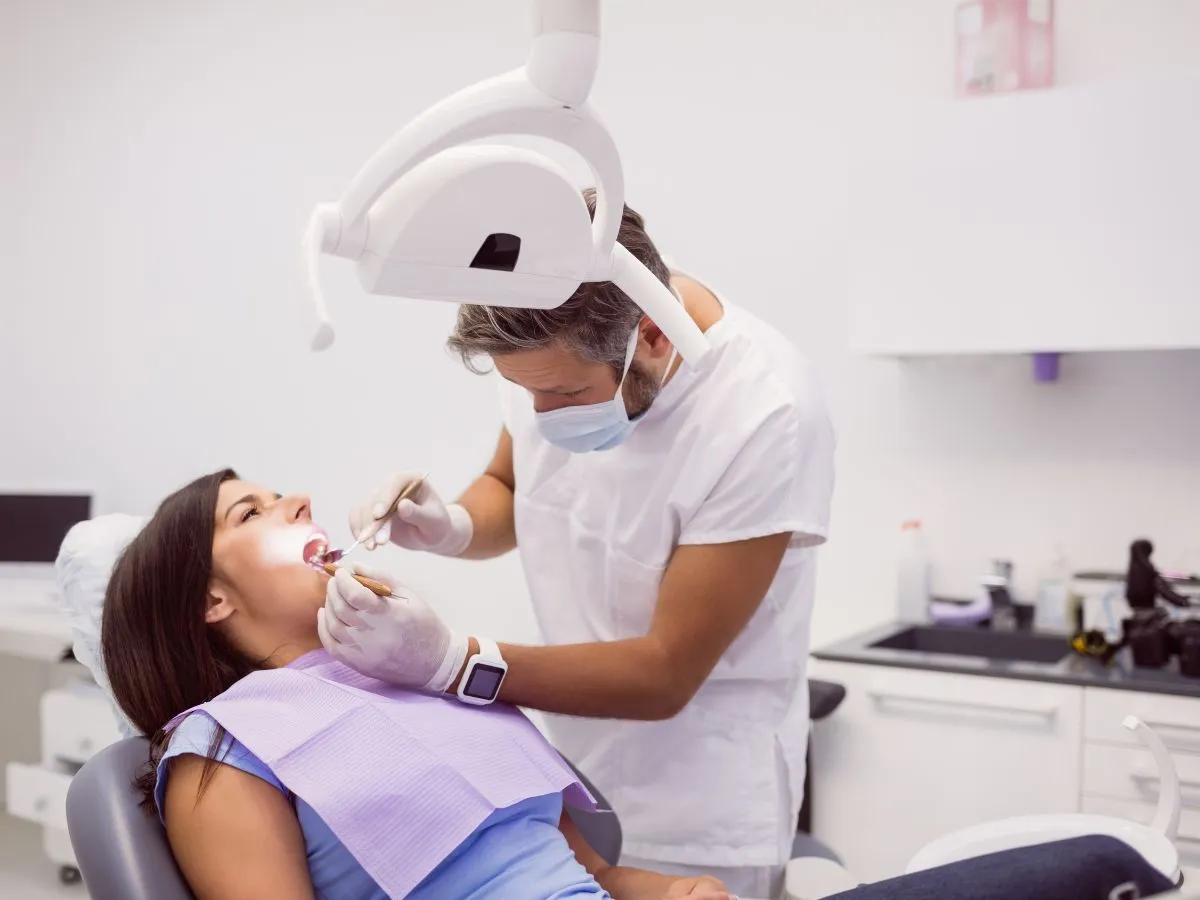
A trained teeth bleaching dentist isolates your gums before applying whitening gel. That barrier is there for a reason. High-concentration peroxide can irritate soft tissue fast. In a dental office, we protect everything that shouldn’t be exposed. That’s not something you can easily do in your bathroom mirror.
A good dentist in Burbank will also check for cavities, gum recession, or cracked fillings before whitening. If you skip that step, you could end up with serious sensitivity. Whitening over untreated dental issues? Not smart.
Dentistry isn’t just about brighter smiles. It’s about doing it safely.
The Role of Light and Activation Technology
Some professional whitening systems use LED or specialized lights. And no, it’s not just for show.
The light can accelerate the breakdown of peroxide molecules. That means faster oxygen release and quicker results. But here’s the honest truth. The gel does most of the heavy lifting. The light enhances it. It’s not magic. It’s chemistry plus activation.
A teeth bleaching dentist knows how long to leave the gel on. Too short, weak results. Too long, unnecessary irritation. Timing matters. Temperature matters. Even how dehydrated your teeth are during treatment can affect the immediate shade.
That’s why your teeth sometimes look extra white right after treatment. They rehydrate over the next day or two and settle into their true shade. A family dentist will usually explain that upfront so you’re not surprised.
Why Professional Whitening Lasts Longer
People always ask, “How long will it last?”
Depends on you, honestly. Coffee habits. Smoking. Red wine. All the usual suspects. But professionally done whitening tends to last longer because the bleaching penetrates deeper.
Over-the-counter kits mostly treat the surface. A teeth bleaching dentist reaches deeper layers. That means the results aren’t just temporary surface brightening. It’s more comprehensive.
Good dental care also plays a role. Regular cleanings. Smart brushing. Occasional touch-ups. Dentistry isn’t one-and-done. It’s maintenance.
And when you work with a dentist in Burbank who knows your dental history, they can recommend the right touch-up schedule instead of guessing.
Sensitivity: Why It Happens and How We Manage It
Let’s talk about the part nobody likes. Sensitivity.
Whitening temporarily opens up microscopic pores in your enamel. That allows peroxide to travel inside. But it also allows temperature changes to hit the nerves a bit more directly. That’s why cold water can feel sharper for a day or two.
A professional teeth bleaching dentist adjusts gel strength based on your history. If you’ve had sensitive teeth before, they’ll plan for it. Sometimes they’ll use desensitizing agents before or after treatment. Sometimes they space treatments out.
Over-the-counter kits don’t customize anything. It’s one-size-fits-all. And teeth aren’t one-size-fits-all.
Good dental services take your comfort seriously. Because there’s no point in a white smile if you can’t enjoy ice cream.
Whitening Isn’t for Everyone
Here’s something people don’t expect to hear. Not every stain responds to whitening.
Tetracycline stains. Certain trauma-related discoloration. Old dental restorations. Whitening gel doesn’t change the color of crowns or fillings. A teeth bleaching dentist will tell you that upfront.
Sometimes cosmetic dentistry options like veneers or bonding make more sense. That’s part of being honest. A trustworthy dentist in Burbank won’t promise unrealistic results just to sell a treatment.
Real dental care starts with evaluation. Then a plan. Not the other way around.
The Bigger Picture: It’s Still Dentistry
At the end of the day, whitening is cosmetic. But it still falls under proper dentistry. Which means diagnostics, safety, and professional oversight.
When you see a teeth bleaching dentist, you’re not just paying for gel. You’re paying for experience. For understanding enamel thickness. Gum health. Bite alignment. All the stuff that affects long-term outcomes.
And yeah, it costs more than strips. But it also works better. And safer. That matters.
If you’re considering whitening, talk to a dentist in Burbank who does this regularly. Ask questions. Understand the science. Don’t just chase the brightest shade possible. Chase healthy results.
Because a bright smile is great. A healthy one is better.



























Sign in to leave a comment.