
What if a few pounds of air in your tires could make the difference between a smooth, efficient ride and a frustrating one filled with wasted energy and flat tires? For many cyclists, tire pressure often gets overlooked, yet it directly affects comfort, control, speed, and safety. Studies show that improper pressure not only slows riders down but also increases the likelihood of punctures and accidents.
This is where choosing the right bike and understanding how to maintain it matters. Bikesdirect offers one of the widest online selections of quality bicycles—including road bikes, gravel bikes, mountain bikes, fat bikes, hybrid bikes, and beach cruisers—at factory-direct prices. That means riders can find high-performance options without breaking the bank.
This article breaks down how tire pressure impacts performance, explains how to find the ideal PSI for different bikes, and covers how road conditions and rider weight factor into the equation.
Why Tire Pressure Matters More Than Most Riders Think
Tire pressure has a measurable effect on almost every aspect of cycling. The air inside a tire acts like a spring—it cushions the ride, keeps the tire in contact with the road, and influences rolling efficiency. Running tires too soft or too hard can create problems:
· Too low pressure: Tires flex excessively, increasing rolling resistance, making pedaling harder, and risking pinch flats.
· Too high pressure: The tire loses grip, the ride feels harsh, and the risk of impact punctures rises when hitting debris or potholes.
The right balance allows riders to move faster with less effort while also improving comfort and control.
How Tire Pressure Affects Rolling Resistance
Rolling resistance is the force that slows a wheel down as it rolls on a surface. Lowering it means better efficiency. Interestingly, higher pressure doesn’t always equal lower rolling resistance. On smooth pavement, a road bike with narrow tires may benefit from higher PSI. But on rough terrain, such as gravel or dirt trails, high pressure causes the wheel to bounce, wasting energy.
· Road cycling: Typically requires 80–120 PSI depending on tire width and rider weight.
· Gravel riding: Lower pressure around 35–60 PSI helps absorb uneven surfaces.
· Mountain biking: Even lower, usually 20–35 PSI, allows tires to grip trails better.
· Fat tires: Because they are so wide, they run well at 5–15 PSI for flotation and traction.
Each discipline benefits from a different range because the surface dictates how the tire interacts with the ground.
Comfort and Control: The Rider Experience
Comfort isn’t just about avoiding sore muscles. A tire with the right PSI absorbs shocks from cracks, gravel, or roots, reducing fatigue during longer rides. This allows cyclists to maintain control in varied conditions.
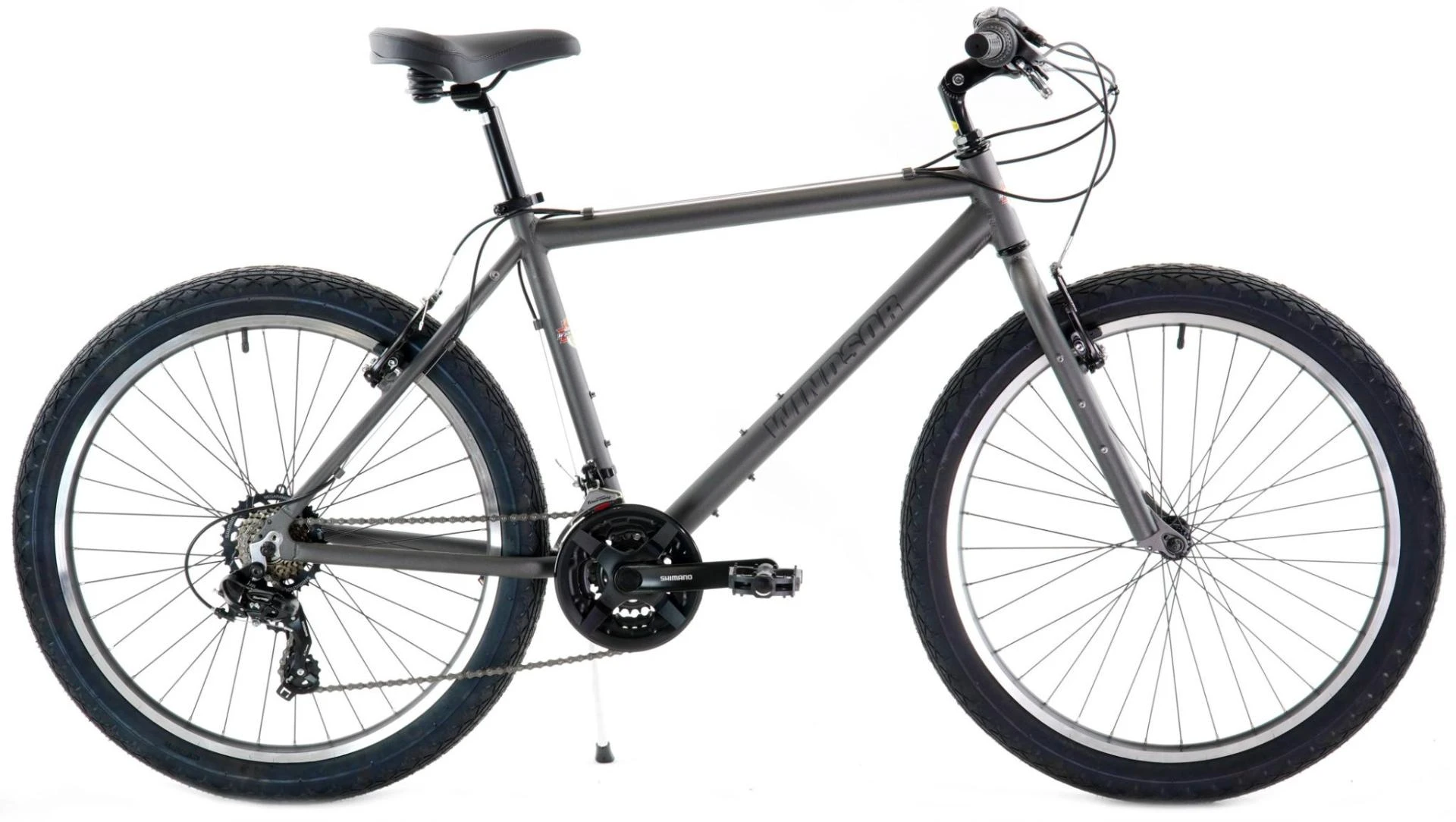
· A hybrid bicycle used for both city streets and light trails benefits from mid-range pressures (50–70 PSI), giving a good balance of speed and cushioning.
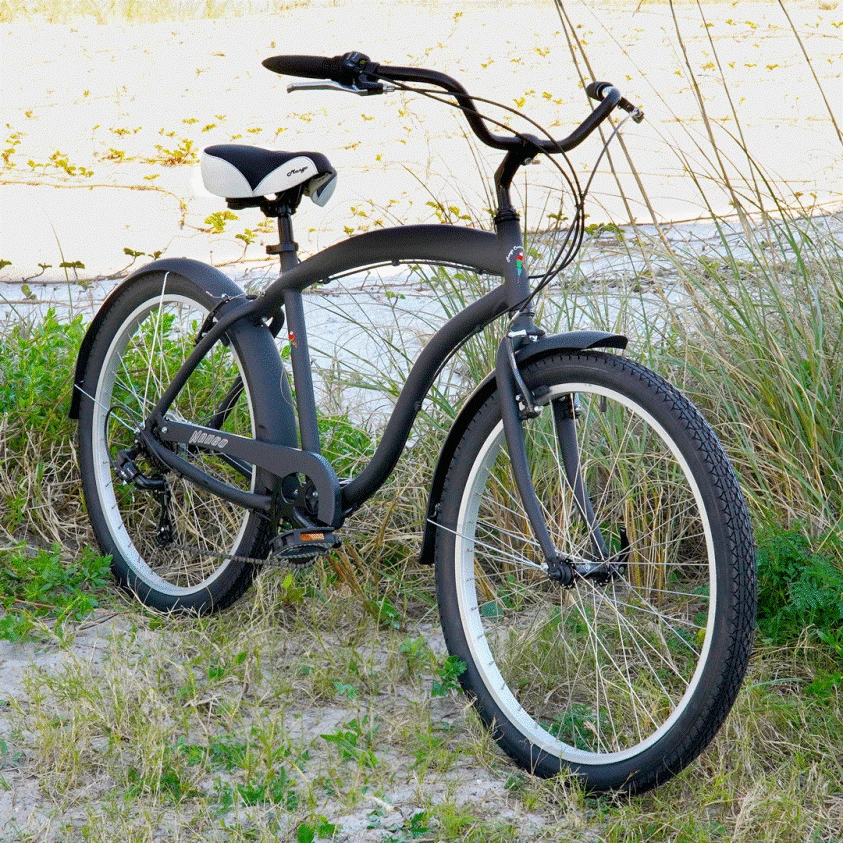
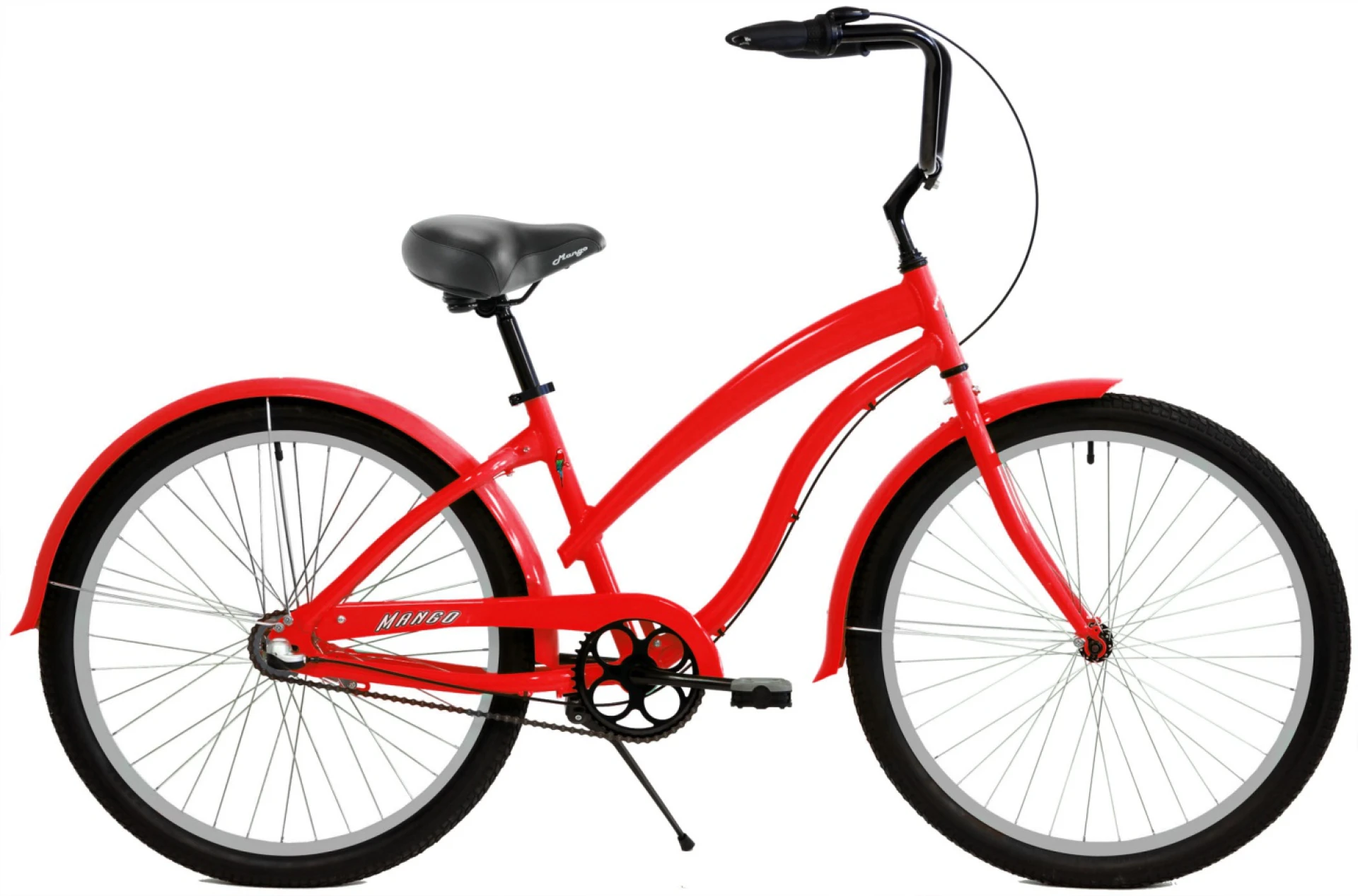
· A beach cruiser designed for casual rides at lower speeds typically runs on wider tires, so softer inflation ensures a smoother feel.
· A gravel or mountain bike with lower pressure helps riders stay stable over loose surfaces.
Proper air pressure essentially fine-tunes the connection between rider and road.
Factors That Influence the Ideal PSI
No single number fits every cyclist. The correct pressure depends on several factors:
· Rider Weight
Heavier riders compress tires more, meaning they often need higher PSI within the recommended range.
· Tire Width
Wider tires can run at lower pressures because the air volume supports more weight. Narrow tires require higher PSI.
· Surface Conditions
Smooth asphalt favors higher pressure; rough or soft terrain requires lower.
· Riding Style
Aggressive cornering or fast descents demand slightly firmer tires for stability. Casual rides can be softer for comfort.
Checking manufacturer recommendations printed on the tire sidewall is a smart starting point, then adjusting based on real-world performance.
Preventing Flats with the Right Tire Pressure
Flat tires remain one of the most common frustrations in cycling. While debris plays a role, incorrect air pressure is often the hidden cause.
· Underinflation leads to pinch flats—when the inner tube gets squeezed between the rim and the ground.
· Overinflation makes tires more vulnerable to punctures from sharp objects since the rubber stretches thin.
Maintaining pressure within the recommended range is one of the simplest ways to reduce these risks. Riders should check tire pressure at least once a week, or before every ride if possible.
Finding the Right Balance for Different Bikes
To summarize, here are common PSI ranges across popular bike types:
· Road bicycles: 80–120 PSI
· Gravel bikes: 35–60 PSI
· Mountain bikes: 20–35 PSI
· Fat tire bikes: 5–15 PSI
· Hybrid bicycles: 50–70 PSI
· Beach cruisers: 30–40 PSI
These ranges are guidelines. Every rider will fine-tune based on personal comfort, riding style, and road or trail conditions.
Can the Right Bike Help Optimize Performance?
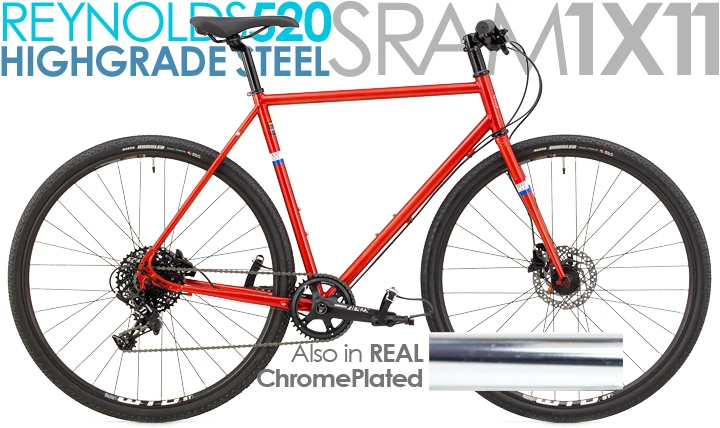
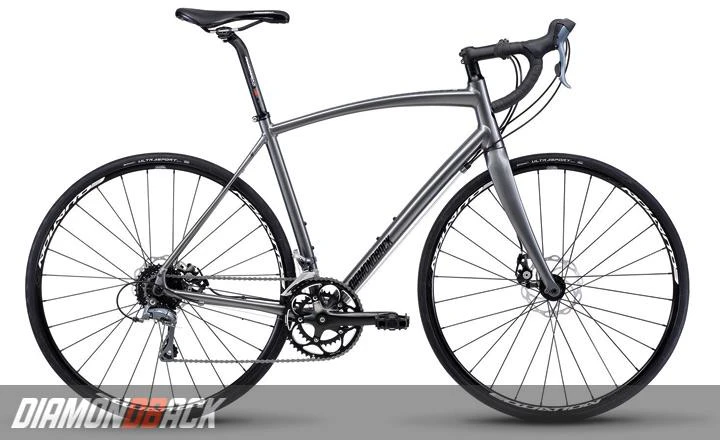
Choosing a bike that suits the rider’s typical conditions makes tire pressure management easier. For example, a road bicycle is built for smooth pavement and benefits from high-pressure tires, while a mountain bike is engineered to perform best with lower pressures on rugged terrain. Gravel bikes bridge both worlds with versatile tires that can adapt to mixed surfaces. A fat bike keeps riders rolling on snow or sand, while hybrids and beach cruisers prioritize comfort for everyday use.
Ready to Ride Smarter with the Right Setup?
When was the last time you checked your tire pressure before heading out on a ride? A few minutes with a pump and gauge can make a major difference in efficiency, comfort, and safety.
For riders seeking the right bike to match their performance goals, Bikesdirect is one of the leading online retailers for high-quality bicycles at factory-direct pricing. With options ranging from road and gravel bike to mountain, hybrid, fat tire, and beach cruiser models, they provide riders with access to reliable designs without the retail markup. Backed by thousands of satisfied cyclists, they stand out as a trusted source for anyone ready to improve their riding experience.
Contact Bikesdirect today to find a bicycle that fits your style of riding and learn how the right bike—combined with the right tire pressure—can make every ride more enjoyable and efficient.




























Sign in to leave a comment.