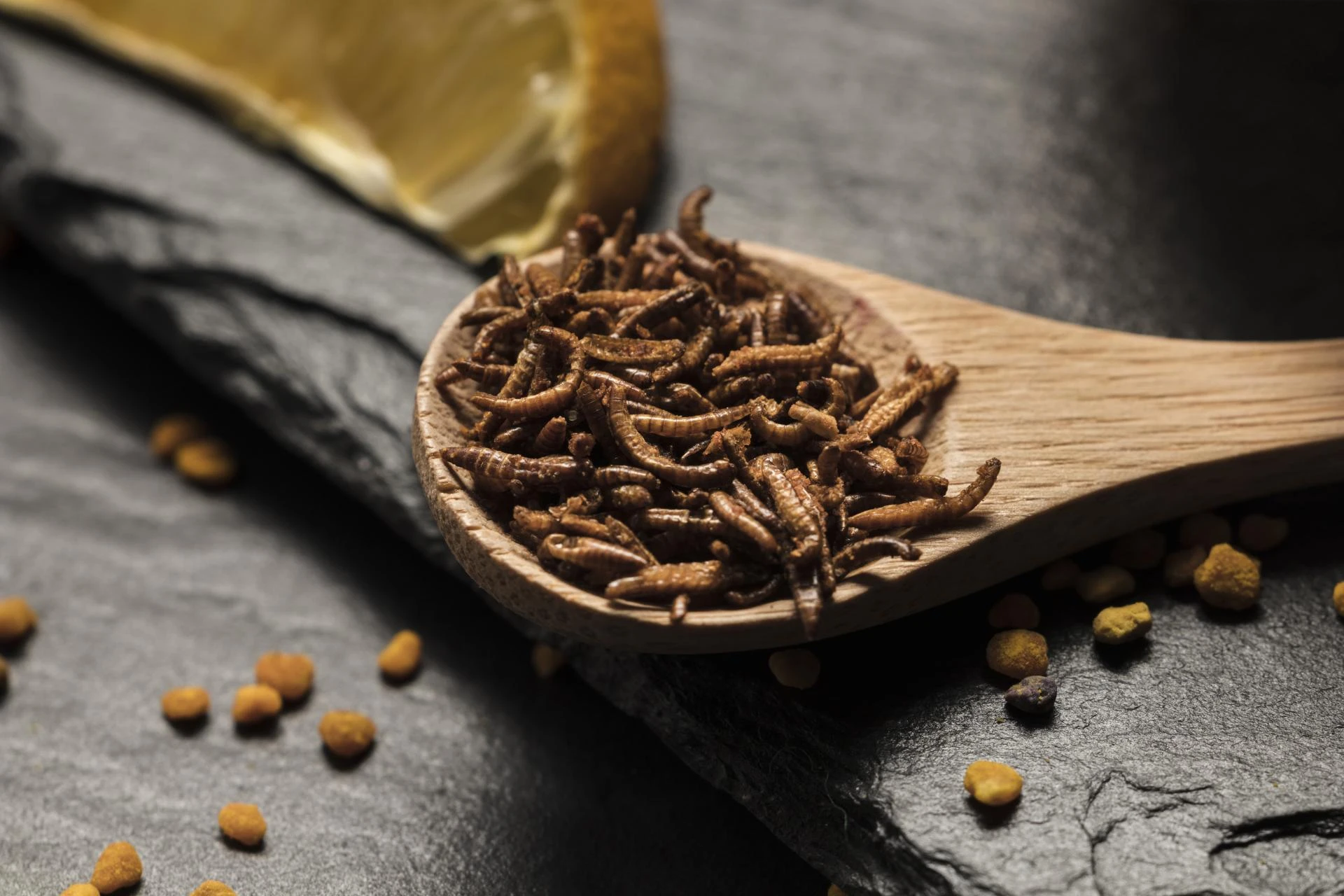

Feeding reptiles, birds, or amphibians isn’t just about keeping them full—it’s about delivering the right balance of nutrients to support their health, growth, and longevity. One of the most effective ways to maximize the nutritional value of feeder insects is through gut-loading, a method where insects are fed nutrient-rich foods before being given to pets. By combining this process with smart feeding tools like the Food Calculator for pet, owners can precisely tailor diets to their animal’s needs, ensuring every bite counts.
What Is Gut-Loading?
Gut-loading is the practice of feeding live insects a high-quality, nutrient-dense diet 24–48 hours before they are served to your pet. During this period, insects store these nutrients in their digestive systems, effectively becoming carriers of vitamins, minerals, and other essential compounds.
Without gut-loading, feeder insects can be surprisingly low in nutritional value, providing mostly protein but lacking calcium, vitamin A, and other vital micronutrients. Over time, pets fed on nutrient-poor diets may develop deficiencies that affect bone strength, immune health, and energy levels.
The Role of Calcium in Gut-Loading
Calcium is one of the most important minerals for reptiles, amphibians, and certain bird species. It supports skeletal development, egg production, and nerve function. A favorite feeder insect for calcium delivery is the calci worm, also known as the black soldier fly larva. Knowing the correct calci worm amount for pet is essential because too much or too little can disrupt nutritional balance.
Gut-loading calci worms with additional greens or fortified feeds can make them even more beneficial, providing a concentrated calcium source that’s easily absorbed by your pet’s body.
How Gut-Loading Works
The science behind gut-loading lies in bioaccumulation. When feeder insects consume nutrient-rich foods, those nutrients remain in their gut and tissues. By timing the feeding correctly, pet owners can ensure these nutrients are still present when the insect is eaten.
The process is straightforward:
- Select healthy, active feeder insects from a reputable source.
- Provide them with gut-loading foods—leafy greens, carrots, sweet potatoes, or specialized gut-load formulas.
- Keep them in optimal conditions for 24–48 hours before feeding them to your pet.
During this window, the insects’ nutritional content peaks, making them far more beneficial than non-gut-loaded counterparts.
The Value of Black Soldier Fly Larvae
Among the various feeder options, black soldier fly larvae (BSFL) have gained popularity for their impressive nutrient profile. One of the key black soldier fly larvae uses is as a natural calcium source, often containing a near-perfect calcium-to-phosphorus ratio. They’re also low in fat, easy to store, and less odorous than many other feeders.
While BSFL are already rich in nutrients, gut-loading them can further improve their vitamin and mineral content, making them an excellent addition to a varied diet plan.
Choosing the Right Feed for Gut-Loading
The choice of gut-loading diet determines the effectiveness of the process. Not all foods are equally beneficial—some, like spinach, contain oxalates that bind calcium and reduce its availability to your pet. Instead, opt for nutrient-dense, low-phosphorus options.
For instance, when preparing Black soldier fly larvae feed, you might include kale, mustard greens, squash, and fortified commercial gut-load mixes. This ensures the larvae are not only calcium-rich but also packed with other essential vitamins and antioxidants.
Matching Gut-Loaded Feeders to Your Pet
Different species have different nutritional priorities:
- Reptiles often require high calcium and moderate protein.
- Birds may benefit from higher fat and protein levels during breeding seasons.
- Amphibians need soft-bodied insects that are easy to digest but still nutritionally dense.
Identifying the Best feed for reptiles or other exotic pets means considering both the insect species and the quality of their gut-load diet. Variety also plays a key role—rotating between crickets, roaches, worms, and larvae ensures your pet gets a broad spectrum of nutrients.
Common Mistakes to Avoid in Gut-Loading
Even though gut-loading is simple, there are pitfalls that can reduce its effectiveness:
- Poor Timing – Waiting too long after gut-loading can cause insects to metabolize or expel nutrients.
- Low-Quality Insects – Unhealthy or stressed insects won’t store nutrients effectively.
- Improper Foods – High-phosphorus or anti-nutrient-rich foods can negate the benefits of gut-loading.
- Lack of Variety – Feeding only one type of insect limits the nutrient range.
Avoiding these mistakes helps ensure your pet gets the full benefit of the gut-loading process.
Why Gut-Loading Matters for Long-Term Health
Long-term studies in reptile and amphibian care have shown that properly gut-loaded feeders can significantly improve bone density, reproductive success, and immune function. Pets fed on nutrient-rich insects tend to be more active, maintain healthy weight, and recover faster from illness or injury.
Gut-loading also mimics a more natural feeding experience. In the wild, many feeder insects consume nutrient-rich plant matter before being eaten, passing those nutrients up the food chain. Replicating this process in captivity bridges the gap between natural diets and what’s available in a controlled environment.
Final Thoughts
Gut-loading is a powerful yet often underused technique in exotic pet care. By feeding your insects high-quality, nutrient-rich diets before offering them to your reptile, bird, or amphibian, you transform them into superfoods capable of supporting every aspect of your pet’s health.
Whether you rely on calci worms, crickets, or black soldier fly larvae, the right gut-load strategy, combined with accurate portion control and species-specific feeding plans, can make a dramatic difference in your pet’s vitality and longevity.
When done correctly, gut-loading turns every feeding into an opportunity to nourish, strengthen, and enrich your animal’s life.






























Sign in to leave a comment.