
Moving electronics can be one of the most stressful parts of relocating a home or office. Computers, televisions, gaming consoles, and other devices are delicate, expensive, and often contain sensitive information. Without proper care, these items can be easily damaged during packing, transportation, or unpacking. Following a few key strategies can help ensure that electronics arrive at their destination safely and ready for use.
1. Gather the Right Packing Materials
The first step in protecting electronics during a move is using high-quality packing materials. Essential items include:
- Sturdy boxes of various sizes, preferably those designed for electronics
- Bubble wrap, foam sheets, or packing peanuts
- Anti-static bags for sensitive components such as computer parts
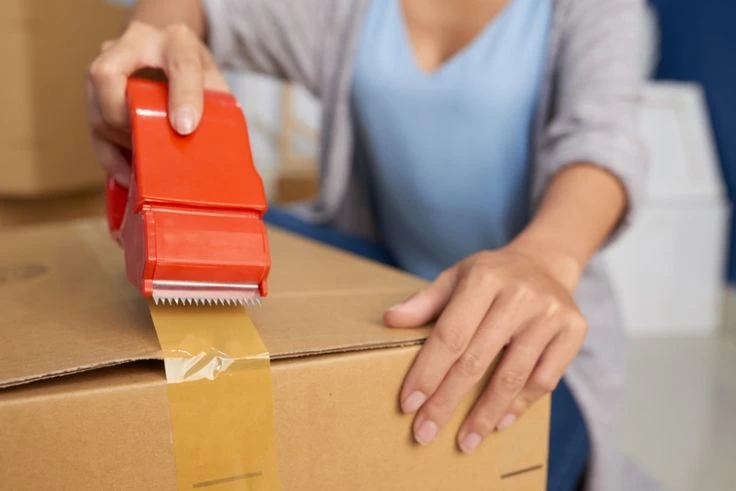
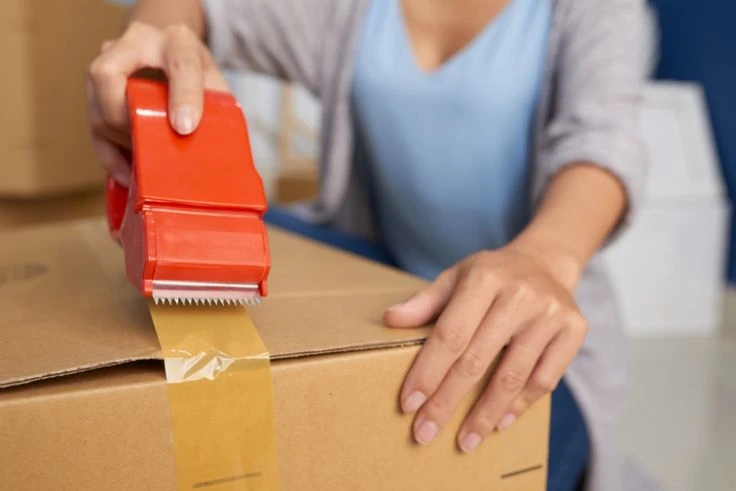
- Packing tape and markers for labeling
Using proper packing materials reduces the risk of scratches, cracks, or other damage. For devices with screens, extra cushioning is particularly important to prevent cracks.
2. Organize and Label Each Device
Before packing, organize all electronics and accessories. Group each device with its corresponding cords, remote controls, and other components. Small items such as chargers and cables can be placed in labeled plastic bags to avoid losing them.
Labeling boxes clearly is crucial. Include the contents and a note indicating which side is “up.” This ensures that professional packers and movers handle boxes correctly and minimize the risk of tipping or crushing delicate equipment.
3. Remove Batteries and Peripherals
Electronics often contain batteries or detachable components that could be damaged during transport. Remove batteries from devices to prevent leaks, and store them in separate labeled bags. Similarly, detach peripherals such as mouse devices, keyboard cables, and external hard drives, keeping them organized and packed securely.
4. Wrap Devices Properly
Wrapping electronics properly is key to preventing scratches, cracks, and internal damage. Start by covering the device in anti-static wrap or bubble wrap. For larger devices, such as televisions, consider placing a foam sheet on each side before putting it in the box. Ensure there is enough padding on all sides to absorb shocks during transportation.
Smaller devices like laptops, tablets, or gaming consoles can also be wrapped individually and placed snugly in boxes with extra cushioning. Avoid stacking heavy items on top of electronics, as this can cause permanent damage.
5. Use Original Packaging if Available
Whenever possible, use the original packaging provided by the manufacturer. These boxes are designed to protect the electronics with built-in padding and support. Original packaging can make moving easier and reduce the risk of damage. If original boxes are not available, invest in specialty boxes designed for specific electronics such as TVs, computers, or speakers.
6. Secure Devices During Transport
During the move, it is important to secure boxes so they do not shift or fall. Place electronics on a flat surface, and avoid leaving them loose in the back of a van or moving truck. If possible, use straps or padding to keep boxes in place. Fragile boxes should be placed on top of heavier boxes and away from high-traffic areas to reduce the chance of being bumped. Expert packers and movers know how to arrange boxes efficiently to prevent damage.
7. Handle with Care While Unpacking
Once at the destination, unpack electronics carefully. Check for any signs of damage before plugging devices in. Allow computers, televisions, and other equipment to reach room temperature before turning them on, especially if they were moved in extreme weather conditions. Carefully reconnect all peripherals and cords, making sure everything is organized and functional.
8. Consider Professional Assistance
For individuals or businesses with a large number of electronics, hiring packers and movers can be a wise decision. Experienced movers have the packing materials, expertise, and techniques to ensure delicate devices arrive safely. Professional services can also save time and reduce the stress associated with moving expensive electronics.
In summary, protecting electronics during a move requires careful planning, the right packing materials, and attention to detail. Using sturdy boxes, bubble wrap, and anti-static protection, labeling devices, and securing them properly during transport helps prevent damage. Hiring professional packers and movers can further ensure that electronics arrive safely, fully functional, and ready for use.



























Sign in to leave a comment.